PCOS and Fertility: Understanding Your Diagnosis and Your Options for Conceiving


Polycystic ovary syndrome (PCOS) is the most common hormonal disorder affecting women of reproductive age, impacting an estimated 8–13% of women worldwide — though many remain undiagnosed. It is also the leading cause of anovulatory infertility: infertility caused by irregular or absent ovulation.
A PCOS diagnosis can feel overwhelming, particularly when you're hoping to start or grow a family. But here's the essential truth: PCOS is one of the most treatable causes of infertility. With the right understanding and the right interventions, the majority of women with PCOS who want to conceive are able to do so — many without IVF.
This comprehensive guide explains what PCOS is, how it affects fertility, and the full range of evidence-based options available to help you conceive.
What Is PCOS? Understanding the Syndrome
PCOS is a complex hormonal and metabolic condition characterised by a combination of features. It's diagnosed using the Rotterdam criteria, which requires at least 2 of the following 3 features:
- Irregular or absent menstrual cycles (oligomenorrhoea or amenorrhoea)
- Clinical or biochemical signs of elevated androgens (excess testosterone) — such as acne, hirsutism (excess facial/body hair), or hair thinning
- Polycystic-appearing ovaries on ultrasound (multiple small follicles arranged around the ovarian periphery, giving a "string of pearls" appearance)
Not everyone with PCOS looks the same. Some women have obvious physical symptoms; others have almost none. Some are overweight; many are lean. Some have blood sugar dysregulation; others have normal insulin sensitivity. PCOS exists on a spectrum, and its presentation varies widely between individuals.
At its hormonal core, PCOS involves:
- Elevated LH (luteinising hormone) relative to FSH (follicle-stimulating hormone), disrupting normal follicle development
- Elevated androgens (testosterone, DHEAS), which interfere with ovulation
- Insulin resistance in 50–70% of women with PCOS, which further drives androgen production by the ovaries
How PCOS Affects Ovulation and Fertility
Formulated with PCOS in mind. Conceive Plus Women's Fertility Support contains myo-inositol, methylfolate, vitamin D, and antioxidants to support ovulatory hormonal balance and egg quality.
In a typical cycle, one dominant follicle develops and ovulates. In PCOS, the hormonal imbalance causes multiple small follicles to begin developing but none to mature fully and release an egg. This results in the characteristic ovaries packed with immature follicles — and no ovulation.
Without ovulation, conception cannot occur naturally. However, "irregular" doesn't mean "never." Many women with PCOS do ovulate — just unpredictably, making timing intercourse extremely difficult without monitoring.
The fertility impact of PCOS is primarily through anovulation, but there are additional considerations: women with PCOS have a higher rate of early miscarriage (possibly related to elevated LH, androgen levels, and insulin resistance), and some evidence suggests endometrial receptivity may be affected.
Lifestyle and Weight: A First-Line Fertility Intervention
For women with PCOS and insulin resistance (a majority), lifestyle intervention is the most evidence-based first-line treatment — and it works remarkably well.
Weight loss and ovulation: In overweight women with PCOS, even modest weight loss of 5–10% of body weight has been shown to restore ovulation in up to 90% of cases. This is because excess adipose tissue amplifies insulin resistance, which drives androgen production. Reducing this cycle — through diet and exercise — often normalises the hormonal environment enough for ovulation to resume.
Diet principles for PCOS:
- Low-glycaemic index (GI) carbohydrates: minimise blood sugar spikes and the resultant insulin surges
- Anti-inflammatory eating: Mediterranean-pattern diets have strong evidence for improving PCOS metabolic markers
- Adequate protein at every meal: slows glucose absorption and supports satiety
- Minimising ultra-processed foods, refined sugars, and alcohol
- Dairy: the evidence is mixed — some women find reducing dairy helpful, but this is not universal
Exercise: Both aerobic exercise and resistance training improve insulin sensitivity in PCOS. Aiming for 150 minutes of moderate exercise per week is evidence-based. High-intensity interval training (HIIT) has particular benefits for insulin sensitivity. Exercise also directly reduces androgen levels.
Supplements with Evidence for PCOS Fertility
Myo-inositol: The most extensively studied supplement for PCOS fertility. A form of B-vitamin, myo-inositol improves insulin signalling at the ovarian level, reduces androgen levels, and restores ovulation in women with PCOS. Multiple systematic reviews have found that myo-inositol (typically 2–4g/day, often combined with D-chiro-inositol at a 40:1 ratio) significantly improves ovulation rates, egg quality, and pregnancy rates. It is considered by many specialists as a first-line supplement for PCOS.
Folate or methylfolate: Essential for all women trying to conceive; women with MTHFR gene variants (common in PCOS) should use methylfolate rather than folic acid.
Vitamin D: Deficiency is extremely common in women with PCOS and is associated with worse insulin resistance and more severe symptoms. Supplementing to optimal levels (70–80 nmol/L) supports both metabolic and reproductive health.
Magnesium: Often depleted in insulin-resistant states; supports glucose metabolism and may reduce PCOS-related anxiety and sleep disruption.
N-acetyl cysteine (NAC): An antioxidant with insulin-sensitising properties; some small trials show similar efficacy to metformin for ovulation induction in PCOS.
Medical Treatments for PCOS Fertility
Letrozole (Femara): Currently considered the first-line pharmaceutical ovulation induction agent for PCOS. An aromatase inhibitor, letrozole temporarily lowers oestrogen levels, triggering the pituitary to release more FSH and stimulating follicle development. A landmark 2014 NEJM trial found letrozole produced higher live birth rates (27.5%) than clomiphene (19.1%) in women with PCOS. Letrozole is taken for 5 days early in the cycle.
Clomiphene citrate (Clomid): The older standard treatment for PCOS ovulation induction, now largely superseded by letrozole but still widely used. Works by blocking oestrogen receptors, inducing FSH release. Effective but associated with anti-oestrogenic effects on the endometrium and cervical mucus, which may reduce implantation rates.
Metformin: An oral diabetes medication that improves insulin sensitivity. In women with PCOS and insulin resistance, metformin can restore ovulation and is often combined with letrozole or clomiphene for improved outcomes. It is also used to reduce the risk of early miscarriage in PCOS.
Injectable gonadotrophins with follicle monitoring: Used when oral ovulation induction fails, or for IUI cycles. Requires careful monitoring to avoid multiple pregnancy risk.
IVF: For women with PCOS who don't respond to ovulation induction, or who have additional infertility factors, IVF is highly effective. Notably, women with PCOS often respond very well to ovarian stimulation and may produce many eggs — requiring careful protocol management to avoid OHSS (ovarian hyperstimulation syndrome). Many clinics use a "freeze all" protocol for PCOS patients to allow the ovaries to recover before transfer.
Laparoscopic ovarian drilling: A surgical procedure that destroys a portion of androgen-producing ovarian tissue using heat or laser. Can restore ovulation for 6–12 months. Less commonly used now that medical options are effective, but still an option for those unable or unwilling to use medications.
Managing Miscarriage Risk in PCOS
Women with PCOS have a higher rate of first-trimester miscarriage than women without the condition — some studies citing rates up to 30–50% in women with untreated PCOS. Several factors likely contribute:
- Elevated LH levels may impair egg quality and endometrial receptivity
- Hyperinsulinaemia affects implantation
- Elevated androgens may interfere with early embryo development
Optimising insulin sensitivity through lifestyle, supplementation, and where appropriate, metformin, appears to reduce miscarriage risk. Ensuring that any ovulation induction cycle doesn't coincide with an LH surge-dominated environment (i.e., not stimulating through a high-LH phase) is also part of careful management.
PCOS and Long-Term Health: What You Need to Know
PCOS is not just a reproductive condition — it has significant long-term metabolic implications. Women with PCOS have a higher lifetime risk of type 2 diabetes, cardiovascular disease, and endometrial cancer (related to chronic anovulation and unopposed oestrogen). Regular check-ups, ongoing metabolic monitoring, and continued lifestyle attention are important throughout life — not just during the fertile years.
FAQ: PCOS and Fertility
Can I conceive naturally with PCOS?
Many women with PCOS do conceive naturally, particularly those who ovulate irregularly rather than never. Tracking ovulation with OPKs can help identify your fertile window. For those who don't ovulate, ovulation induction with letrozole is highly effective.
Does the "polycystic" in PCOS mean I have cysts?
Not exactly. The "cysts" are actually immature follicles that didn't mature and ovulate. They are not painful fluid-filled cysts in the same way as ovarian cysts from other causes. This distinction matters for understanding the condition and avoiding unnecessary alarm.
Is PCOS hereditary?
There is a genetic component — women with a first-degree relative with PCOS are approximately 50% more likely to develop it themselves. However, PCOS is a polygenic condition influenced by multiple genes and environmental factors.
Can PCOS get better or worse over time?
PCOS symptoms often change over a lifetime. Many women find symptoms ease somewhat approaching perimenopause. Pregnancy itself can temporarily change hormonal patterns. Significant weight loss often leads to marked symptom improvement. Conversely, weight gain can worsen symptoms.
I have PCOS but regular periods — am I still infertile?
Not necessarily. Some women with PCOS have relatively regular cycles and do ovulate. However, even regular-seeming cycles in PCOS can be anovulatory. Tracking with OPKs or LH testing can confirm whether ovulation is occurring.
How long should I try naturally with PCOS before seeking help?
If your periods are very irregular (suggesting you may not be ovulating), there's no need to wait 12 months. See your GP or a gynaecologist as soon as you start trying — they can assess whether you're ovulating and initiate simple treatments quickly.
Does myo-inositol work for everyone with PCOS?
It works for many but not all. Women with the insulin-resistant phenotype of PCOS tend to respond best. Results typically take 2–3 months to become apparent. It is generally considered safe and well-tolerated.
Can I take myo-inositol and metformin together?
Some clinicians do use them together, and some research supports a complementary mechanism. However, they may also compete for some metabolic pathways. Always discuss combination approaches with your doctor.
Will PCOS affect my pregnancy once I conceive?
PCOS is associated with higher risks of gestational diabetes, pre-eclampsia, and preterm birth. Close monitoring throughout pregnancy is recommended. Continuing metformin during the first trimester is sometimes advised to reduce miscarriage risk, though this decision should be made with your doctor.
Is there a cure for PCOS?
No cure exists, but PCOS is highly manageable. Many women achieve symptom control through lifestyle changes alone. The fertility implications of PCOS are particularly treatable compared to many other fertility diagnoses.
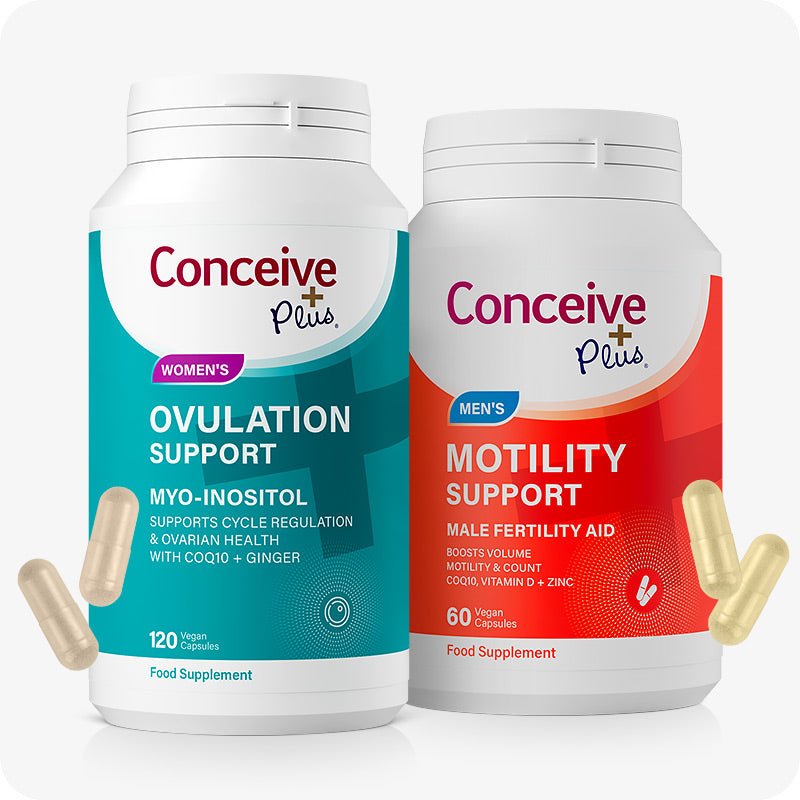
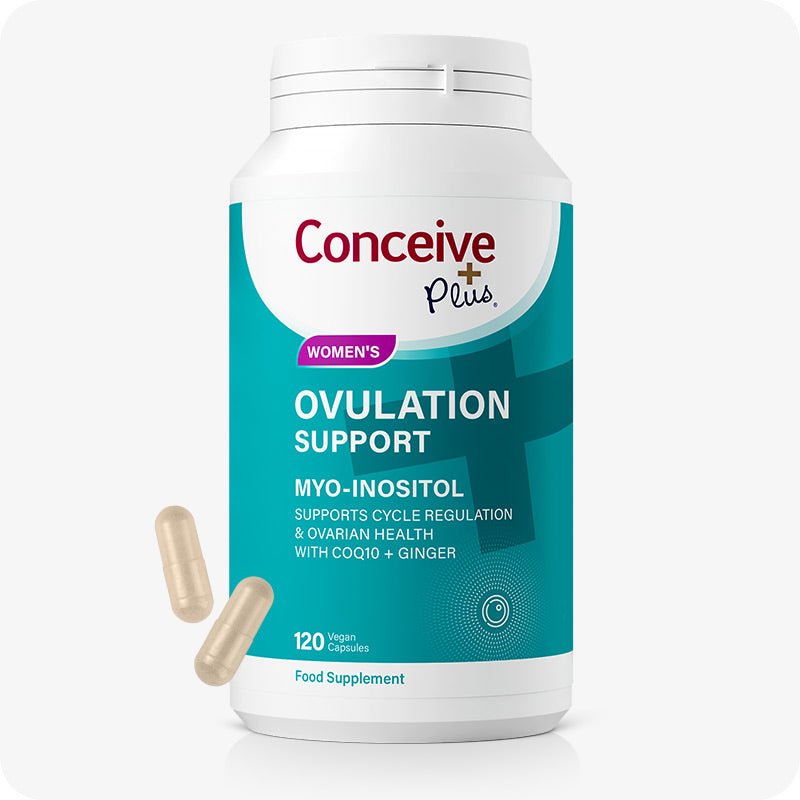
Natural cycle support, every day. Conceive Plus Ovulation Support provides targeted nutritional support to help women with irregular cycles restore hormonal balance and optimise their fertile window.