Fertility Supplements: A Complete Evidence-Based Guide to Which Nutrients Actually Work


Understanding the Role of Supplements in Fertility
The fertility supplement market has exploded in recent years as modern diets often fall short of delivering the precise nutrient profile optimal reproductive function requires. Fertility supplements are designed to fill nutritional gaps and provide targeted support for the complex biological processes involved in conception — from egg quality and sperm health to hormone balance and implantation.
This guide examines the evidence behind the most recommended fertility supplements for both women and men. Remember that supplements complement — not replace — a healthy diet and lifestyle.
Why Supplement Quality Matters
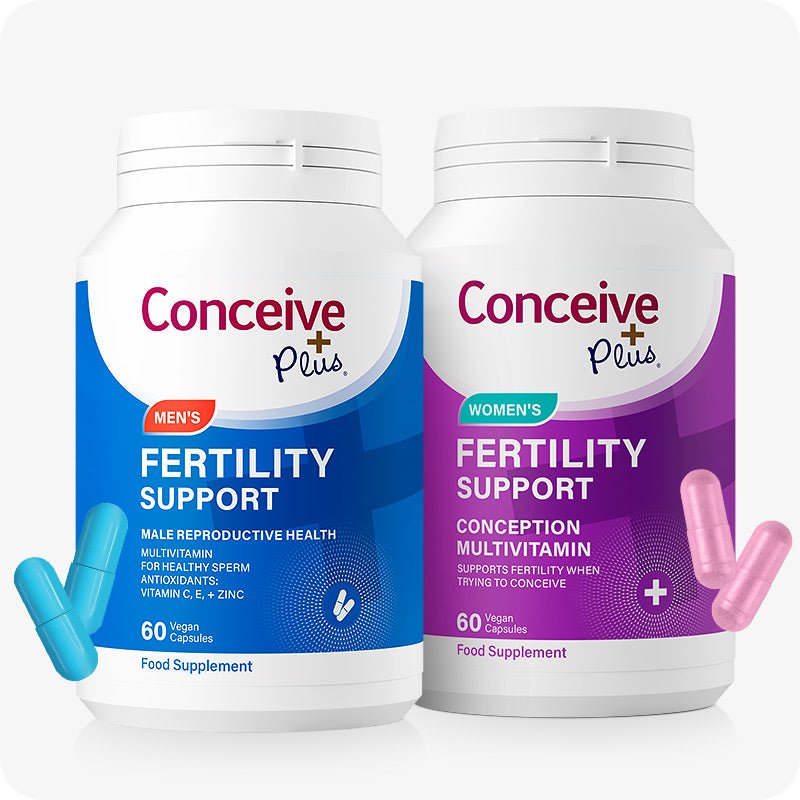
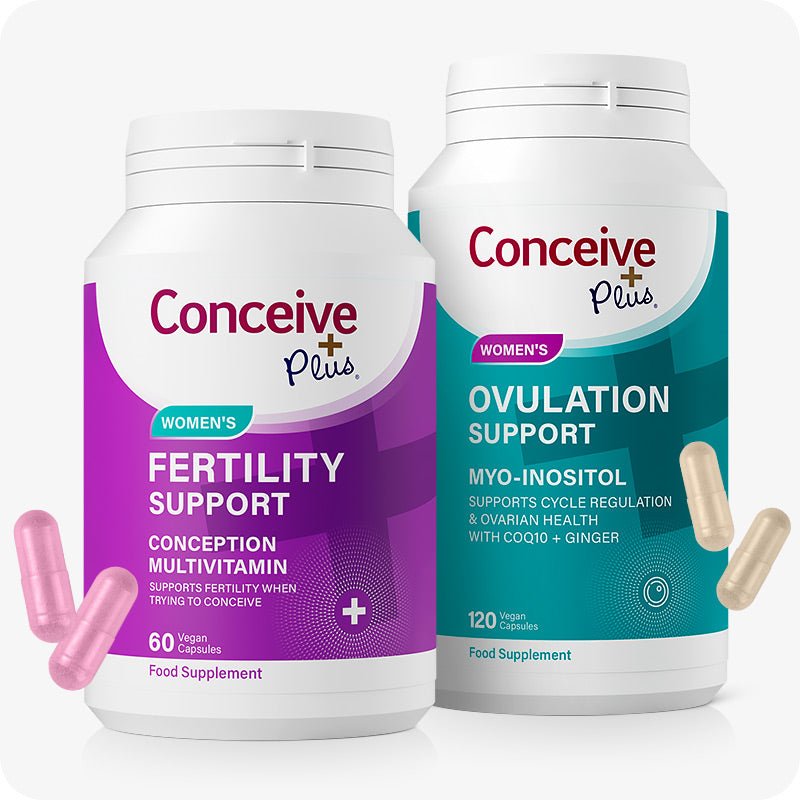
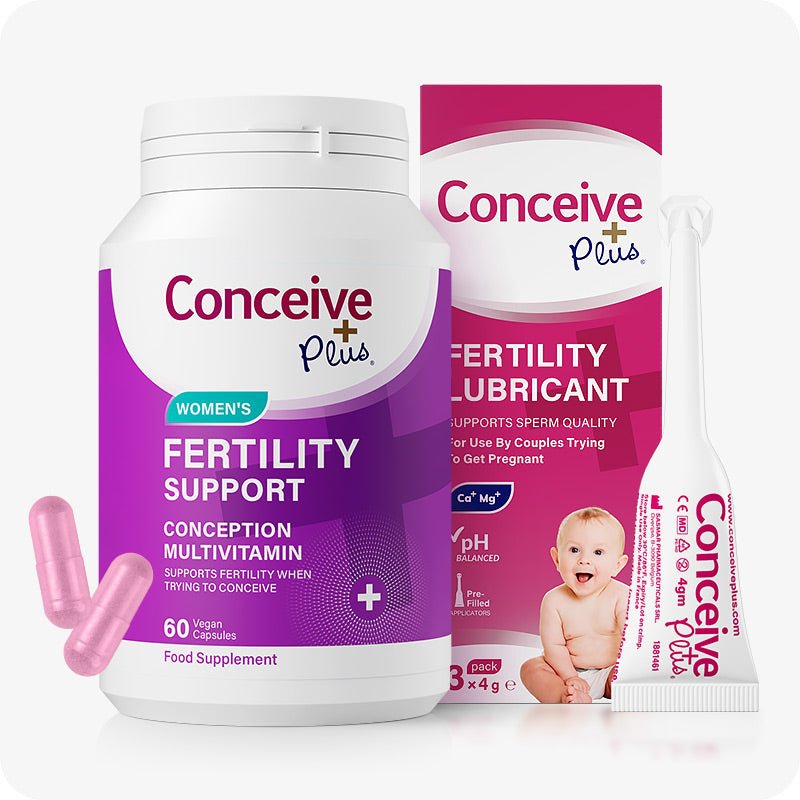
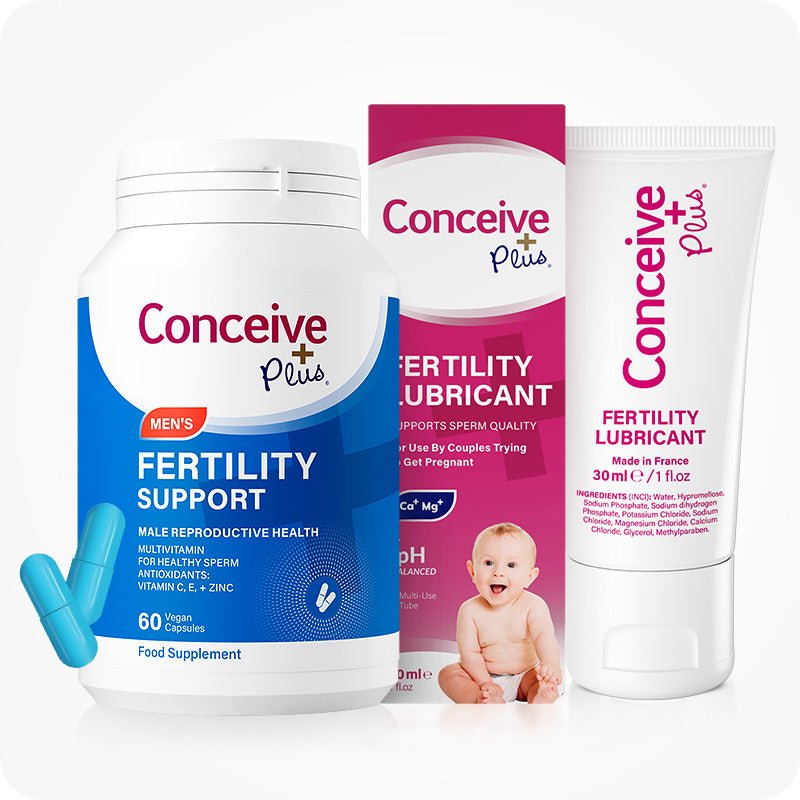
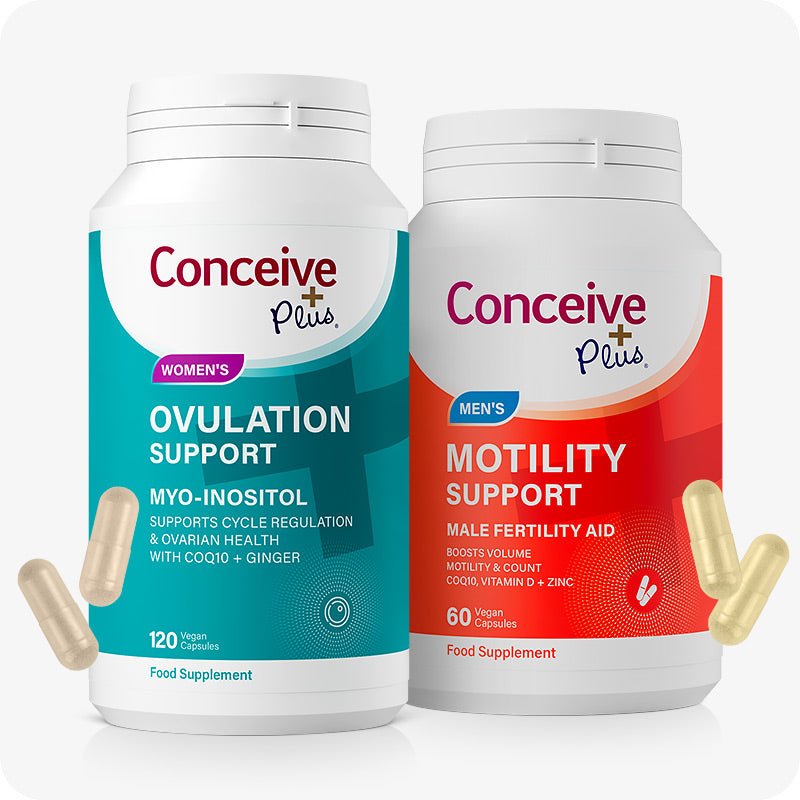
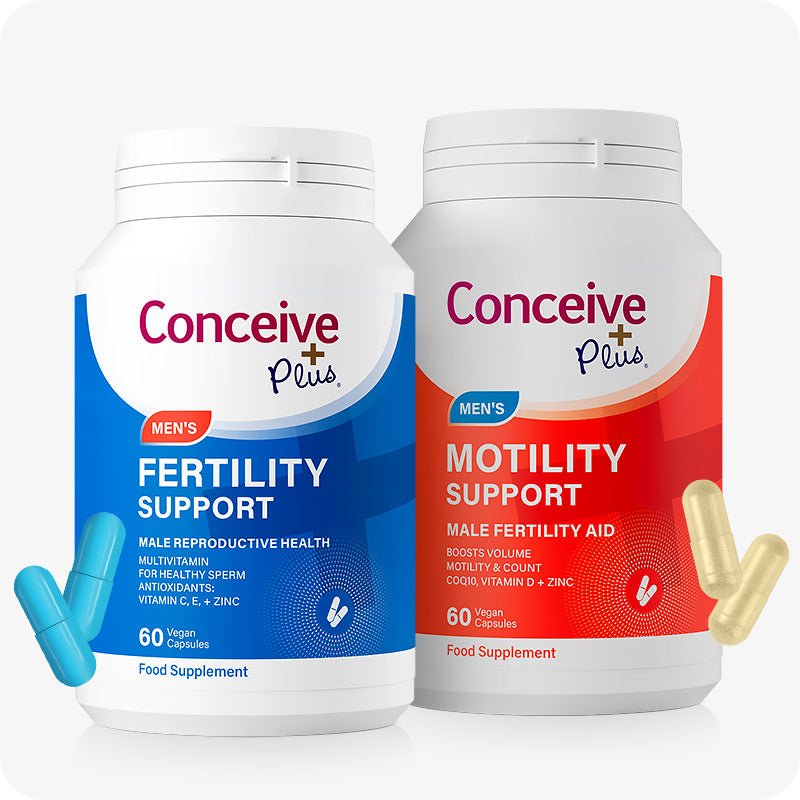
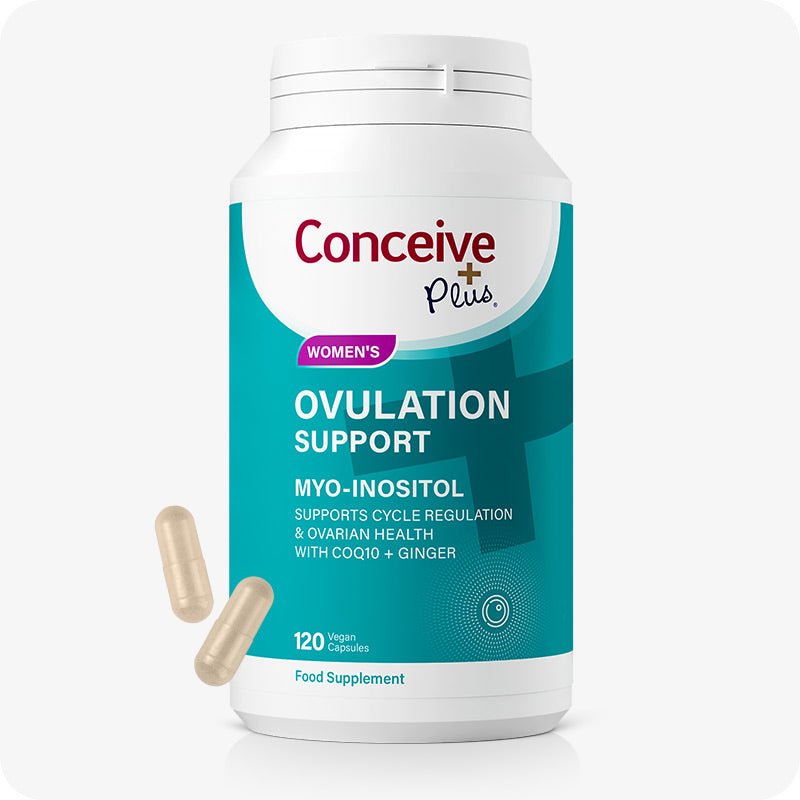
Quality varies dramatically between brands. Look for third-party testing, bioavailability-optimised nutrients (e.g., methylfolate for MTHFR variants), clinically appropriate dosages, and fertility-specific formulations. Conceive Plus supplements are manufactured to strict quality standards based on the latest reproductive science.
Choose supplements you can trust. Prenatal Essential Nutrients is formulated with high-quality, bioavailable ingredients backed by research.
Essential Supplements for Women
Folic Acid / Methylfolate (400-800 mcg): The single most important supplement for women of reproductive age. Prevents neural tube defects and supports healthy egg development.
CoQ10 (200-600 mg): Powers mitochondria in egg cells. A 2022 meta-analysis found CoQ10 significantly improved pregnancy rates in IVF.
Vitamin D (1,000-2,000 IU): Receptors present throughout the reproductive system. Deficiency linked to lower IVF success.
Omega-3 (1,000 mg EPA+DHA): Essential for hormone production and reducing inflammation.
Myo-Inositol (2,000-4,000 mg): Restores ovulation in up to 70% of PCOS cases within 3-6 months.
Essential Supplements for Men
Zinc (30 mg): Improves sperm count by 74% in deficient men. Selenium (55-70 mcg): Protects sperm from oxidative damage. L-Carnitine (1,000-3,000 mg): Fuels sperm motility. CoQ10 (200-300 mg): Reduces DNA fragmentation. Vitamin C (500-1,000 mg): Prevents sperm clumping and DNA damage.
Supplements for Couples
Omega-3s, vitamin D, and CoQ10 benefit both partners. Both partners optimising nutrition simultaneously improves time-to-pregnancy compared to female-only supplementation.
Timing and Duration
Sperm and egg cells take approximately 90 days to mature. Start supplements at least three months before trying to conceive for maximum impact.
Frequently Asked Questions
When should I start fertility supplements? At least three months before trying to conceive.
Can supplements improve egg quality? Yes. CoQ10, omega-3s, and folate have shown benefits.
Do men need fertility supplements? Yes. Male factor contributes to ~50% of infertility cases.
Are expensive supplements better? Not necessarily. Look for ingredient quality, dosage, and third-party testing.
Can I take too many supplements? Yes. Stick to recommended dosages.
Should I continue supplements during pregnancy? Prenatal vitamins should continue. Review other supplements with your healthcare provider.
Do supplements help IVF? Yes. Studies show improved egg quality, sperm quality, and pregnancy rates.
What is methylfolate? The active form of folic acid, beneficial for women with MTHFR gene variants.
Can supplements help PCOS? Yes. Myo-inositol, vitamin D, and omega-3s are particularly effective.
Start your supplement journey. Prenatal Essential Nutrients delivers precisely formulated, science-backed nutrition for your fertility journey.