Understanding Unexplained Infertility: A Comprehensive Guide for Women and Couples


Understanding Unexplained Infertility: A Comprehensive Guide for Women and Couples
Receiving the diagnosis of "unexplained infertility" is, for many couples, one of the most frustrating outcomes of a fertility investigation. After months of tests, blood draws, ultrasounds, and semen analyses, being told that no identifiable cause can be found feels deeply unsatisfying. How can there be no explanation?
Unexplained infertility is defined as the failure to conceive after 12 months of regular, unprotected intercourse when standard investigations — ovarian reserve testing, tubal patency assessment, semen analysis, and hormonal profiling — return normal results. It affects approximately 25–30% of couples presenting to fertility clinics, making it one of the most common fertility diagnoses in Europe.
This guide explores what unexplained infertility actually means, what research tells us about its likely underlying causes, and what evidence-based approaches can help.
What "Unexplained" Really Means
The term "unexplained" is something of a misnomer. It does not mean there is nothing wrong — it means that current standard diagnostic tests have not identified a cause. This is an important distinction. Our diagnostic tools, while sophisticated, are limited. They cannot assess every aspect of reproductive function.
Several factors are likely contributing to unexplained infertility in many cases but are not captured by standard workups:
- Subtle egg quality issues: Standard antral follicle counts (AFC) and AMH levels measure ovarian reserve (quantity) but not egg quality. An older woman, or a younger woman with abnormal mitochondrial function in oocytes, may have apparently normal reserves but reduced quality.
- Sperm DNA fragmentation: A standard semen analysis evaluates count, motility, and morphology — but not sperm DNA integrity. High sperm DNA fragmentation (SDF) rates can cause fertilisation failures and early miscarriage even when the semen analysis appears entirely normal. Up to 25% of men with normal semen parameters have elevated SDF.
- Endometrial receptivity issues: The endometrium must be not only adequately thickened but biochemically receptive — expressing the right surface molecules at the right time to allow implantation. Standard ultrasound cannot detect all receptivity issues. The "window of implantation" may be displaced in some women.
- Subtle immune factors: Emerging research is investigating the role of uterine natural killer cells, regulatory T cells, and the complement system in implantation. The field is controversial, but some evidence suggests immune dysregulation contributes to unexplained infertility and recurrent implantation failure.
- Microbiome factors: Recent research has described the uterine microbiome and its potential influence on implantation. A Lactobacillus-dominated uterine environment appears to support receptivity, while dysbiosis may impair it — though clinical applications are still emerging.
- Oxidative stress: Elevated reactive oxygen species in the reproductive tract can damage gametes and embryos without producing abnormalities detectable on standard tests.
Understanding that "unexplained" reflects the limits of current diagnostic tools — not the absence of a biological reason — can help couples approach the situation with a more constructive perspective.
Epidemiology and Natural Conception Rates
Support Your Fertility Journey
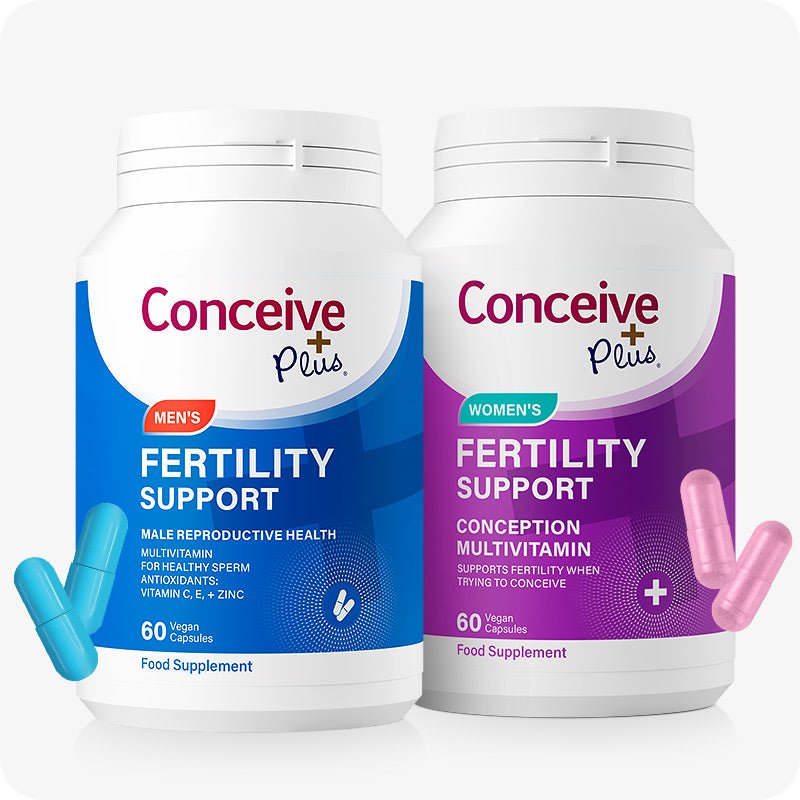
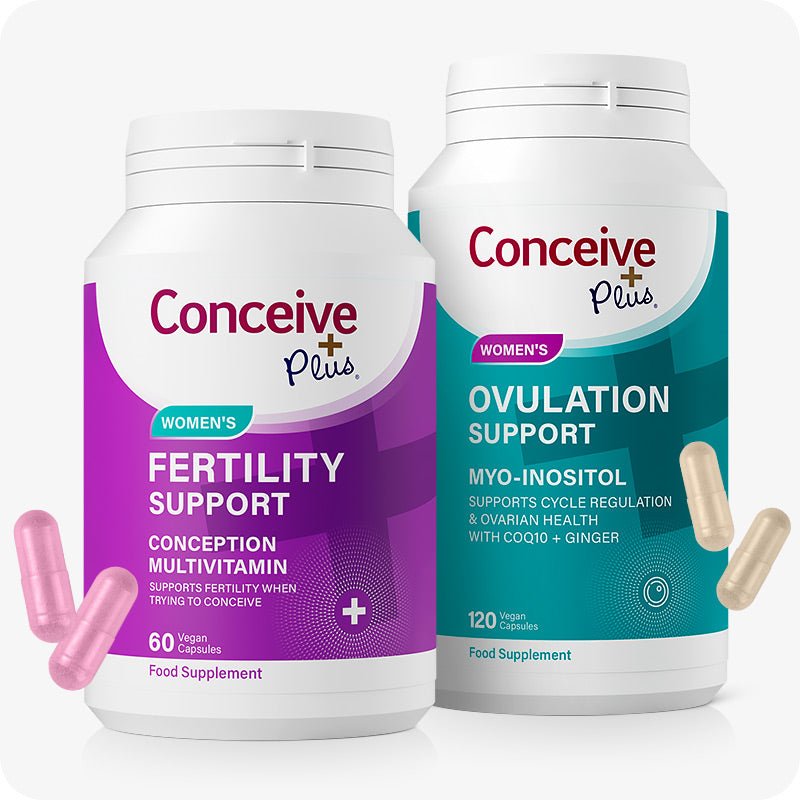
Conceive Plus Women's Fertility Support is formulated by fertility experts to support your hormonal health and reproductive wellbeing through evidence-based nutrition. Trusted by couples worldwide.
Learn More →One of the most important facts for couples with unexplained infertility to understand is that natural conception remains possible. Research shows that approximately 35–50% of couples with unexplained infertility will conceive naturally within two years of diagnosis.
The prognosis is influenced by:
- Duration of infertility: Couples who have been trying for less than two years have considerably better natural conception rates than those with longer histories of subfertility.
- Female age: This is the single strongest prognostic factor. Natural conception rates and IVF success rates both decline significantly from the mid-30s onwards, reflecting declining egg quality.
- Previous pregnancies: Couples who have previously conceived (even if the pregnancy did not result in a live birth) tend to have better prognosis than those who have never achieved conception.
This information is not meant to dismiss the distress of infertility or to suggest that waiting is always appropriate. Rather, it contextualises the decision about when and whether to pursue active treatment.
Diagnostic Tests Beyond the Standard Workup
When standard investigations are normal, additional testing may uncover contributing factors:
Sperm DNA Fragmentation Testing
Tests such as the sperm chromatin structure assay (SCSA) or TUNEL assay quantify the proportion of sperm with damaged DNA. A fragmentation index above 25–30% is associated with reduced natural conception rates and poorer IVF outcomes. This test is not part of the standard workup in most European centres but is increasingly available and recommended for couples with unexplained infertility.
Hysteroscopy
Transvaginal ultrasound can miss subtle intrauterine pathologies including small polyps, adhesions, or a partial septum. A diagnostic hysteroscopy — a minor outpatient procedure — provides direct visualisation of the uterine cavity and may reveal treatable abnormalities in up to 25% of women with apparent unexplained infertility.
Endometrial Receptivity Testing
The ERA (endometrial receptivity array) tests the expression of genes associated with endometrial receptivity at a specific point in the cycle. It can identify a displaced window of implantation — meaning embryo transfer should be performed at a different time than standard protocols assume. Evidence for its clinical utility remains under debate, but some women with recurrent implantation failure find it informative.
Thrombophilia Screening
Inherited thrombophilias (such as Factor V Leiden or prothrombin mutations) and antiphospholipid antibodies can impair placentation and are associated with recurrent pregnancy loss. They are not universally tested in unexplained infertility workups but may be relevant, particularly with a history of early losses.
Karyotyping
In some cases of unexplained infertility, chromosomal structural abnormalities in one or both partners may be contributing. Peripheral blood karyotyping is a straightforward test that can identify balanced translocations or other structural variants.
Treatment Options: What Works and What to Expect
Treatment decisions for unexplained infertility involve balancing the chance of natural conception with the benefits of intervention, taking into account the couple's age, how long they have been trying, and personal preferences.
Expectant Management
For younger couples (women under 35) with a short history of infertility, a period of expectant management — actively monitoring without intervention while optimising lifestyle and nutrition — is a valid first approach. Research, including the NICE fertility guideline (2013, updated), supports this for appropriately selected couples.
Intrauterine Insemination (IUI)
IUI involves placing washed sperm directly into the uterus at the time of ovulation — either in a natural cycle or with mild ovarian stimulation. It is less invasive and less expensive than IVF. Evidence from randomised trials, however, suggests that IUI with gonadotrophins has modest success rates (around 10–15% per cycle) for unexplained infertility, and multiple cycles are generally required. The NICE guideline recommends offering IUI to couples with unexplained infertility when other factors make natural conception unlikely, though its role compared to expectant management or direct progression to IVF is debated.
IVF (and ICSI)
IVF allows direct assessment of fertilisation and embryo development — which itself provides diagnostic information. If embryos consistently fail to develop normally, this points toward egg or sperm quality issues invisible to standard testing. ICSI ensures fertilisation occurs even if subtle sperm function issues are present.
For unexplained infertility, IVF success rates are generally better than for many other diagnoses — because the reproductive system is essentially intact, the limiting factor may be circumstances or timing rather than structural problems. Live birth rates per cycle vary by age and clinic, typically ranging from 20–40% per cycle for women under 38.
Lifestyle and Nutritional Optimisation
Evidence supports the role of lifestyle modification as an adjunct to any treatment strategy. This is not about blame — it is about optimising what is within one's control while working with medical professionals on the aspects that are not.
Nutritional and Lifestyle Approaches
For couples with unexplained infertility, nutritional and lifestyle optimisation represents the most accessible and lowest-risk intervention available. Key evidence-based elements include:
- Antioxidant nutrition: Oxidative stress is increasingly implicated in unexplained infertility. Foods rich in antioxidants — colourful vegetables, berries, nuts, legumes — along with targeted supplementation (CoQ10, vitamin C, vitamin E, selenium) support gamete health.
- Healthy body weight: Both underweight and overweight status impair ovarian function and implantation. A BMI between 19–25 is associated with optimal fertility outcomes.
- Minimising alcohol: Even moderate alcohol consumption has been associated with longer time to conception and poorer treatment outcomes.
- Folate supplementation: 400 mcg daily for women; some evidence also supports folate supplementation in men for sperm DNA integrity.
- Vitamin D optimisation: Deficiency is common across Northern and Central Europe and is associated with poorer fertility outcomes. Testing and supplementing to achieve sufficiency is a simple step.
- Reducing environmental chemical exposure: BPA, phthalates, and pesticide residues act as endocrine disruptors. Using glass or stainless steel containers, eating organic when possible, and avoiding synthetic fragrances are practical steps.
The Psychological Impact and the Importance of Support
The psychological burden of unexplained infertility is significant and often underestimated. Unlike couples who receive a definitive diagnosis, those with unexplained infertility are left with uncertainty — which many find harder to cope with than a clear problem that can be treated.
Research published in Human Reproduction found that women with unexplained infertility reported higher levels of anxiety and lower quality of life than those with diagnosed conditions, perhaps because the absence of explanation creates a sense of helplessness and self-doubt.
Psychological support — through fertility counsellors, support groups, or mindfulness-based programmes — is an important component of care. It does not replace medical treatment, but it supports the resilience and wellbeing needed to navigate a prolonged and uncertain journey.
Couples should also be aware that fertility-related stress, while distressing, does not in itself cause infertility. The claim that "just relaxing" leads to pregnancy is both scientifically unsupported and harmful, as it implies that the person's emotional state is responsible for their difficulty conceiving.
Making Decisions About Treatment: A Framework for Couples
Choosing how to respond to a diagnosis of unexplained infertility requires weighing multiple factors:
- Age: The urgency of intervention increases significantly with age. For women over 37, moving more quickly to treatment is generally appropriate.
- Duration of subfertility: The longer the history, the lower the natural conception rates and the stronger the case for treatment.
- Emotional capacity: IVF is demanding. Ensuring you have the emotional and relational resources to undergo treatment is as important as the clinical decision.
- Financial planning: Treatment costs vary across Europe; some countries offer public funding for a defined number of cycles, while in others treatment is predominantly private.
- Values and preferences: Some couples feel strongly about exhausting natural approaches first; others prefer the clarity and speed of moving to IVF. Both are valid positions.
Work with a fertility specialist who takes time to explain your specific situation, discuss statistics relevant to your age and history, and respect your values and preferences in making treatment decisions.
Frequently Asked Questions
Q: Is unexplained infertility the same as being infertile?
A: Not necessarily. Unexplained infertility means that no cause has been identified on standard testing. Many couples with this diagnosis conceive naturally or with relatively minimal intervention. The prognosis depends heavily on age and duration of subfertility.
Q: How long should we try before seeking help?
A: Current guidelines recommend seeking fertility assessment after 12 months of regular, unprotected intercourse for women under 35, or after 6 months for women 35 and older. Seek assessment sooner if there are known risk factors such as irregular cycles, previous pelvic infection, or known reproductive health conditions.
Q: Can lifestyle changes really help with unexplained infertility?
A: Yes. While they are not a guaranteed solution, lifestyle optimisation — including diet, weight management, avoiding alcohol, supplementation, and reducing environmental toxin exposure — can meaningfully support reproductive health and may be sufficient for some couples to conceive.
Q: Is sperm DNA fragmentation testing available in Europe?
A: Yes, increasingly so. Many fertility clinics across Europe offer this test. It is particularly worth considering if the semen analysis is normal but conception is not occurring, or if there have been recurrent early pregnancy losses.
Q: Should we go straight to IVF?
A: This depends on age, duration of infertility, and personal circumstances. For younger couples with a short history, expectant management or IUI may be appropriate first steps. For women over 37 or couples with longer histories of subfertility, earlier progression to IVF is generally recommended.
Q: Does stress cause unexplained infertility?
A: While chronic stress does have hormonal effects, there is no good evidence that stress causes unexplained infertility or that reducing stress alone will resolve it. This framing is harmful as it implies personal responsibility for a medical condition. Stress management is valuable for wellbeing but should not be presented as a treatment.
Q: What if multiple IVF cycles fail?
A: Recurrent implantation failure (three or more failed transfers) is a distinct clinical situation warranting further investigation. Additional tests — ERA, immunological screening, advanced embryology assessments — may be appropriate. Seeking a second opinion from another specialist is always reasonable.
Q: Are there any new treatments for unexplained infertility?
A: Research is ongoing into several areas: endometrial receptivity testing and personalised embryo transfer, immune-modulating therapies, microbiome assessment and modification, and mitochondrial support for oocytes. Some of these are available in specialist centres; others remain investigational.
Q: What support is available for the emotional impact of unexplained infertility?
A: Fertility counselling is a recommended component of infertility care across European clinical guidelines. National fertility organisations in most EU countries provide information resources and access to support. Peer support communities — both online and in person — can also be valuable.
Q: Is it worth getting a second opinion on our diagnosis?
A: Absolutely. Unexplained infertility diagnoses are inherently uncertain, and different specialists may approach additional investigations differently. Seeking a second opinion from a centre with subspecialty expertise in unexplained infertility or recurrent implantation failure is entirely appropriate and can be very helpful.
Ready to Take the Next Step?
Join thousands of couples who trust Conceive Plus to support their fertility journey. Conceive Plus Women's Fertility Support is clinically informed, expertly formulated, and designed for real results.
Shop Women's Fertility Support →