The Two-Week Wait (TWW): How to Survive the Most Challenging Part of Trying to Conceive


The Two-Week Wait (TWW): How to Survive the Most Challenging Part of Trying to Conceive
If you've been trying to conceive, you know the two-week wait (TWW) all too well. The approximately 14 days between ovulation and when your period is due — or when you can take a pregnancy test — is often described by TTC communities as the most psychologically gruelling stretch of the entire fertility journey.
This guide covers what's actually happening biologically during the TWW, what symptoms mean (and don't mean), how to protect your mental health during this time, and what you can do to genuinely support implantation and early pregnancy. Conceive Plus supports couples throughout every phase of the conception journey — including this one.
What Is the Two-Week Wait and Why Does It Exist?
The TWW is the luteal phase of your menstrual cycle — the period between ovulation and either menstruation or a missed period. After ovulation, the ruptured follicle becomes the corpus luteum, a temporary endocrine gland that secretes progesterone. Progesterone transforms the endometrium (uterine lining) into a receptive environment for an embryo.
If fertilisation occurs, the developing embryo travels down the fallopian tube over 5–7 days, reaching the uterus around day 5–6 after fertilisation. Implantation then occurs between days 6 and 12 post-ovulation. Once implanted, the embryo begins producing human chorionic gonadotropin (hCG) — the hormone detected by pregnancy tests.
hCG levels rise rapidly in early pregnancy, roughly doubling every 48–72 hours in a viable pregnancy. Most home pregnancy tests can detect hCG at levels of 25 mIU/mL or above, which typically isn't reached until 10–14 days after ovulation — hence the wait.
TWW Symptoms: What's Real and What's Progesterone?
Support every phase of your fertility journey.
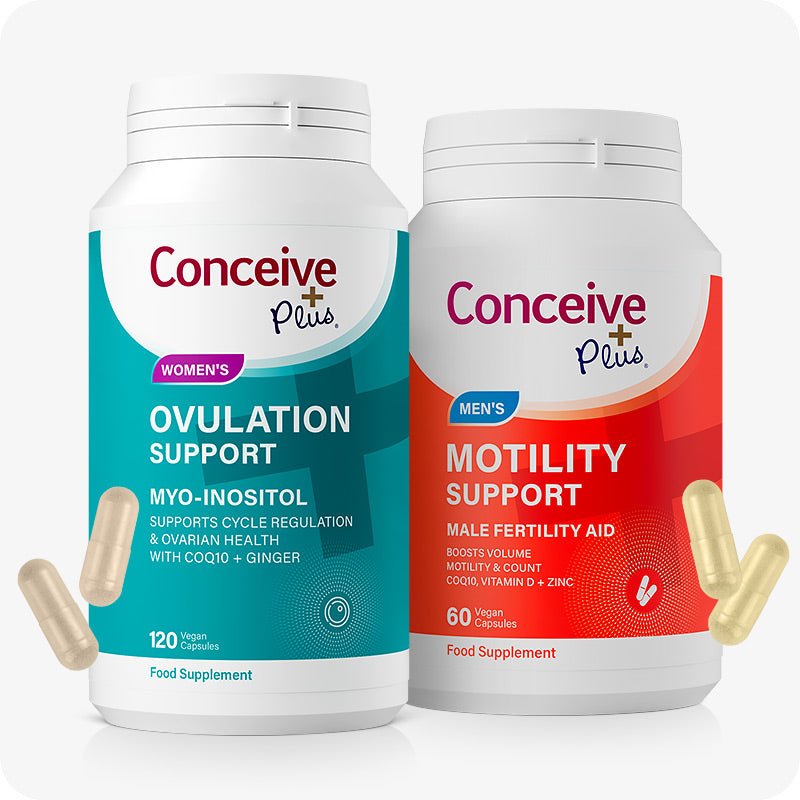
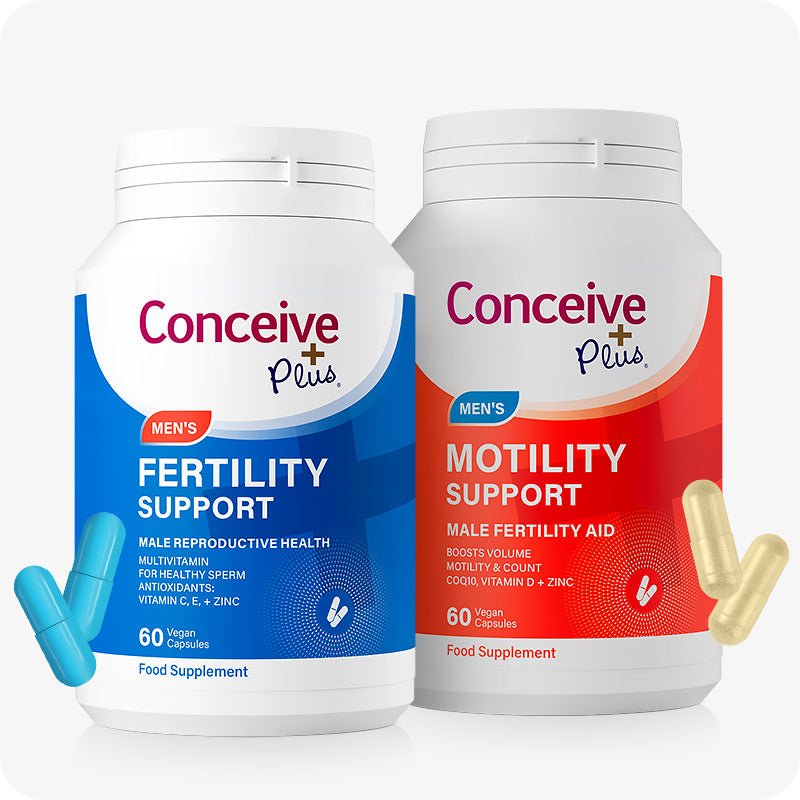
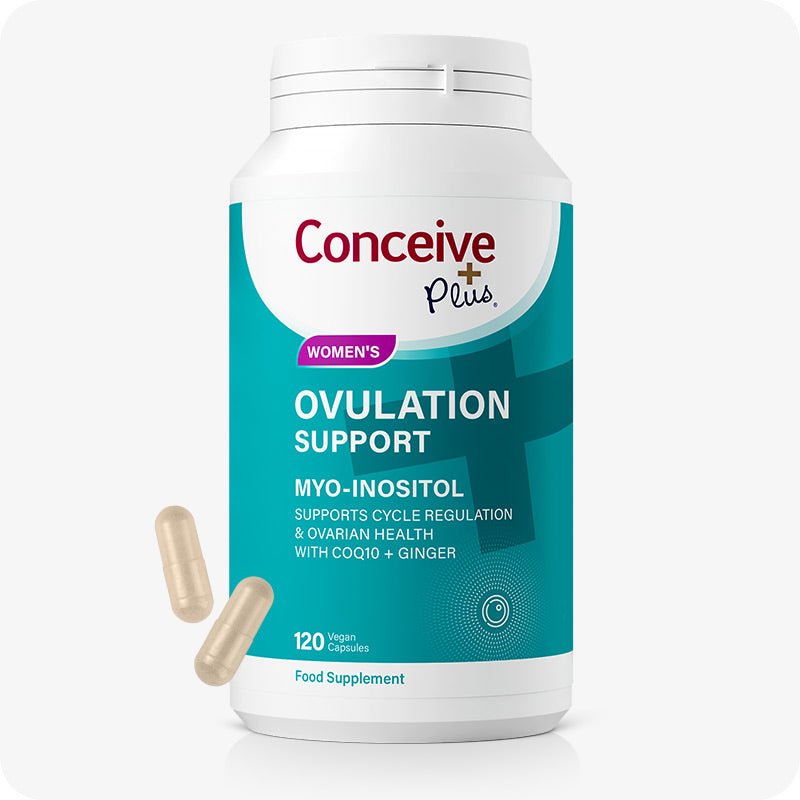
Conceive Plus offers clinically formulated supplements across Europe. Discover the range →
This is where the TWW gets particularly cruel: progesterone — elevated in every luteal phase regardless of whether conception occurred — causes symptoms that are virtually identical to early pregnancy symptoms.
Progesterone-driven luteal phase symptoms include:
- Breast tenderness and swelling
- Bloating and water retention
- Fatigue and increased need for sleep
- Mild cramping
- Mood changes, emotional sensitivity
- Increased hunger or food cravings
- Slight nausea
Every single one of these also appears in the list of early pregnancy symptoms. There is no reliable way to distinguish progesterone-driven luteal symptoms from true implantation or early pregnancy symptoms until a pregnancy test can detect hCG — no matter how certain the feeling.
That said, some women do report experiences specific to early pregnancy:
- Implantation bleeding: Light spotting or pinkish discharge around 6–12 days post-ovulation, which some (though not all) women experience when the embryo implants. However, this is easily confused with early period spotting.
- Elevated and sustained BBT: If you're tracking basal body temperature, a continued temperature elevation beyond day 14 post-ovulation is a meaningful indicator of pregnancy — more reliable than symptom-spotting.
Implantation: Supporting the Critical Window
Implantation is one of the most important — and most precarious — steps in the conception process. Even a chromosomally normal embryo will not implant successfully in a suboptimal uterine environment. Research suggests that failed implantation accounts for the majority of failed IVF cycles with good-quality embryos.
Factors that support successful implantation:
Progesterone production: Adequate corpus luteum function and progesterone secretion are essential for endometrial preparation. Women with luteal phase deficiency (LPD) may have insufficient progesterone, which can cause early luteal phase symptoms to peak earlier than normal and periods to arrive earlier (short luteal phase).
Uterine blood flow: Adequate blood flow to the endometrium supports embryo nourishment after implantation. Lifestyle factors that improve circulation — moderate exercise, avoiding smoking, staying hydrated — are relevant here.
Inflammation management: The implantation window requires a precise balance of immune activity — too much inflammation is hostile to implantation. Omega-3 fatty acids and antioxidants help manage systemic inflammation during this critical window.
Nutritional status: Folate (essential for cell division in the early embryo), zinc (critical for early embryonic development), and vitamin D (receptor present on endometrial cells) all support the implantation environment.
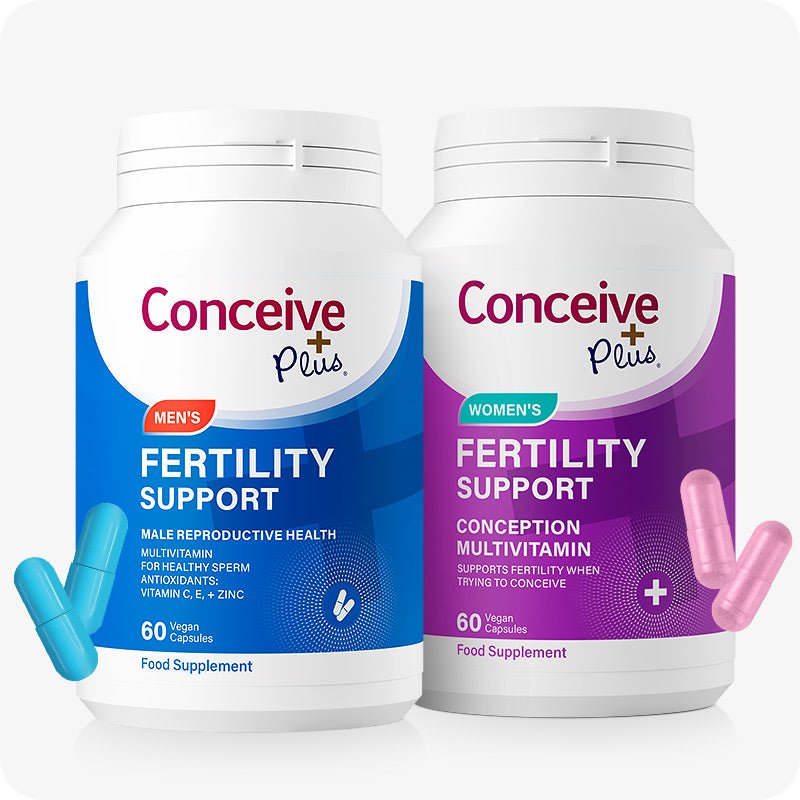
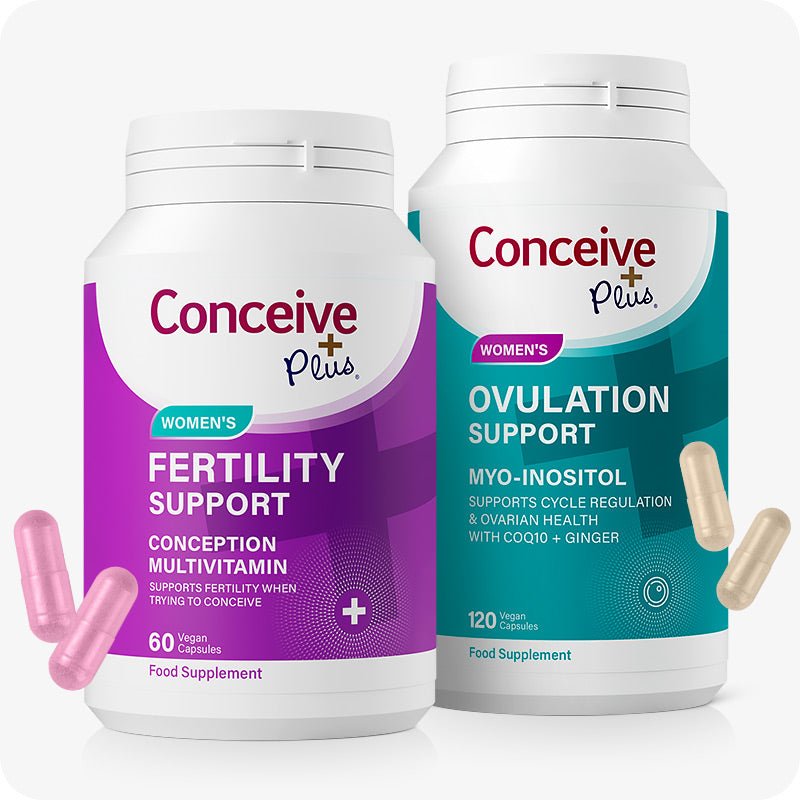
Conceive Plus Women's Fertility Support provides key nutrients that support the luteal phase and implantation window, including methylfolate, vitamin D, and zinc. Support your journey at conceiveplus.eu/collections/fertility-supplements.
Progesterone and the TWW: When to Ask Your Doctor About Luteal Support
If you notice consistent patterns suggesting luteal phase deficiency — short cycles (under 25 days), spotting in the week before your period, or premenstrual symptoms appearing very early in the luteal phase — it's worth discussing with your gynaecologist or fertility specialist.
A day-21 serum progesterone test (or 7 days post-ovulation if cycles are irregular) measures luteal phase progesterone levels. Values below 30 nmol/L on this test may indicate inadequate corpus luteum function. For women undergoing IVF, progesterone supplementation (pessaries, injections, or gel) is standard protocol to support implantation.
Pregnancy Testing During the TWW: When to Test
One of the most common TWW decisions is when to take a pregnancy test. Testing too early leads to negative results even in successful cycles — and potentially false negatives if hCG is rising but hasn't yet hit the test threshold.
The biology of testing timing:
- hCG first appears in blood around 6–8 days post-ovulation (at implantation)
- Urine levels lag blood levels by 1–2 days
- Standard sensitivity HPTs (25 mIU/mL) reliably detect pregnancy from 10–12 days post-ovulation in most cases
- For the most accurate result, test on the day of your expected period or 14 days post-ovulation
- First morning urine is most concentrated and most likely to show a positive if hCG is present
"Early response" tests marketed to detect at 10 mIU/mL can give positive results 1–2 days earlier, but also have higher rates of detecting very early pregnancies that subsequently miscarry (biochemical pregnancies) — which can be emotionally devastating. For some women, testing early is worth the earlier knowledge; for others, waiting is better for mental health.
Managing the Psychological Dimension of the TWW
Research confirms that the psychological toll of fertility challenges — including the monthly cycle of hope and disappointment — is substantial and clinically meaningful. A study from Fertility and Sterility found that the emotional distress of infertility is comparable to that of a cancer diagnosis for some couples.
During the TWW specifically:
Reduce symptom-spotting: Obsessively cataloguing every twinge, cramp, or mood shift is understandable but ultimately increases anxiety without providing reliable information. Try to notice once and let it go — your symptoms are not diagnostic.
Maintain normal life as much as possible: Putting your whole life on hold during the TWW — stopping activities you enjoy, declining social invitations "just in case" — amplifies the psychological weight. Continue your normal activities unless medically advised otherwise.
Engage in genuinely distracting activities: Activities that require genuine cognitive engagement (a project at work, a new skill, a compelling book) are more effective at breaking the symptom-checking loop than passive distraction like TV.
Limit pregnancy test obsession: Set a testing date and stick to it. Serial daily testing from 7 days post-ovulation creates more anxiety than information. Some women benefit from simply buying one test and keeping it for their intended test date.
Connect with your partner: The TWW can create distance between couples who are each managing anxiety differently. Explicitly communicating about where you're each at — without requiring your partner to symptom-analyse with you — protects the relationship through repeated cycles.
Mind-body practices: Yoga, meditation, and mindfulness have documented benefits for reducing fertility-related anxiety. The benefit isn't just psychological — stress hormones affect the hormonal milieu of conception and early pregnancy. Several studies support mind-body programmes as improving pregnancy rates in IVF.
What to Do After a Negative Test
A negative pregnancy test during a TWW is genuinely difficult — the collapse of hope that builds over two weeks is acute. Give yourself permission to feel it without immediately pivoting to "what can I do differently next month."
Practically: confirm your negative with a repeat test 48 hours later if your period hasn't arrived (tests can be negative early in viable pregnancies). If your period arrives, use the next cycle to review what went well, whether ovulation was confirmed, and whether your supplement and lifestyle routine is optimised.
If you've experienced multiple consecutive negative tests after confirmed ovulation, it's appropriate to discuss a fertility workup with your GP or gynaecologist.
What To Eat and Avoid During the TWW
While there's no dietary magic bullet during the two-week wait, nutritional choices can support your implantation environment:
Helpful:
- Anti-inflammatory foods: oily fish, berries, leafy greens, turmeric, olive oil
- Adequate protein for progesterone synthesis and early cell division
- Complex carbohydrates for blood sugar stability (affecting hormone balance)
- Staying well-hydrated (supports uterine blood flow)
- Pineapple core (bromelain) — a popular TTC community recommendation with some theoretical anti-inflammatory basis, though limited clinical evidence
Best avoided during the TWW:
- Alcohol (particularly after ovulation — foetal alcohol exposure begins at implantation)
- High mercury fish (swordfish, king mackerel, tilefish)
- Raw fish, unpasteurised cheeses, and deli meats (listeria risk)
- Excessive caffeine (above 200mg/day may increase miscarriage risk)
Exercise During the TWW: The Evidence
Moderate exercise is safe and beneficial during the two-week wait. There is no clinical evidence that normal exercise prevents implantation or causes early miscarriage in healthy women. The idea that you need to lie still for implantation to occur is a myth.
What's reasonable: walking, swimming, yoga, light jogging, cycling. What to avoid or moderate: very high-intensity interval training, contact sports with fall risk, and activities that significantly raise core temperature (hot yoga, saunas).
FAQ: The Two-Week Wait
Q: Can I drink alcohol during the two-week wait before I know I'm pregnant?
A: The safest approach is to treat the luteal phase as if pregnancy is possible from ovulation onwards, since implantation begins before you can detect hCG. Abstaining completely is ideal; if you choose to drink, limit to one unit on any occasion during this period.
Q: Does stress during the TWW cause the cycle to fail?
A: Extreme chronic stress can disrupt reproductive hormones, but normal stress during an anxious two weeks is unlikely to cause implantation failure on its own. Many healthy pregnancies occur in highly stressed women. Managing stress supports your wellbeing rather than being a fertility requirement.
Q: Is it safe to use a hot tub or sauna during the two-week wait?
A: It's best to avoid significant core temperature elevation after ovulation. Hot tubs and saunas that raise core temperature are generally recommended to be avoided once you're trying to conceive, particularly in the TWW.
Q: Why do I get my period even when I did everything right?
A: Only approximately 20–25% of cycles result in pregnancy even in fertile couples with well-timed intercourse. Multiple factors affect each cycle, and the monthly probability of conception even under optimal conditions is not high. This doesn't mean something is wrong.
Q: Can I take pain medication for cramps during the TWW?
A: Paracetamol is generally considered safer than NSAIDs (ibuprofen) during the TWW and early pregnancy. NSAIDs may theoretically impair implantation by reducing prostaglandins involved in that process. Use paracetamol if needed and check with your doctor for your specific situation.
Q: How many TWW cycles is normal before conception?
A: In couples under 35 with normal fertility, approximately 85% will conceive within 12 months. The average time to conception is 4–6 months. Concern is appropriate after 12 months of trying without success (6 months if over 35).
Q: Does a longer luteal phase increase pregnancy chances?
A: A normal luteal phase is 12–16 days. Shorter luteal phases (<10 days) may indicate luteal phase deficiency and warrant investigation. Extending the luteal phase through progesterone supplementation is used in some clinical contexts, but supplementation without confirmed deficiency is not evidence-based.
Q: What supplements are appropriate during the TWW?
A: Continue all fertility supplements through the TWW as they support implantation and early embryo development. Particularly important are methylfolate, vitamin D, omega-3s, and zinc. Conceive Plus provides comprehensive luteal phase support — explore the range at conceiveplus.eu/collections/fertility-supplements.
Q: Is it normal to feel symptoms at 5 days past ovulation (5DPO)?
A: Symptoms at 5DPO are virtually universally driven by progesterone, not pregnancy. Even in a cycle that results in pregnancy, hCG is not yet being produced at 5DPO (implantation hasn't occurred yet). Symptoms you feel this early cannot distinguish between pregnancy and non-pregnancy cycles.
Conclusion: Surviving the TWW With Your Sanity Intact
The two-week wait is genuinely hard, and acknowledging that doesn't make it easier — but it does validate why you feel the way you do. You're navigating one of the most emotionally charged experiences in human life with incomplete information and no control over the outcome.
What you can control: your nutrition, your stress management, your relationship, and your supplement regime. Conceive Plus supports the implantation window with nutrients that matter — methylfolate, vitamin D, omega-3s, and zinc — so you know you're doing everything within your power while you wait.
Support your TWW with Conceive Plus: conceiveplus.eu/collections/fertility-supplements.
Support every phase of your fertility journey.
Conceive Plus offers clinically formulated supplements across Europe. Discover the range →