The Impact of Stress on Fertility: Evidence-Based Strategies for Reducing Stress and Improving Conception Chances


In the journey towards conception, stress is often dismissed as a minor factor — something that "can't really help" but surely can't be the reason you're not pregnant yet. The scientific evidence tells a different story. The relationship between psychological stress and fertility is profound, bidirectional, and biologically grounded in the complex interplay between the brain and the reproductive system.
Chronic stress activates the hypothalamic-pituitary-adrenal (HPA) axis, triggering a cascade of hormonal changes that can directly suppress reproductive function. Cortisol, the primary stress hormone, competes for receptor sites and precursor molecules with the sex hormones — progesterone, estrogen, and testosterone. When cortisol levels remain chronically elevated, the body's production of reproductive hormones takes a back seat.
A landmark prospective study published in Human Reproduction (2022) followed 400 women attempting to conceive and found that those with the highest levels of alpha-amylase — a biomarker of stress — were 29% less likely to become pregnant in any given cycle compared to those with the lowest levels, even after controlling for age, BMI, smoking, and frequency of intercourse.
The Biology of Stress and Fertility
When stress is perceived, the hypothalamus releases corticotropin-releasing hormone (CRH), which triggers cortisol release. CRH concurrently suppresses the release of gonadotropin-releasing hormone (GnRH), the master hormone driving the menstrual cycle and sperm production.
At the ovarian level, elevated cortisol reduces estrogen production by granulosa cells, impairing follicular development. At the endometrial level, cortisol reduces expression of key implantation factors. In men, chronic stress reduces testosterone and impairs sperm production.
A 2023 study found that women with higher perceived stress scores showed 22% lower luteal phase progesterone levels — significant because adequate progesterone is essential for implantation.
Measuring Your Stress: Recognising the Signs
Common manifestations include tension headaches, digestive issues, fatigue, and sleep disturbances. Emotional signs include irritability, anxiety, and feeling overwhelmed. Cognitive symptoms include brain fog and difficulty concentrating. The Perceived Stress Scale (PSS-10) is a validated tool for assessment.
Mindfulness and Meditation: The Evidence Base
A randomised controlled trial of 143 women undergoing IVF found that those who completed an 8-week MBSR programme had significantly lower anxiety and a 20% higher clinical pregnancy rate.
Participants show measurable reductions in cortisol, improvements in heart rate variability, and reductions in inflammatory markers. Even brief interventions help — a 5-minute box breathing exercise significantly reduced anxiety in women undergoing fertility evaluations.
Exercise, Sleep, and Circadian Rhythms
Moderate exercise — 30-45 minutes most days — is consistently associated with lower stress and improved fertility. However, more than 5 hours of vigorous exercise per week was associated with 1.6 times the risk of ovulatory infertility.
Women who slept fewer than 7 hours per night had 18% lower pregnancy rates. Shift work — particularly night shifts — has been associated with a 50% increase in menstrual cycle irregularities.
Supporting Your Partner Through the Journey
Women are more likely to internalise stress, while men are more likely to externalise — becoming irritable or withdrawing. Regular check-ins about feelings without focusing on logistics can strengthen your partnership. Date nights that have nothing to do with babymaking are essential — couples who maintained relationship satisfaction had significantly lower cortisol levels.
Professional Support: When to Seek Help
Signs that professional support may help include: persistent anxiety or low mood lasting more than two weeks, sleep disruption, withdrawal from relationships, or escalating conflict around fertility. CBT has been particularly effective, with significant distress reduction after 6-12 sessions.
FAQ — Frequently Asked Questions About Stress and Fertility
Q1: Can stress actually prevent pregnancy?
Chronic stress can reduce fecundability by 20-30%, but rarely causes permanent infertility.
Q2: How long does stress reduction take to improve fertility?
Some studies show improved cycle patterns within 2-3 months.
Q3: Is cortisol testing useful for fertility patients?
Salivary cortisol can provide useful information when interpreted by a healthcare provider.
Q4: Does acupuncture help with fertility-related stress?
Multiple studies support acupuncture's effectiveness for reducing anxiety.
Q5: Can stress affect male fertility?
Yes. Stress reduces testosterone, sperm concentration, and can increase DNA fragmentation.
Q6: Should I stop trying to reduce stress?
Actively reducing stress through evidence-based methods measurably improves outcomes.
Q7: Does yoga help with fertility?
Gentle yoga focusing on relaxation and breath work has been shown to reduce stress.
Q8: Can supplements help with stress-related fertility issues?
Magnesium, B-complex vitamins, and omega-3s support the body's stress response system.
Q9: Is it normal to feel depressed while trying to conceive?
It is extremely common, with prevalence of depressive symptoms at 20-40%.
Q10: How can my partner support me better?
Open communication about what each of you needs is the best starting point.
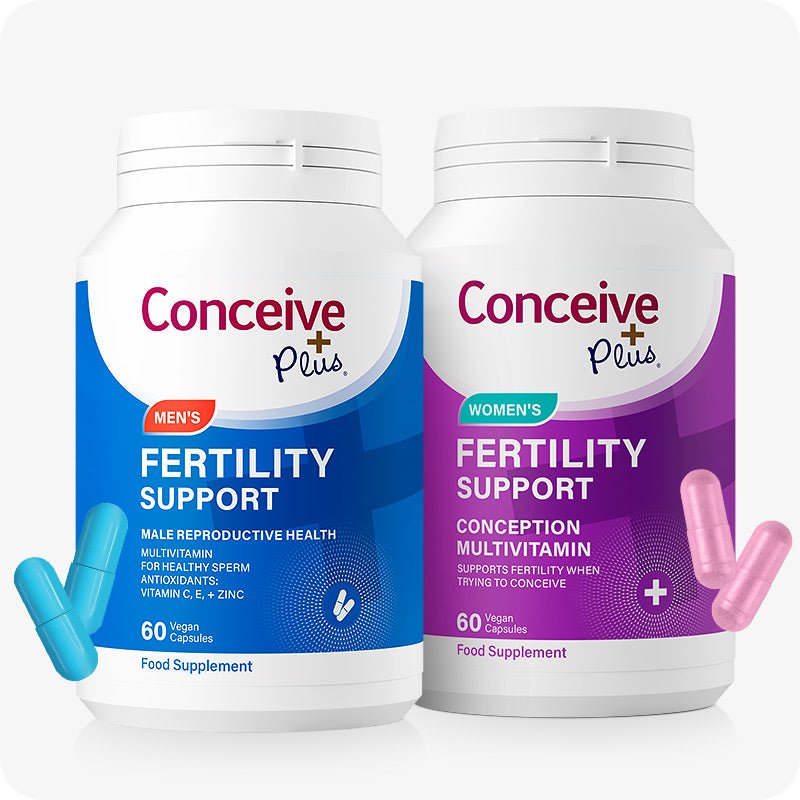
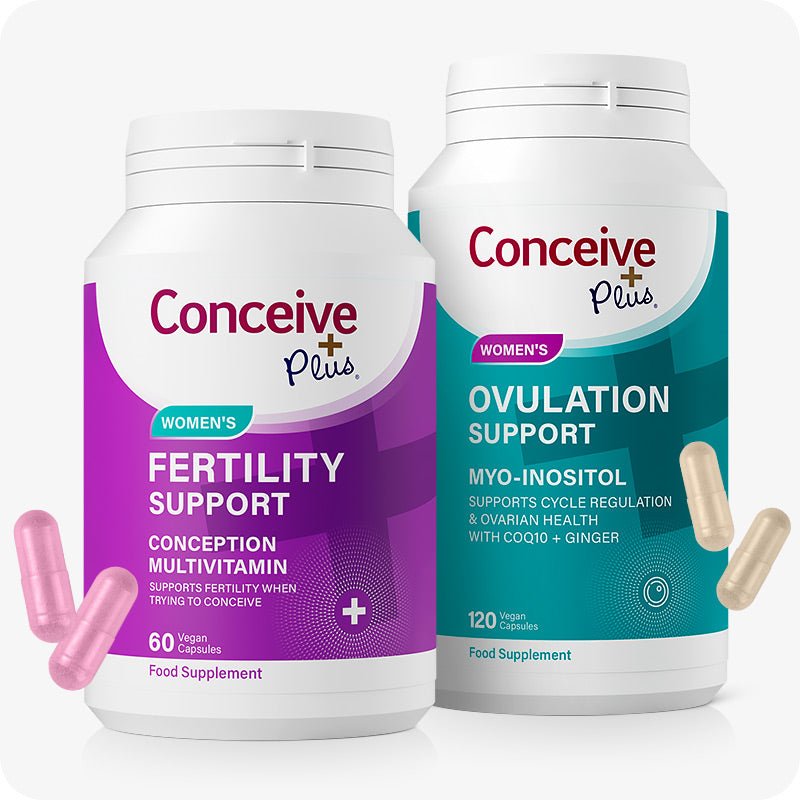
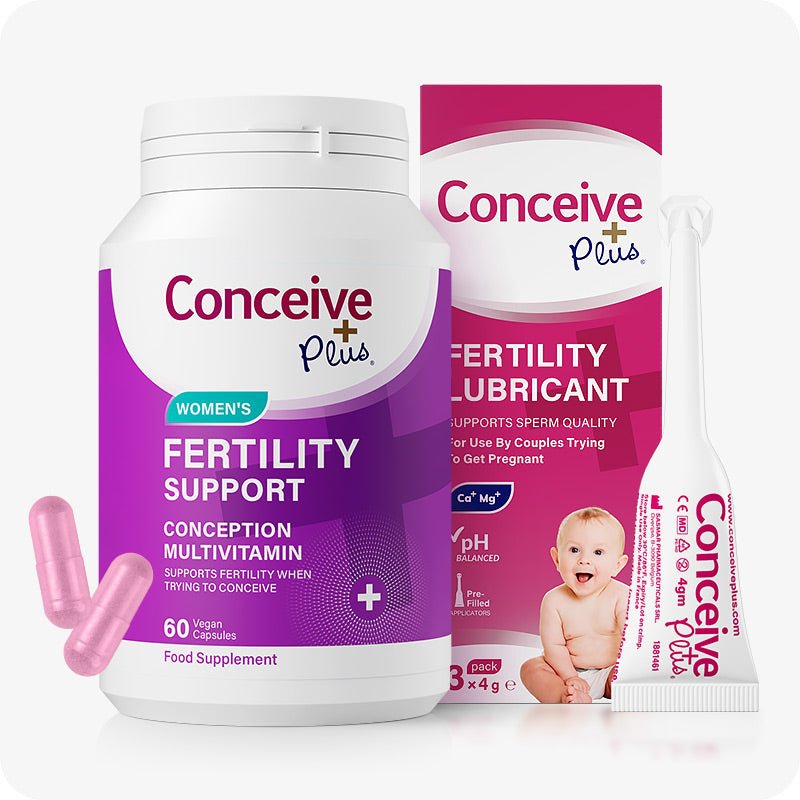
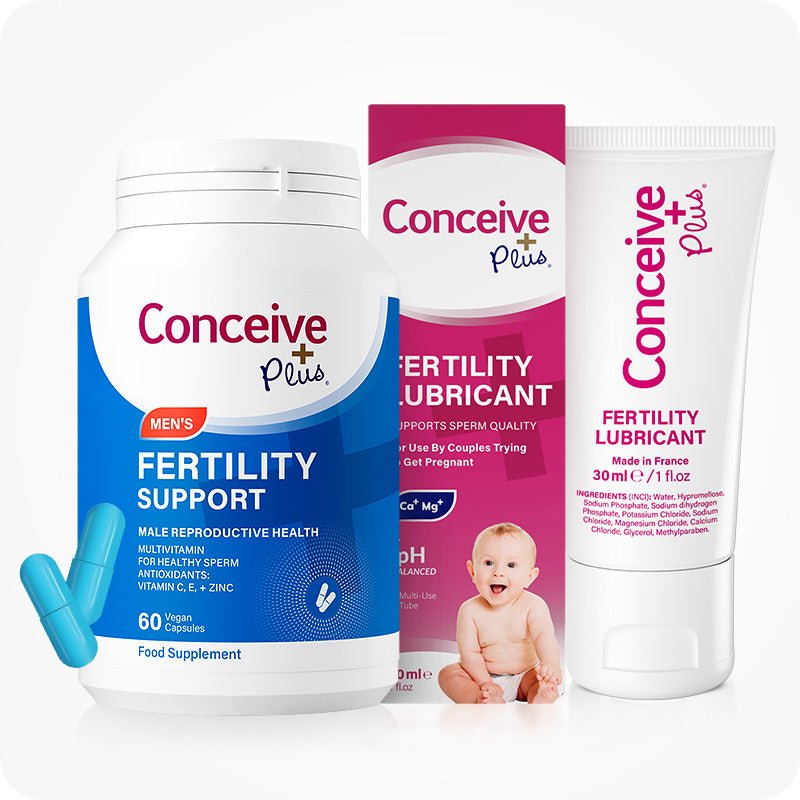
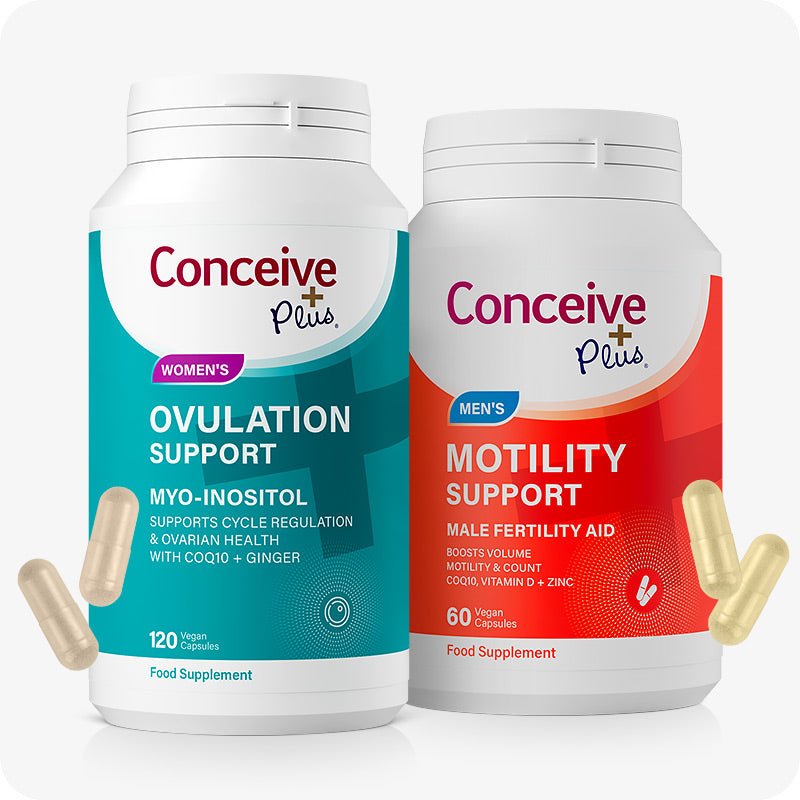
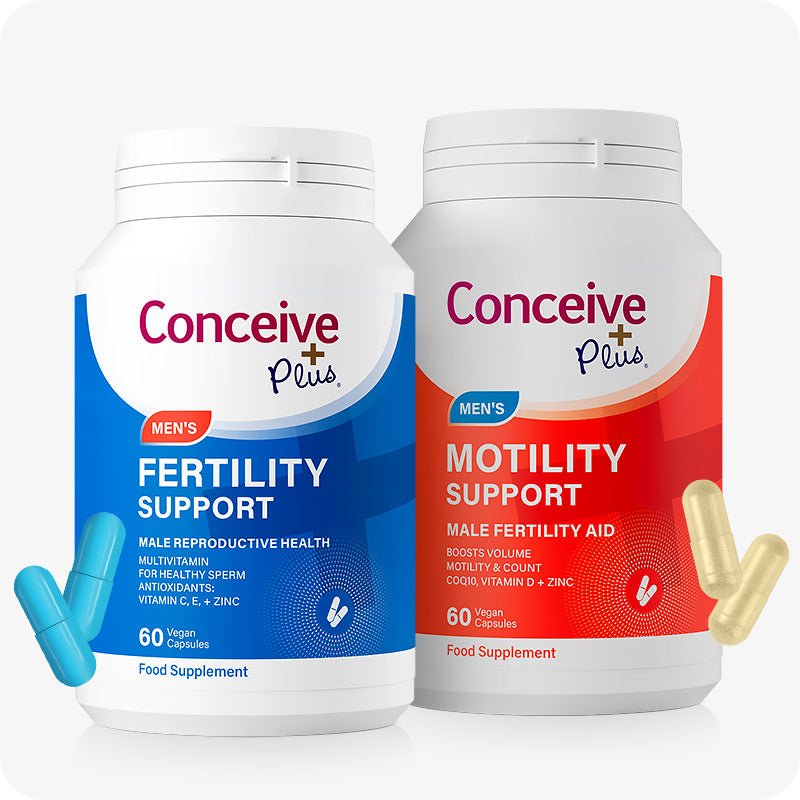
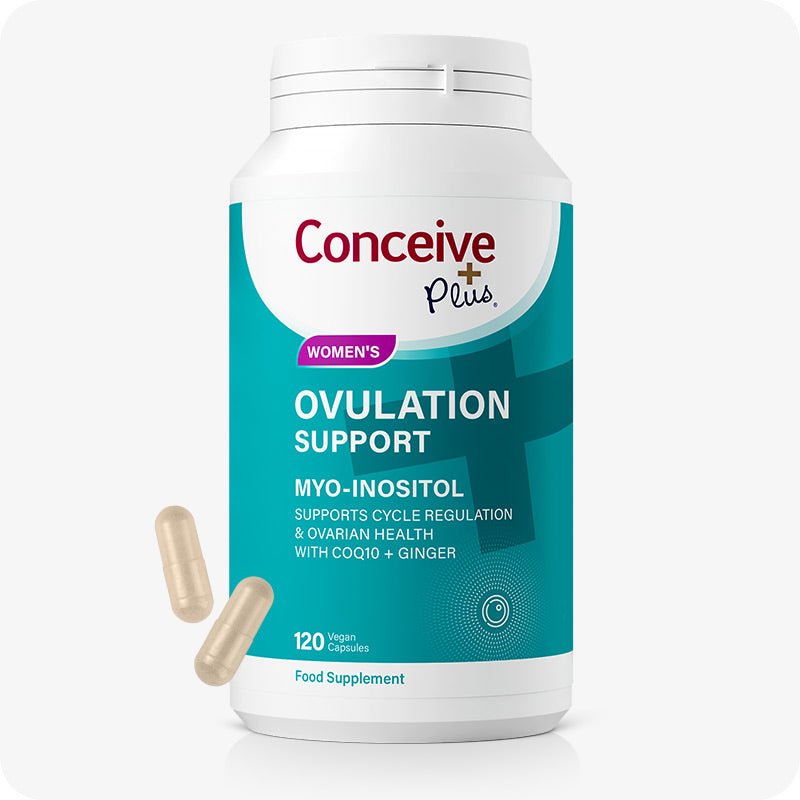
Support Your Fertility Journey with Conceive Plus
Managing stress is an essential part of your fertility journey, but it works best alongside proper nutritional support. The Conceive Plus Fertility Support Range provides the evidence-based nutrients your body needs — including active folate, CoQ10, and vitamin D3 — so you can focus on reducing stress while knowing your nutritional foundation is covered.