The Best Fertility Supplements for Women: What to Take, When to Start, and What the Research Shows


The Best Fertility Supplements for Women: What to Take, When to Start, and What the Research Shows
If you are trying to conceive, you have likely come across a long list of supplements that promise to support your fertility. From folate and CoQ10 to inositol and vitamin D, the options can feel overwhelming — and the marketing even more so. The good news is that the science has matured considerably in recent years, and we now have a clearer picture of which nutrients genuinely support female reproductive health, which ones are overhyped, and how to build a supplement routine that actually makes sense for your body and your goals.
This guide cuts through the noise. Whether you are just beginning your preconception journey, have been trying for a while, or are preparing for assisted reproduction, you will find evidence-based guidance on what to take, when to start, and what the research really shows.
Why Fertility Supplements Matter for Women
Female fertility is a complex, dynamic system influenced by hormonal balance, egg quality, uterine health, and broader metabolic function. While no supplement can override structural issues or replace medical care, nutrition plays a foundational role in every aspect of reproductive health — from follicular development to implantation and early pregnancy.
Research published in Human Reproduction and other leading journals has consistently shown that nutritional deficiencies are more common among women trying to conceive than previously recognised. A 2020 review found that iron deficiency affects approximately 30% of reproductive-age women across Europe, while vitamin D insufficiency — defined as serum levels below 50 nmol/L — is present in over 40% of the European population, with significant implications for fertility and pregnancy outcomes.
Modern diets, even relatively healthy ones, often fall short of the micronutrient targets needed to support optimal reproductive function. Increased demand during preconception and early pregnancy — combined with lifestyle factors like stress, disrupted sleep, and environmental toxin exposure — means that many women benefit meaningfully from targeted supplementation alongside a balanced diet.
It is also worth noting that egg development (oogenesis) takes approximately 90 days from initial follicular recruitment to ovulation. This means that the nutritional status of the body three months before conception occurs directly influences egg quality and fertilisation potential. Starting supplementation early is not just a precaution — it is scientifically sound.
Key Nutrients for Female Fertility: What the Research Shows
Premium Fertility Nutrition
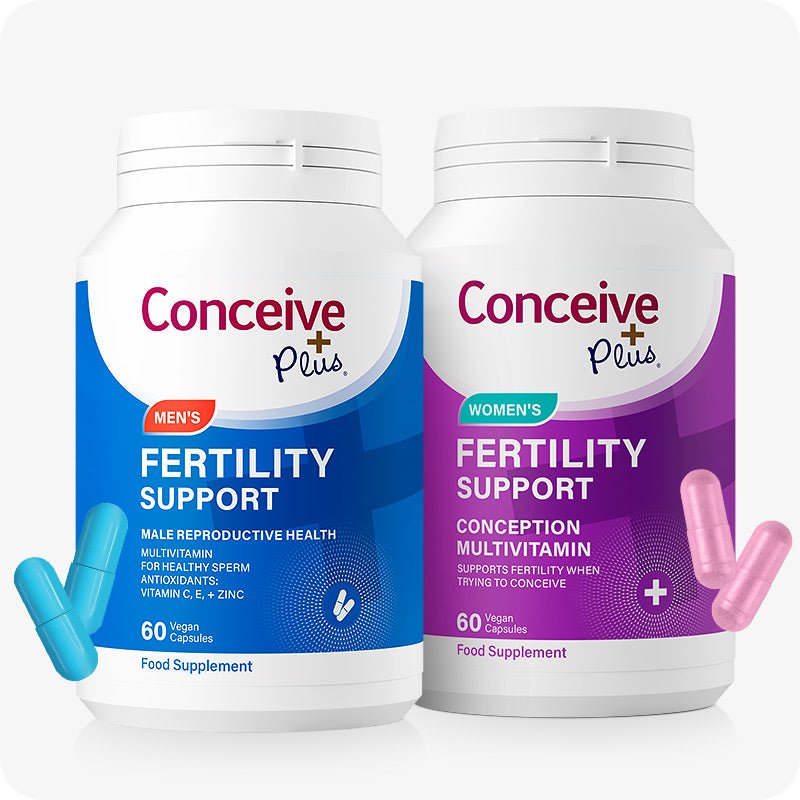
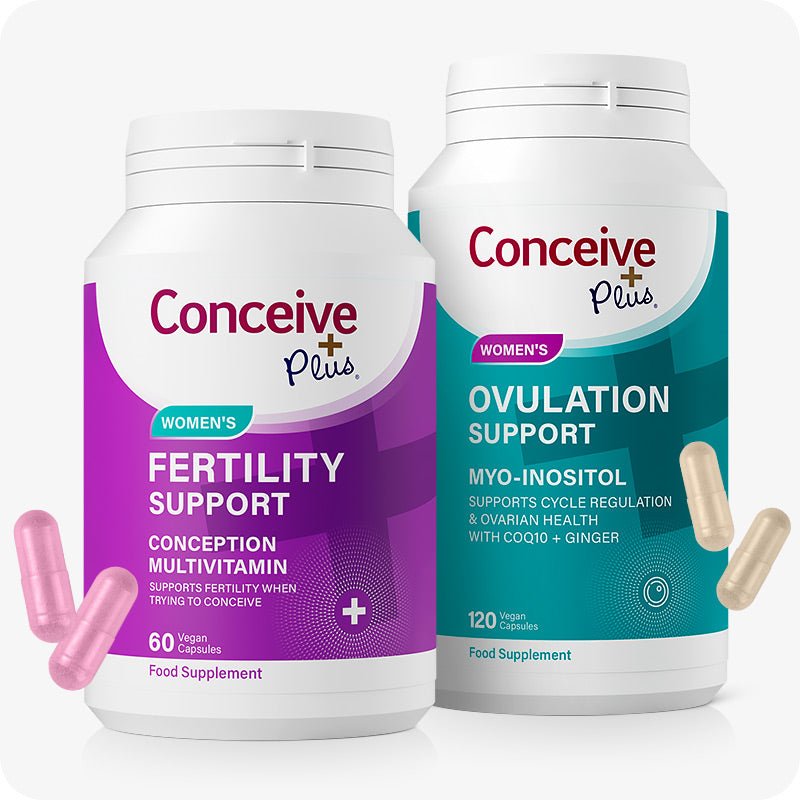
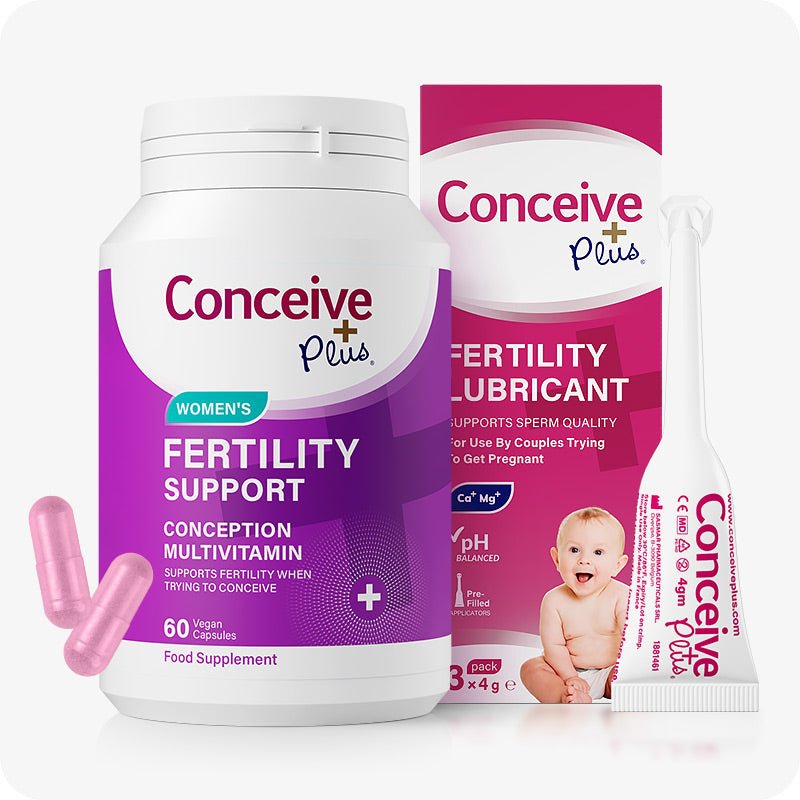
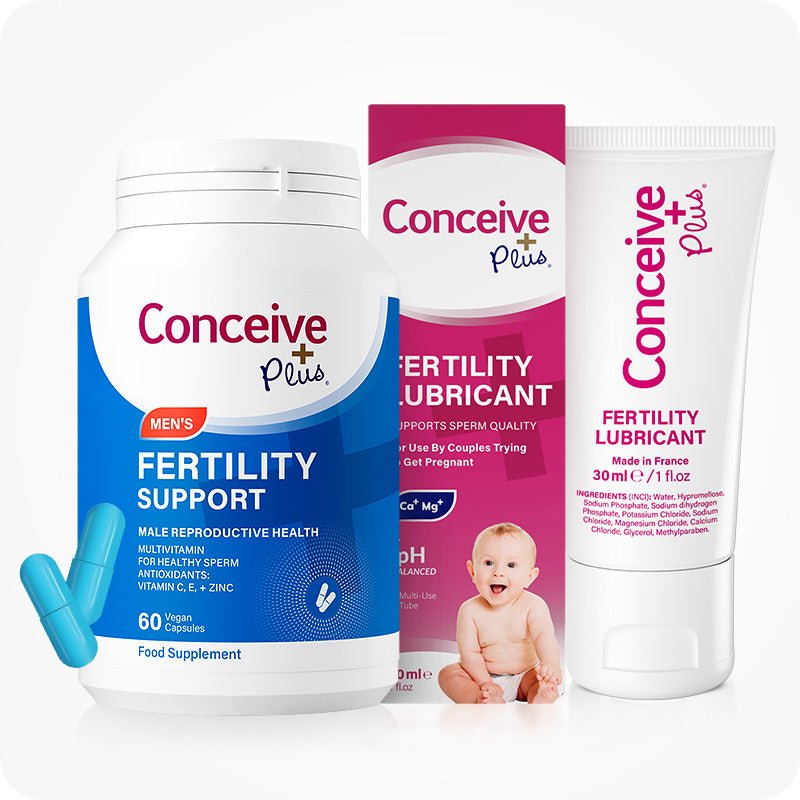
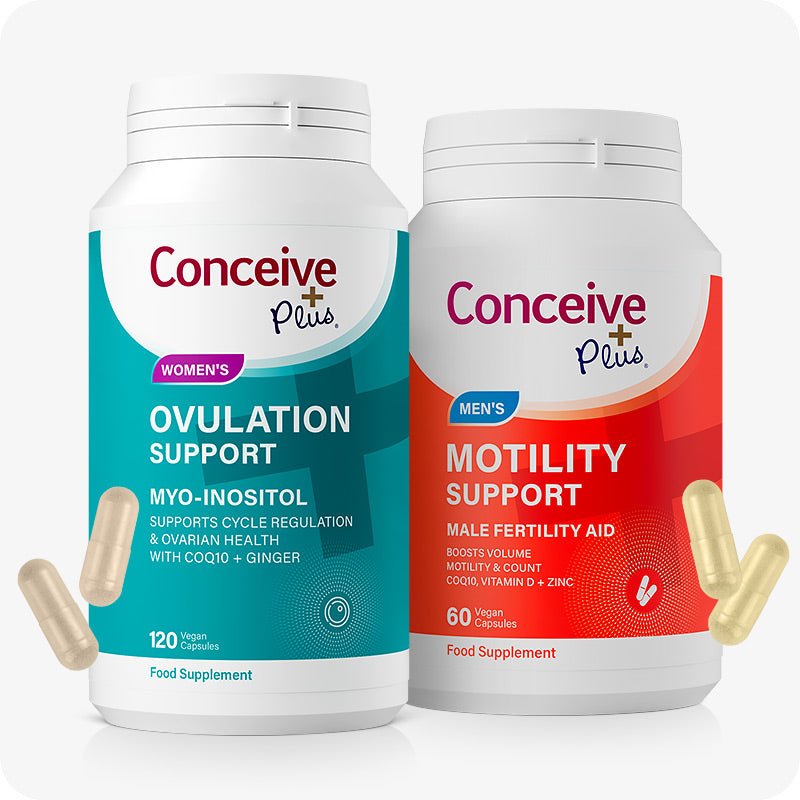
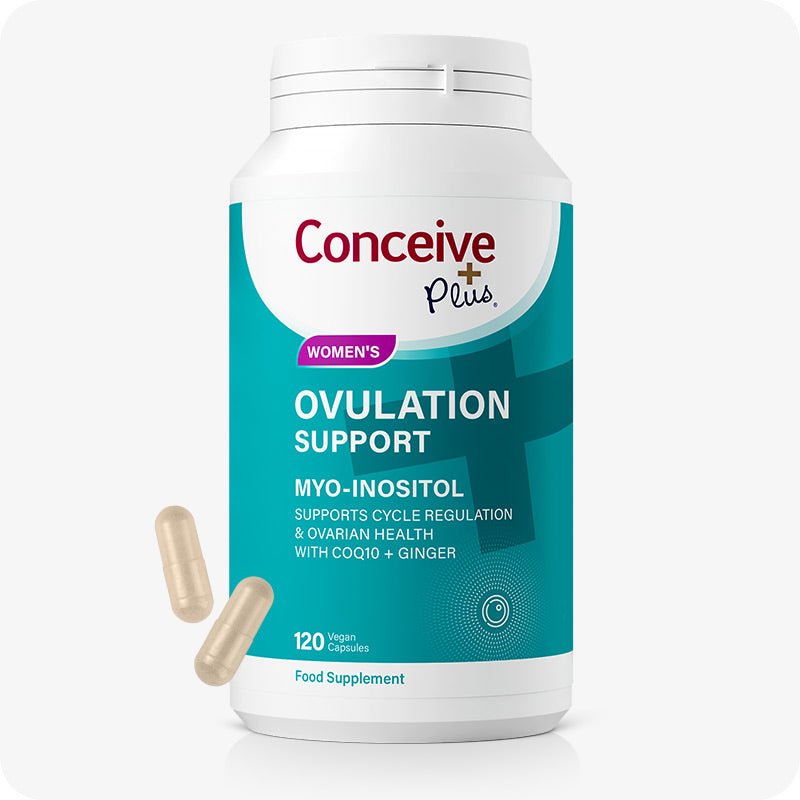
Conceive Plus fertility supplements are formulated with clinically studied ingredients to support female reproductive health — from egg quality to hormonal balance. Trusted by women across Europe.
Explore Our Products →Folate (5-MTHF) and Folic Acid
Folate is perhaps the most well-established fertility and preconception nutrient. It is essential for DNA synthesis, cell division, and the prevention of neural tube defects (NTDs) in early fetal development. The European Food Safety Authority (EFSA) recommends that women planning a pregnancy supplement with at least 400 mcg of folic acid daily, starting at least one month before conception and continuing through the first trimester.
However, there is an important nuance here. Approximately 40–60% of the population carries variants in the MTHFR gene that reduce the body's ability to convert synthetic folic acid into its active form, 5-methyltetrahydrofolate (5-MTHF). Women with these variants benefit more from supplementing with active folate (5-MTHF) directly, which the body can utilise without conversion. Premium fertility supplements now routinely include methylfolate rather than synthetic folic acid for this reason.
Beyond NTD prevention, adequate folate status supports healthy ovulation. A 2012 prospective cohort study found that women with higher folate intakes had a significantly lower risk of ovulatory infertility.
CoQ10 (Coenzyme Q10)
CoQ10 is one of the most discussed fertility supplements of the past decade, and with good reason. It is a powerful antioxidant naturally present in every cell of the body, where it plays a central role in mitochondrial energy production. Egg cells (oocytes) are among the most metabolically demanding cells in the human body — they require enormous amounts of ATP to mature, fertilise, and support early embryonic development. Mitochondrial function in the oocyte is directly linked to egg quality.
CoQ10 levels naturally decline with age, beginning in the mid-twenties. A landmark study published in Aging Cell by Dr. Robert Casper's group at the University of Toronto demonstrated that CoQ10 supplementation significantly improved ovarian response and egg quality in ageing mice, and subsequent human trials have supported similar benefits. A 2018 randomised controlled trial in women undergoing IVF found that CoQ10 supplementation was associated with improved ovarian response, higher fertilisation rates, and better embryo quality.
Typical study doses range from 200 mg to 600 mg per day, with the ubiquinol form (the reduced, more bioavailable form) generally preferred for women over 35 or those with known egg quality concerns.
Vitamin D
Vitamin D is far more than a bone health nutrient. Vitamin D receptors are found throughout the reproductive system — in the ovaries, uterus, and endometrium — and research consistently shows that adequate vitamin D levels are associated with improved fertility outcomes in both natural conception and assisted reproduction.
A meta-analysis published in Human Reproduction Update in 2019 found that vitamin D-sufficient women undergoing IVF were significantly more likely to achieve clinical pregnancy than vitamin D-deficient women. The effect was particularly pronounced for embryo implantation rates, suggesting a role in uterine receptivity.
In Europe, vitamin D deficiency is endemic, particularly in northern latitudes and during winter months. The recommended supplemental dose for women trying to conceive typically ranges from 1,000 to 2,000 IU daily, though women with confirmed deficiency (serum 25-OH-D below 50 nmol/L) may require higher doses under medical supervision. Getting your vitamin D level tested is a worthwhile step before or during your preconception planning.
Omega-3 Fatty Acids (EPA and DHA)
Omega-3 fatty acids — particularly DHA (docosahexaenoic acid) and EPA (eicosapentaenoic acid) — support fertility through multiple pathways. They help regulate prostaglandin production and inflammatory responses that affect ovulation and implantation, support healthy blood flow to the reproductive organs, and are critical for fetal brain and eye development from the earliest stages of pregnancy.
A prospective cohort study published in Human Reproduction in 2019 found that women with higher omega-3 fatty acid levels had a significantly greater chance of live birth following fertility treatment. Additionally, omega-3s have been shown to extend the reproductive lifespan of oocytes in animal models, possibly by reducing oxidative stress and improving mitochondrial function.
The typical preconception recommendation is 500–1,000 mg of combined EPA and DHA daily. Algae-based DHA is an excellent option for women who do not consume fish or prefer a plant-based source, and it is free from concerns about heavy metal contamination.
Iron
Iron plays a critical role in ovulatory function and early pregnancy. Iron deficiency — even without full anaemia — has been linked to anovulation (the absence of ovulation) and reduced fertility. The Nurses' Health Study II, one of the largest prospective studies of diet and female fertility, found that women with higher non-haem iron intakes had a significantly lower risk of ovulatory infertility.
Iron requirements increase significantly during pregnancy, making preconception iron status particularly important. However, not all women need to supplement with iron — excess iron can be harmful, and women with conditions such as haemochromatosis must avoid additional supplementation. A blood test to check ferritin (stored iron) levels before beginning supplementation is strongly recommended.
For women who do need additional iron, gentle, well-absorbed forms such as ferrous bisglycinate are preferable to ferrous sulphate, which is associated with higher rates of gastrointestinal side effects.
Zinc
Zinc is involved in every stage of female reproduction, from follicular development and egg maturation to fertilisation and implantation. It acts as a cofactor for over 300 enzymes and plays a specific role in regulating the hormones — including FSH, LH, and progesterone — that govern the menstrual cycle.
Zinc also has potent antioxidant properties that help protect the oocyte from oxidative damage during maturation. A study published in PLOS ONE found that intrafollicular zinc concentrations were positively associated with egg maturity and fertilisation success in women undergoing IVF. The recommended dietary intake for women of reproductive age is 7–8 mg/day (EU RDA), with preconception supplements often providing 15–25 mg to account for the increased demands of the reproductive system.
Inositol (Myo-Inositol and D-Chiro-Inositol)
Inositol deserves particular attention, especially for women with PCOS (polycystic ovary syndrome) or insulin resistance. Myo-inositol and D-chiro-inositol are naturally occurring compounds that act as secondary messengers in insulin signalling pathways. In the ovary, they support FSH signal transduction and follicular development.
Dozens of clinical trials have now demonstrated that myo-inositol supplementation — typically at 2,000–4,000 mg daily, often combined with D-chiro-inositol in a physiological 40:1 ratio — significantly improves menstrual regularity, ovulation rates, and metabolic markers in women with PCOS. A 2020 systematic review and meta-analysis published in Nutrients found that inositol supplementation was associated with improved oocyte quality, reduced miscarriage rates, and better pregnancy outcomes in PCOS patients undergoing IVF.
Inositol is also increasingly studied for its role in improving egg quality in non-PCOS women, particularly those with elevated FSH or diminished ovarian reserve, though more research is ongoing in these populations.
When to Start Taking Fertility Supplements Before Conception
The ideal time to begin a fertility supplement routine is at least three months before you plan to start trying to conceive. This timeline aligns with the approximately 90-day cycle of follicular development — the process by which a dormant follicle is recruited, matures, and produces an egg that will be available for ovulation in a given cycle.
Starting early gives key nutrients — particularly CoQ10, folate, vitamin D, and omega-3s — time to reach optimal tissue concentrations. It also allows any deficiencies identified through blood testing to be corrected before conception occurs, when the nutritional environment in which the egg develops is already set.
For folate specifically, the European guidance is clear: supplementation should begin at least one month before conception attempts, with three months being optimal for achieving adequate tissue stores. Given that approximately half of pregnancies in Europe are unplanned, health authorities often recommend that all women of reproductive age maintain adequate folate intake as a baseline.
If you are preparing for IVF or other assisted reproductive technologies, your clinic may have specific recommendations about timing and dosage. In general, beginning a comprehensive fertility supplement routine three to six months before egg retrieval is considered best practice by many reproductive specialists.
Supplements for Specific Conditions: PCOS, Endometriosis, and Poor Egg Quality
PCOS (Polycystic Ovary Syndrome)
PCOS affects approximately 1 in 10 women of reproductive age across Europe and is one of the leading causes of ovulatory infertility. The condition involves insulin resistance, hormonal imbalance (elevated androgens), and chronic low-grade inflammation — all of which can be addressed, at least in part, through targeted supplementation.
Key supplements for women with PCOS include:
- Myo-inositol (2,000–4,000 mg/day): The most evidence-backed intervention for improving insulin sensitivity, restoring ovulation, and supporting hormonal balance in PCOS.
- Vitamin D: Vitamin D deficiency is extremely common in women with PCOS and has been linked to worsened insulin resistance and menstrual irregularity. Correcting deficiency often improves cyclical function.
- Omega-3 fatty acids: Help reduce the low-grade inflammation that underlies much of the metabolic dysfunction in PCOS.
- Chromium and magnesium: Support insulin signalling and glucose metabolism. Both are often suboptimal in women with PCOS.
- N-acetyl cysteine (NAC): An antioxidant precursor that has shown promising results in improving ovulation induction response in PCOS, though it is less commonly included in standard fertility supplements.
Endometriosis
Endometriosis affects approximately 10% of women of reproductive age and is associated with chronic inflammation, oxidative stress, and immune dysregulation — all of which can impair fertility. While supplements cannot treat endometriosis itself, targeted nutrition can support the underlying inflammatory and oxidative burden.
Research-supported supplements for women with endometriosis include:
- Omega-3 fatty acids: High-quality evidence suggests that omega-3 supplementation can reduce endometriosis-associated inflammation and pain, and may slow lesion progression.
- Vitamin D: Low vitamin D levels are disproportionately common in women with endometriosis. Adequate vitamin D appears to have immunomodulatory effects that may reduce disease activity.
- Antioxidants (vitamin C, vitamin E, CoQ10): Oxidative stress is elevated in the peritoneal environment of women with endometriosis. Antioxidant supplementation may help protect eggs from oxidative damage in this environment.
- Zinc: Anti-inflammatory and important for immune regulation; often found to be lower in women with endometriosis.
Poor Egg Quality / Diminished Ovarian Reserve
For women with elevated FSH, low AMH, or a history of poor response to ovarian stimulation, addressing egg quality through supplementation is one of the most promising preconception strategies available. The key nutrients here are:
- CoQ10 (200–600 mg/day, ubiquinol form): The strongest evidence base for improving oocyte mitochondrial function and egg quality, particularly in older women or those with diminished reserve.
- DHEA (dehydroepiandrosterone): Often recommended by reproductive endocrinologists for women with poor ovarian response, though it should only be used under medical supervision.
- Melatonin: A powerful antioxidant that is naturally present in follicular fluid. Some studies suggest melatonin supplementation may protect oocytes from oxidative damage during maturation.
- Methylfolate, vitamin D, and omega-3: Foundational support for overall reproductive health and mitochondrial function.
What to Look for in a Quality Fertility Supplement
Not all fertility supplements are created equal. The supplement market is largely unregulated, meaning that label claims do not always reflect actual product quality, bioavailability, or potency. Here is what to look for when choosing a supplement for reproductive health:
- Active, bioavailable forms of key nutrients: Look for methylfolate (5-MTHF) rather than synthetic folic acid, ubiquinol rather than ubiquinone (CoQ10), and chelated minerals (e.g., zinc bisglycinate, iron bisglycinate) rather than cheap oxide or sulphate forms.
- Third-party testing and GMP manufacturing: Choose supplements produced in facilities certified to Good Manufacturing Practice (GMP) standards. Third-party testing for purity and potency adds an additional layer of quality assurance.
- Clinically relevant doses: Check that the doses of key nutrients align with what has been used in clinical research. A supplement with 50 mcg of CoQ10 per capsule is unlikely to deliver meaningful benefit; most effective study protocols use 200–400 mg per day.
- Absence of unnecessary additives: Avoid supplements with artificial colours, unnecessary fillers, or common allergens if relevant to your health needs.
- Transparency about ingredients and sourcing: Reputable brands are open about where their ingredients come from and how their products are manufactured.
- Formulated for preconception and pregnancy: A specialist fertility supplement will be designed with the specific needs of conception and early pregnancy in mind, rather than being a generic multivitamin repurposed for the market.
Natural Food Sources vs. Supplements: Do You Still Need to Supplement?
A common question is whether a healthy, varied diet makes supplements unnecessary. The honest answer is: for most women trying to conceive, the answer is no — diet alone is not sufficient, and supplementation adds meaningful value.
This is not a criticism of healthy eating — quite the opposite. A Mediterranean-style diet rich in leafy greens, oily fish, legumes, colourful vegetables, and whole grains provides an excellent nutritional foundation and has been independently associated with improved fertility outcomes in European cohort studies. However, even optimal diets routinely fall short in a few key areas:
- Folate: Cooking destroys up to 50–90% of naturally occurring folate in vegetables. Getting 400 mcg of bioavailable folate from food alone is genuinely difficult.
- Vitamin D: Few foods contain meaningful amounts of vitamin D, and sun exposure in northern Europe is insufficient for synthesis for 6–8 months of the year.
- Omega-3 DHA: Unless you eat oily fish two to three times per week (which many women reasonably avoid due to mercury concerns during preconception), dietary DHA is likely to be insufficient.
- CoQ10: Dietary CoQ10 from meat and fish is modest; achieving supplemental doses of 200+ mg from food alone is not feasible.
- Inositol: Although present in fruits, grains, and legumes, therapeutic doses for fertility — particularly for PCOS — are far above what can be consumed through food.
The goal is not to replace good nutrition with supplements, but to use supplementation to close the gaps that diet inevitably leaves — and to provide specific nutrients at doses that research has shown to be effective for reproductive health.
What to Avoid When Trying to Conceive
Knowing what to avoid is as important as knowing what to take. Several supplements and substances can interfere with fertility or pose risks during early pregnancy:
- High-dose vitamin A (retinol): Doses above 10,000 IU of preformed vitamin A (retinol) daily are teratogenic. Check your supplement for retinol content, and choose supplements that provide vitamin A as beta-carotene instead.
- High-dose vitamin E: Excessive supplementation (above 1,000 mg/day) has been associated with adverse reproductive outcomes. Standard doses in multivitamins are safe.
- Herbal supplements with hormonal activity: Many herbal supplements — including chasteberry (Vitex), dong quai, and black cohosh — have hormonal or uterine-stimulating effects. Their safety during the preconception period and early pregnancy is not well established, and they should be used with caution or avoided unless under the guidance of a qualified practitioner.
- Weight-loss supplements and detox products: These often contain stimulants, diuretics, or undisclosed ingredients that may be harmful during preconception. Avoid all weight management supplements when trying to conceive.
- Alcohol and smoking: No safe level of alcohol consumption has been established for preconception or pregnancy. Smoking is associated with accelerated ovarian ageing, reduced ovarian reserve, and significantly poorer fertility outcomes.
- Excessive caffeine: The European Food Safety Authority recommends limiting caffeine to 200 mg/day during pregnancy; the same threshold is sensible during the preconception period.
How Conceive Plus Supports Female Fertility
Conceive Plus has spent over a decade developing premium fertility nutrition specifically for women and couples who are actively trying to conceive. The range is built on a straightforward principle: that supplementation should be grounded in evidence, formulated with pharmaceutical-grade ingredients in bioavailable forms, and designed to meet the real nutritional needs of conception and early pregnancy.
The Women's Fertility Support range includes:
- Active methylfolate (5-MTHF) rather than synthetic folic acid, ensuring maximum bioavailability regardless of MTHFR status
- CoQ10 (ubiquinol) to support mitochondrial energy production in oocytes
- Vitamin D3 at meaningful doses aligned with European fertility research
- Chelated minerals including zinc bisglycinate and iron bisglycinate for superior absorption without gastrointestinal discomfort
- Omega-3 DHA sourced from sustainable algae — suitable for vegans and free from heavy metal concerns
- Inositol formulations for women with PCOS or ovulatory irregularity
All Conceive Plus products are manufactured to GMP standards and formulated without unnecessary additives. The brand is trusted by tens of thousands of women across Europe who are on their journey to conception — whether naturally or with medical support.
A fertility supplement is not a magic solution, but the right one, used consistently and as part of a broader preconception health plan, can make a genuine and meaningful difference to your reproductive health. The evidence is there. The nutrients are real. The only question is whether your supplement is actually delivering them.
Frequently Asked Questions
When should I start taking fertility supplements?
Ideally, at least three months before you plan to start trying to conceive. This aligns with the 90-day cycle of follicular development and gives key nutrients time to reach optimal tissue levels. For folate specifically, European health guidelines recommend starting at least one month before conception, with three months being the evidence-based ideal.
Can fertility supplements improve egg quality?
Yes, particularly in the context of age-related decline or metabolic conditions like PCOS. CoQ10 is the most studied nutrient for egg quality, with clinical evidence showing improved mitochondrial function in oocytes. Antioxidants including vitamin C, vitamin E, and zinc also help protect eggs from oxidative damage during maturation. No supplement can create new eggs, but supporting the health and maturation of existing follicles is both realistic and evidence-based.
Is methylfolate better than folic acid?
For many women, yes. Approximately 40–60% of people carry MTHFR gene variants that reduce the conversion of synthetic folic acid to the active 5-MTHF form. Supplementing with methylfolate directly bypasses this conversion step and ensures your body can use the folate regardless of genetic status. Many fertility-specific supplements now include 5-MTHF as the preferred form.
How much vitamin D should I take for fertility?
The typical recommendation for women trying to conceive is 1,000–2,000 IU daily, with higher doses sometimes appropriate for confirmed deficiency. Given that vitamin D deficiency is extremely common across Europe — particularly in northern countries and during autumn and winter — testing your level before supplementing is a worthwhile step. Aim for a serum 25-OH-D level of at least 75 nmol/L for optimal reproductive health.
Do I need CoQ10 if I am under 35?
CoQ10 is most commonly recommended for women over 35, where age-related decline in natural CoQ10 levels is more pronounced. However, CoQ10 supports oocyte mitochondrial function at any age, and women under 35 with known egg quality concerns, poor IVF response, or elevated FSH may also benefit. For women with no known fertility issues, it remains a reasonable addition to a preconception supplement routine.
Can I take fertility supplements alongside my regular prenatal vitamin?
It depends on the specific supplements involved. Adding additional CoQ10, omega-3, or inositol alongside a comprehensive prenatal is generally safe, but you should check for overlap in fat-soluble vitamins (particularly A, D, E, and K) to avoid excessive intake. Taking very high combined doses of vitamin A in retinol form is a specific concern. If in doubt, speak with your GP, midwife, or pharmacist.
Are inositol supplements safe for PCOS?
Yes. Myo-inositol has an excellent safety profile and has been studied extensively in women with PCOS. It is generally well tolerated at doses of 2,000–4,000 mg per day, with mild gastrointestinal effects occasionally reported at higher doses. Inositol is not recommended during active pregnancy without medical guidance, but it is considered safe and effective for preconception use in PCOS.
Should I stop my fertility supplements once I get a positive pregnancy test?
Not immediately. The first trimester is a critical period of fetal development that depends heavily on adequate nutritional status — particularly folate, vitamin D, omega-3 DHA, and iron. Many fertility supplements are formulated to transition seamlessly into a prenatal supplement. Review the formulation with your midwife or GP to confirm it is appropriate for pregnancy, and pay particular attention to vitamin A levels (preformed retinol should not exceed 3,000 mcg RAE during pregnancy).
What is the best diet to complement fertility supplements?
A Mediterranean-style diet — rich in vegetables, fruits, legumes, oily fish, whole grains, nuts, and olive oil — is consistently associated with improved fertility outcomes in European research. This pattern of eating provides natural antioxidants, anti-inflammatory fats, and a broad spectrum of micronutrients that complement supplementation. Limiting ultra-processed foods, added sugars, and trans fats is also important for hormonal balance and metabolic health.
How long does it take for fertility supplements to work?
Most nutrients require consistent supplementation for at least 8–12 weeks to reach stable tissue concentrations, which is why the standard recommendation is to begin three months before trying to conceive. Some effects — such as improvements in menstrual regularity with inositol in PCOS — may be noticeable within 2–3 cycles. Egg quality improvements take longer, as they depend on the full 90-day follicular development cycle. Patience and consistency are key.
Nourish Your Fertility
The right supplements can make a meaningful difference. Conceive Plus delivers pharmaceutical-grade fertility nutrition, backed by science and trusted by thousands of European couples.
Shop Conceive Plus →