IVF Preparation: Your Complete Guide to Preparing for IVF Treatment


IVF Preparation: Your Complete Guide to Preparing for IVF Treatment
Starting IVF is one of the most significant medical decisions a couple can make. IVF preparation — the period of physical, nutritional, and emotional optimisation before your treatment cycle begins — can meaningfully influence outcomes. Research consistently shows that the months leading up to stimulation affect egg quality, embryo development, and ultimately, the chance of a successful pregnancy.
This comprehensive guide covers everything you need to know about IVF preparation: from the scientific evidence on nutrition and supplements to practical lifestyle strategies and emotional wellbeing support.
Why IVF Preparation Matters
IVF success rates are influenced by many factors — age, diagnosis, clinic protocols — but the quality of eggs and sperm entering the treatment cycle is within your control. Eggs that develop over the 90-120 days before retrieval are shaped by the nutritional environment, oxidative stress levels, and hormonal milieu of that period. Similarly, sperm produced during the 74 days before an IVF cycle are affected by lifestyle and nutrition choices made months before treatment begins.
A 2019 study in Human Reproduction found that women following a Mediterranean dietary pattern had a 65–68% higher probability of achieving a clinical pregnancy and live birth through IVF compared to those with low adherence. This is one of the strongest dietary associations with IVF success ever documented.
Nutrition for IVF Preparation
The evidence base for IVF preparation nutrition is now substantial. The Mediterranean diet — rich in olive oil, vegetables, legumes, whole grains, fish, and nuts — consistently outperforms Western dietary patterns in IVF outcomes research.
Key nutritional priorities during IVF preparation:
- Antioxidants: Protect eggs from oxidative damage during stimulation. Prioritise colourful vegetables, berries, nuts, and olive oil.
- Omega-3 fatty acids: DHA is incorporated into egg and embryo cell membranes. Aim for 2+ servings of oily fish per week, or algae-based DHA supplements.
- Folate: Critical for DNA synthesis in rapidly dividing cells — including the developing embryo. Supplement with methylfolate 400–800 mcg/day.
- Vitamin D: Vitamin D receptors are present in granulosa cells surrounding follicles. Deficiency is associated with significantly lower IVF success rates. Check and optimise serum levels before your cycle.
- Low-glycaemic carbohydrates: Insulin resistance — worsened by high-GI foods — is associated with poorer IVF outcomes, particularly in women with PCOS.
Supplements for IVF Preparation
Targeted supplementation is a cornerstone of evidence-based IVF preparation. The following nutrients have the strongest clinical evidence:
CoQ10 (Coenzyme Q10)
CoQ10 is the single most researched supplement for IVF egg quality. Eggs require enormous amounts of ATP energy for the meiotic division that occurs during final maturation — and this energy comes almost entirely from mitochondria. CoQ10 is a critical mitochondrial cofactor that declines with age, correlating with the age-related decline in egg quality.
A landmark clinical trial (Bentov et al., 2014) found that CoQ10 supplementation at 600 mg/day improved mitochondrial function in older eggs and was associated with higher fertilisation rates. The Toronto protocol used by many fertility clinics recommends starting CoQ10 3 months before egg retrieval. Dose: 600 mg/day as ubiquinol for women over 35; 300 mg/day may be sufficient for younger women.
DHEA (Dehydroepiandrosterone)
DHEA is an androgen precursor that supports follicular development and may improve ovarian response in women with diminished ovarian reserve (DOR). Multiple studies and a Cochrane systematic review suggest DHEA supplementation (25–75 mg/day for 6–12 weeks before IVF) may improve egg yield, embryo quality, and live birth rates in poor responders. Should only be used under medical supervision.
Melatonin
Follicular fluid naturally contains melatonin, which protects the developing egg from oxidative stress during the final stages of maturation. A Japanese RCT found that melatonin supplementation (3 mg at bedtime) significantly improved fertilisation rates and pregnancy outcomes in poor responders with high oxidative stress in follicular fluid.
Inositol (Myo-Inositol and D-Chiro-Inositol)
Particularly relevant for women with PCOS, inositol improves insulin sensitivity and oocyte quality. A 40:1 ratio of myo-inositol to D-chiro-inositol (mirroring physiological follicular fluid concentrations) is supported by the strongest evidence. Multiple RCTs show inositol improves oocyte maturation rates and embryo quality in women with PCOS undergoing IVF.
Vitamin D
A 2019 meta-analysis of 11 RCTs found that vitamin D-sufficient women had significantly higher IVF clinical pregnancy rates compared to deficient women. Ensure serum 25(OH)D is ≥40 ng/mL before starting a cycle. Supplement with 2,000–5,000 IU/day based on baseline levels.
Male Partner IVF Preparation
Male factors are often overlooked in IVF preparation, but sperm DNA fragmentation has a direct negative impact on fertilisation rates, embryo development, and live birth rates — even in ICSI cycles. Men should begin their own IVF preparation protocol 3 months before the planned egg retrieval date.
Male IVF preparation essentials:
- CoQ10: 200–400 mg/day to support sperm motility and reduce DNA fragmentation
- Antioxidant complex: Vitamin C (500 mg), vitamin E (400 IU), selenium (100 mcg), zinc (25 mg)
- L-carnitine: 2 g/day to support sperm motility
- Avoid heat: No hot tubs or saunas; loose-fitting underwear
- Abstain from smoking and limit alcohol
Lifestyle Optimisation for IVF Preparation
Exercise
Moderate exercise (30 minutes, 3–5 times per week) supports insulin sensitivity, stress reduction, and healthy weight — all beneficial for IVF outcomes. High-intensity training should be moderated during ovarian stimulation to reduce the risk of ovarian torsion (rare, but the risk increases when ovaries are enlarged from stimulation). Yoga, walking, swimming, and gentle cycling are ideal during IVF cycles.
Sleep
Melatonin — naturally produced during sleep — plays a documented role in protecting follicles from oxidative damage. Women with sleep disorders have lower IVF success rates in observational studies. Prioritise 7–9 hours per night and maintain a consistent sleep schedule throughout IVF preparation.
Avoiding Endocrine Disruptors
Environmental chemicals including BPA (bisphenol A), phthalates, and PFAS (found in non-stick cookware) can disrupt hormonal signalling and are associated with poorer IVF outcomes. During IVF preparation, consider switching to glass or stainless steel food storage, avoiding heating food in plastic containers, and choosing BPA-free packaging.
Alcohol and Caffeine
Both partners should ideally avoid alcohol during IVF preparation and the treatment cycle itself. Studies show alcohol reduces IVF success rates even with light consumption. Limit caffeine to ≤200 mg/day (approximately 1–2 cups of coffee).
Emotional Wellbeing During IVF Preparation
IVF is emotionally demanding. The uncertainty, physical demands of stimulation injections, financial stress, and fear of failure create significant psychological burden. Research shows that stress does not directly cause IVF failure — but it does affect adherence, self-care, and relationship quality during the process.
Evidence-based emotional support strategies:
- Mindfulness-Based Cognitive Therapy (MBCT): Reduces anxiety and depression symptoms in women undergoing IVF
- Couples counselling: IVF strains even strong relationships — proactive support maintains connection
- Support groups: Online and in-person IVF communities normalise the experience and reduce isolation
- Setting boundaries: Give yourself permission to decline social events or conversations that feel painful
- Acupuncture: Limited but promising evidence for stress reduction and potentially improved IVF outcomes when performed by qualified practitioners
Timeline for IVF Preparation
An ideal IVF preparation timeline:
- 3+ months before retrieval: Begin CoQ10, antioxidant supplementation, and Mediterranean diet. Both partners start protocols. Vitamin D blood test and supplementation if deficient.
- 2 months before: Refine lifestyle factors (sleep, exercise, alcohol/caffeine). Begin stress management practice.
- 1 month before: Complete pre-treatment tests and consultations. Reduce vigorous exercise. Prepare emotionally with your support network.
- Stimulation phase: Continue supplements (check with your clinic — some advise stopping certain supplements during stimulation). Maintain gentle exercise, optimal nutrition, stress management.
Conceive Plus and IVF Preparation
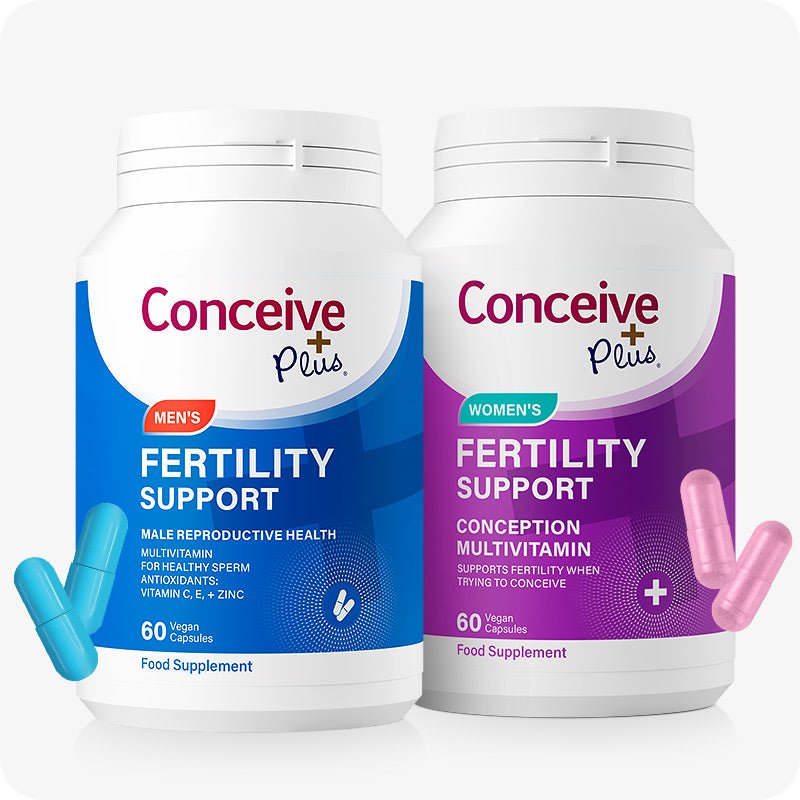
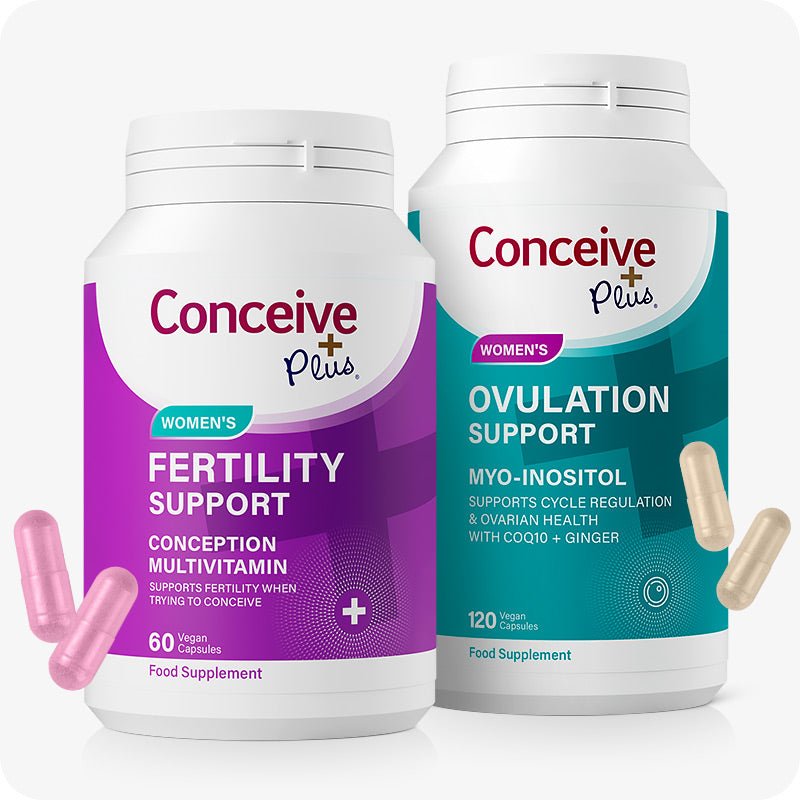
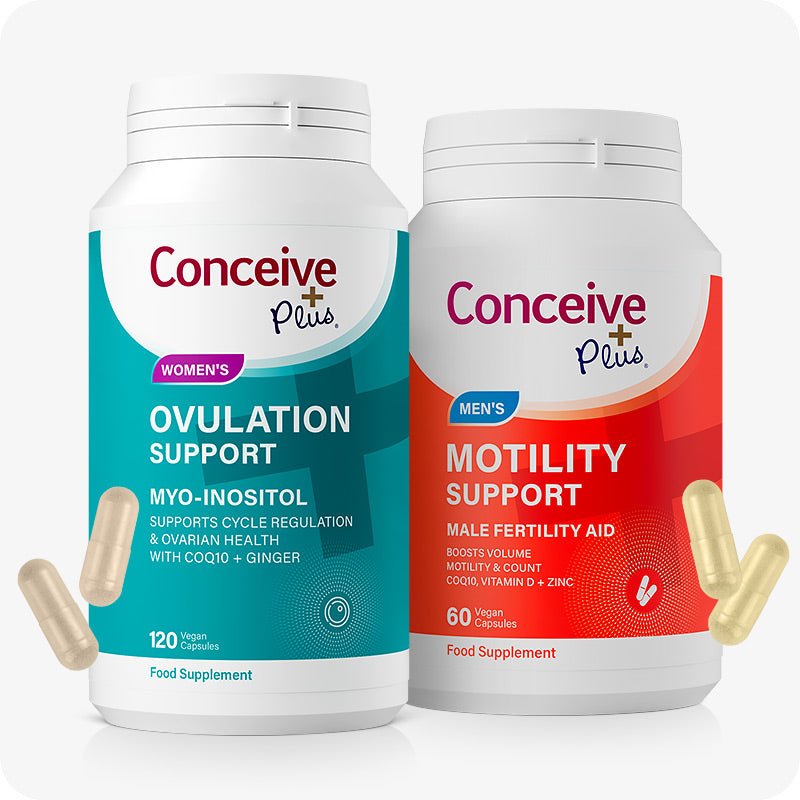
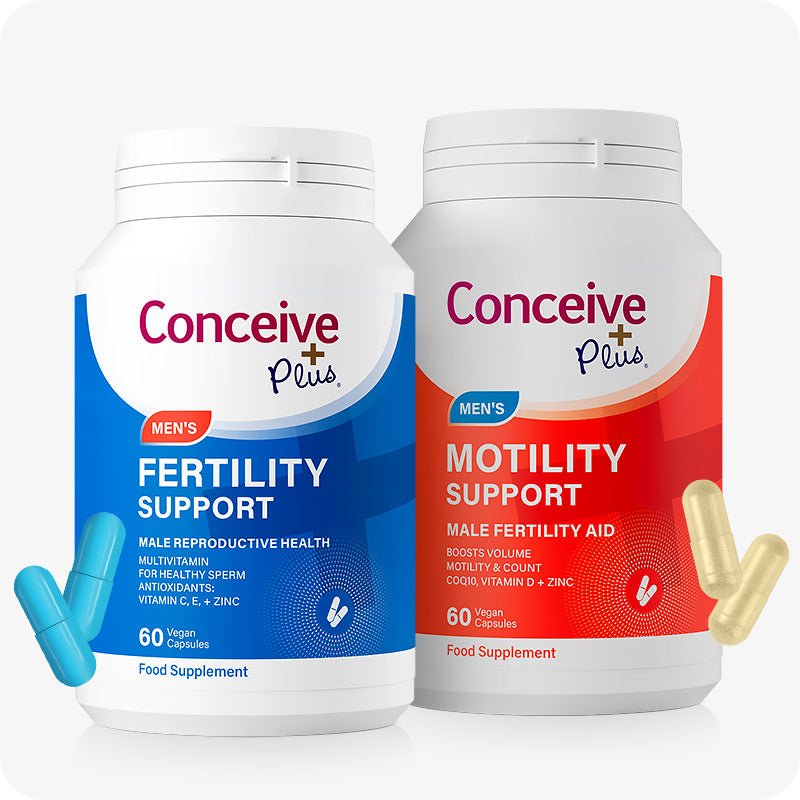
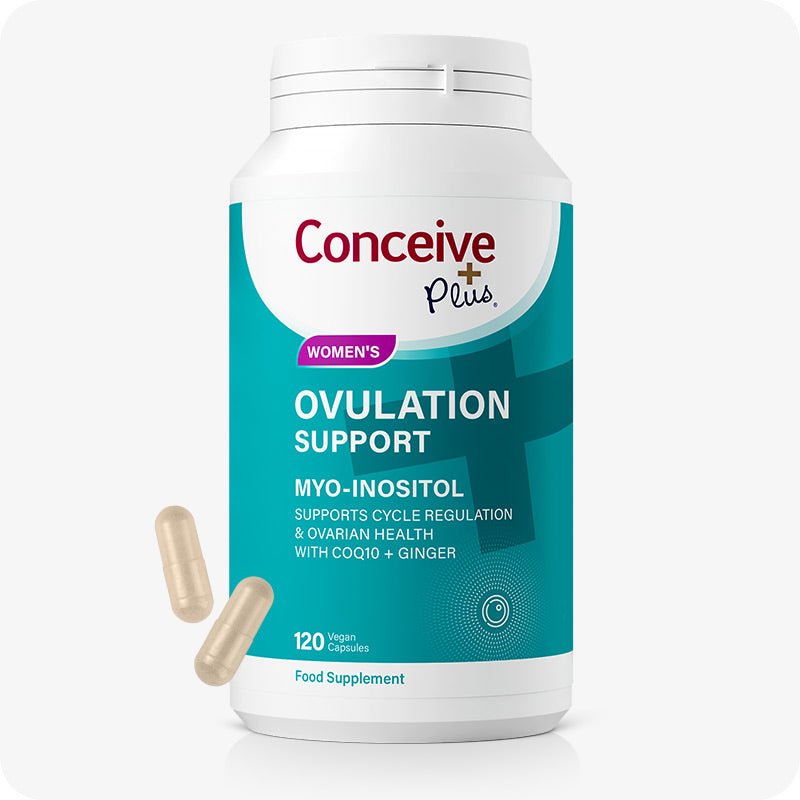
Conceive Plus offers fertility supplements designed to complement IVF preparation protocols — providing the antioxidants, B vitamins, and minerals that support both egg quality and sperm health. The Conceive Plus women's supplement range includes the key nutrients most relevant to follicular development and reproductive hormonal balance.
Optimise your IVF preparation. Explore Conceive Plus fertility supplements — designed to support couples through every stage of their fertility journey.
Frequently Asked Questions About IVF Preparation
Q: How many months before IVF should I start preparing?
A: At minimum 3 months, to align with the full egg and sperm maturation cycles. For women over 35, those with diminished ovarian reserve, or men with sperm abnormalities, starting 4–6 months before the planned retrieval date allows more time for nutritional and lifestyle optimisation to take effect.
Q: Does CoQ10 actually improve IVF success rates?
A: Clinical evidence is encouraging, particularly for women over 35 and poor responders. Several trials have shown improved fertilisation rates and embryo quality with CoQ10 supplementation. The evidence is not yet definitive for improving live birth rates in unselected IVF populations, but the risk-benefit profile strongly favours supplementation.
Q: Should I tell my fertility clinic what supplements I'm taking?
A: Always. Some supplements may interact with IVF medications or be contraindicated during stimulation. Share your complete supplement list at every consultation — a good fertility clinic will help you optimise your protocol.
Q: Is acupuncture during IVF preparation evidence-based?
A: The evidence is mixed. Some meta-analyses show modest benefit in reducing anxiety and improving IVF success rates; others show no effect. Acupuncture is safe and may have indirect benefit through stress reduction. Many couples choose it as part of a holistic IVF preparation approach.
Q: Can improving sperm quality actually help IVF outcomes?
A: Significantly. Sperm DNA fragmentation directly correlates with fertilisation failure, poor embryo development, and increased miscarriage risk — even in ICSI cycles (where a single sperm is injected directly into the egg, physical penetration is bypassed but sperm DNA quality still determines embryo viability). Male IVF preparation is at least as important as female preparation.
Q: What weight is optimal for IVF?
A: BMI between 18.5–25 is associated with best IVF outcomes. Both low BMI (below 18.5, associated with hypothalamic anovulation and poor endometrial response) and high BMI (above 30, associated with poorer egg quality and reduced implantation rates) are linked to lower success rates. Weight management as part of IVF preparation is clinically meaningful.
Q: Is it safe to exercise during IVF stimulation?
A: Gentle exercise (walking, yoga, swimming) is safe and beneficial. High-impact or intense exercise should be avoided during ovarian stimulation due to the small but real risk of ovarian torsion when ovaries are enlarged. Post-retrieval rest is typically recommended for 24–48 hours.
Q: How do I emotionally prepare for a potential failed IVF cycle?
A: Building a support network before the cycle begins — identifying who you'll tell, who you'll lean on if the cycle fails, and how you'll allow yourself to grieve — is an important and often overlooked part of IVF preparation. Working with a fertility counsellor or therapist before you start can give you emotional tools before you need them most.
Ready to begin your IVF preparation journey? Shop Conceive Plus — the fertility supplement brand trusted by couples across Europe.