How to Increase Fertility in Your 30s: A Proactive Guide for 2026


What if the "fertility cliff" you've been warned about is actually a manageable window you can optimize with the right biological tools? While age is a factor, learning how to increase fertility in your 30s is more about precision timing and proactive health than simply racing against a ticking clock.
It's completely normal to feel a surge of anxiety every time you see a negative pregnancy test or read conflicting advice about egg quality. That monthly "two-week wait" can feel like an eternity when you're worried that time is slipping away. You're looking for answers that go beyond generic tips, and you deserve a plan that reflects the 2026 medical landscape.
This guide provides a clear, science-backed roadmap to maximize your chances of natural conception while leveraging 2026 health advancements. We'll explore which supplements actually improve egg quality, how new laws taking effect on January 1, 2026, expand your coverage options, and the exact lifestyle shifts that lower stress to create an optimal environment for your future baby.
Key Takeaways
- Learn how to implement the Mediterranean diet and prioritize complex carbohydrates to regulate insulin levels and optimize egg quality.
- Discover actionable lifestyle shifts, including weight management and stress reduction, to understand how to increase fertility in your 30s by protecting your ovarian reserve.
- Master the art of manual cycle tracking to identify your unique five-day fertile window with more precision than standard apps provide.
- Create a fertility-friendly environment for conception by maintaining optimal vaginal pH and choosing lubricants that support sperm motility.
- Understand the physiological differences between conceiving at age 30 versus 37 to set realistic expectations and proactive reproductive health goals.
Understanding Fertility in Your 30s: Fact vs. Fiction
Many people view their 30th birthday as the start of a stressful countdown, but human biology doesn't work like a light switch. When exploring how to increase fertility in your 30s, it helps to distinguish between egg quantity and egg quality. Quantity refers to your ovarian reserve, the total number of eggs remaining. Quality describes the chromosomal health of those eggs. While your reserve drops steadily throughout the decade, egg quality often remains robust enough for natural conception well into your mid-30s.
The physiological difference between a 30-year-old and a 37-year-old is measurable but frequently exaggerated by "fertility cliff" myths. Scientific data on age and female fertility shows that the monthly chance of natural conception is about 20% for those aged 30 to 34. This number shifts to roughly 15% for those aged 35 to 39. It's a gradual slope rather than a sudden drop. Don't forget that fertility is a shared journey; a male partner’s sperm motility and DNA integrity can also begin to change in his late 30s, making his health just as vital to the process.
To better understand these biological shifts and how to manage them, watch this helpful video:
The Early 30s (30-34): The Optimization Phase
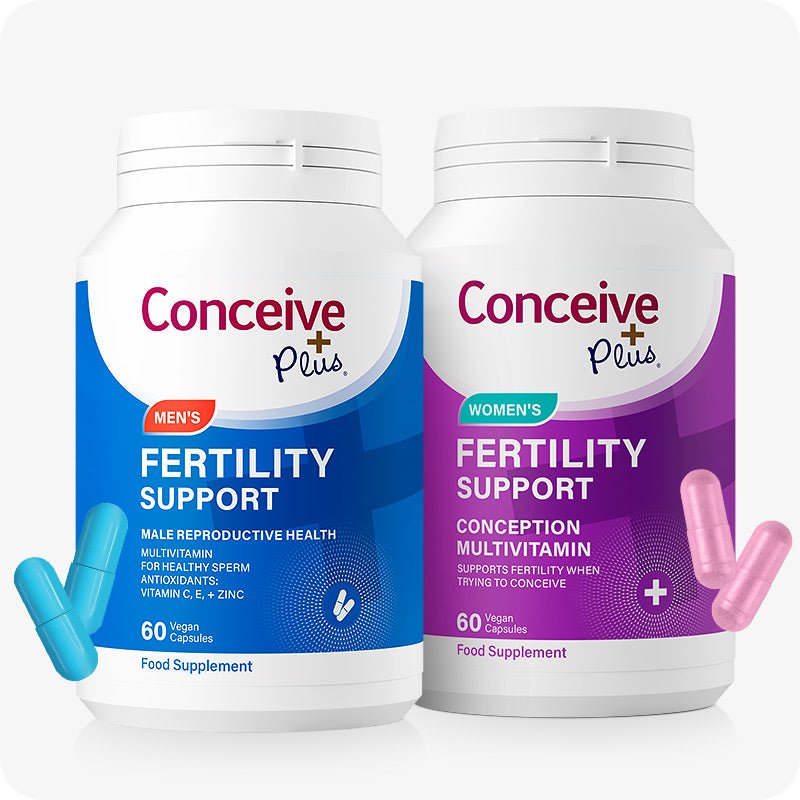
This period is the ideal window for establishing a reproductive baseline. Instead of waiting for challenges to arise, use these years to focus on egg quality preservation. Antioxidants like CoQ10 and folate can protect developing follicles from oxidative stress. Many couples find success by starting targeted fertility support bundles early to ensure their bodies have the necessary micronutrients for a healthy pregnancy. It's about building a foundation before the biological pace picks up.
The Mid-to-Late 30s (35-39): The Precision Phase
As you move past 35, the margin for error with timing narrows. Precision becomes your greatest asset. You should shift your focus toward identifying your exact fertile window each month. Identifying the five days leading up to ovulation is critical because sperm can live inside the reproductive tract for several days, waiting for the egg's release. If you haven't conceived after six months of well-timed intercourse, it's proactive to request an Anti-Müllerian Hormone (AMH) test to get a clear picture of your remaining egg reserve.
Nutritional Foundation: Eating to Boost Egg Quality
Nutrition acts as the biological fuel for your reproductive system. Learning how to increase fertility in your 30s starts with what you put on your plate every day. The Mediterranean diet remains the gold standard for a reason. It focuses on plant-based proteins, healthy fats, and high-fiber grains that reduce systemic inflammation. A thorough Understanding Age and Fertility shows that while biological shifts occur, providing your body with the right raw materials can significantly support your reproductive window and egg health.
Complex carbohydrates like quinoa, sweet potatoes, and oats play a vital role in regulating insulin. When insulin levels spike from refined sugars, it can disrupt the delicate balance of hormones required for ovulation. Similarly, Omega-3 fatty acids found in walnuts and oily fish promote healthy blood flow to the uterus, which is essential for building a receptive lining. Don't overlook simple hydration. Water is the primary component of cervical mucus. Without enough of it, the "highway" sperm use to reach the egg becomes much harder to navigate.
Essential Fertility Supplements for Your 30s
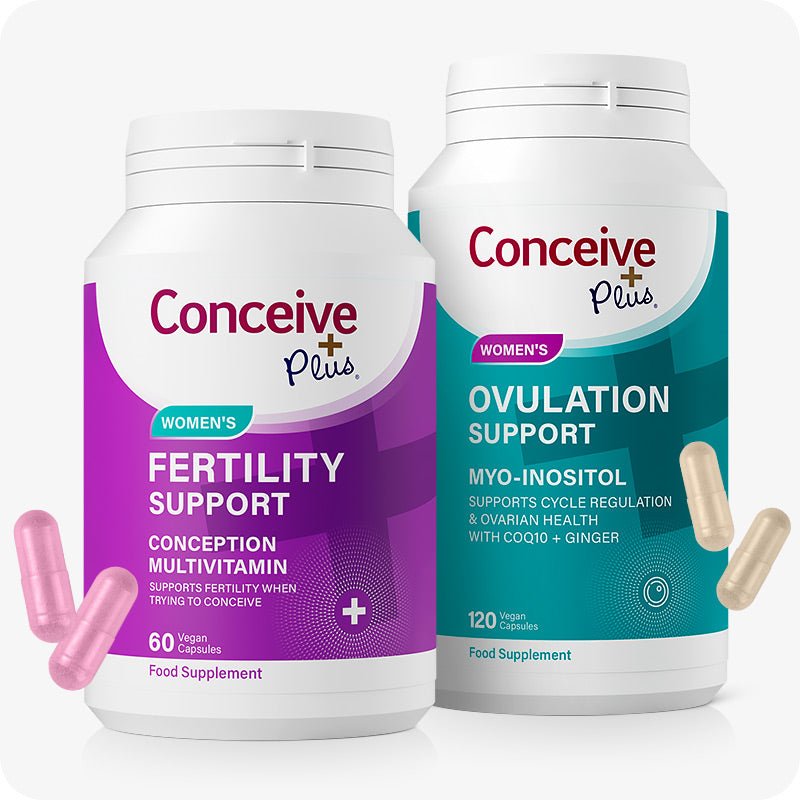
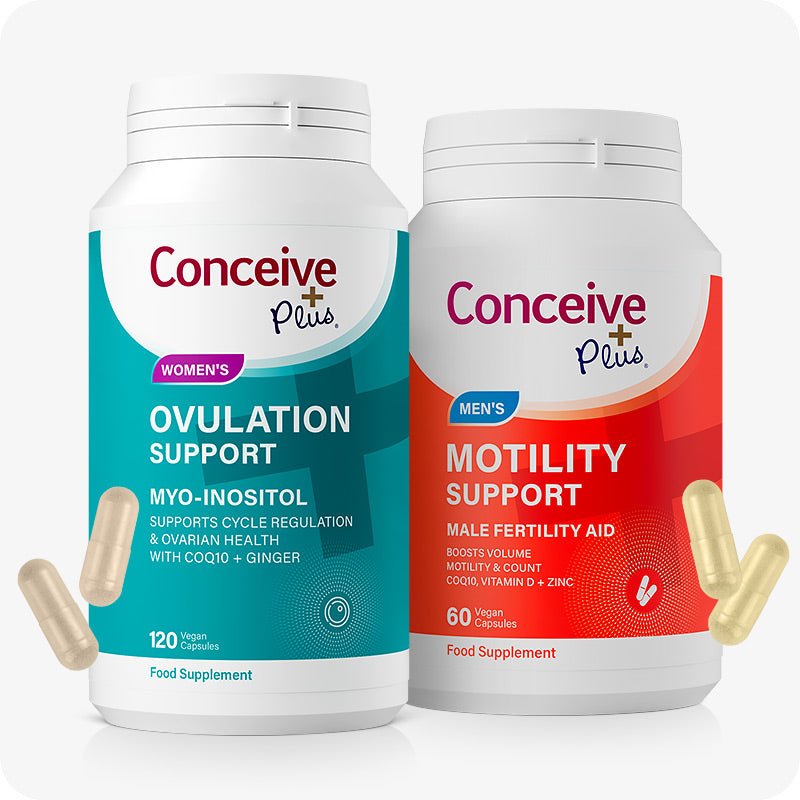
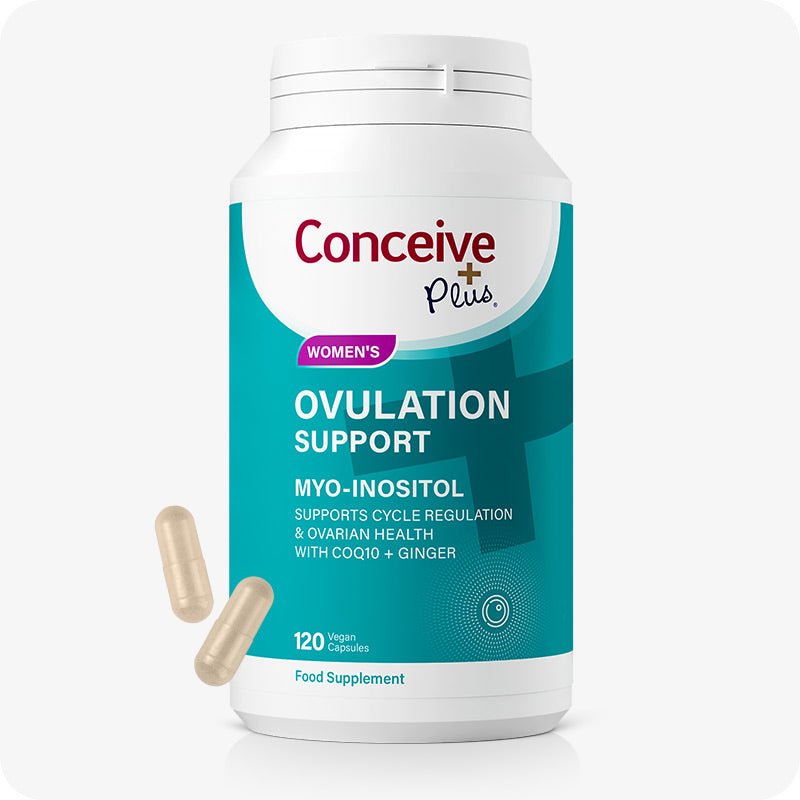
Supplements fill the gaps that diet alone might miss. For a streamlined approach, Conceive Plus Europe fertility bundles provide high-quality formulations designed specifically for this life stage. Focus on these key nutrients:
- Myo-Inositol: This helps improve insulin sensitivity and supports regular ovulation, even for those without a PCOS diagnosis.
- CoQ10 (Ubiquinol): It acts like a battery for your eggs, powering the mitochondria to provide the energy needed for successful fertilization.
- Methylfolate: Always choose this over synthetic folic acid. It's the active form of the vitamin that your body uses immediately for neural tube health.
Foods to Avoid When Trying to Conceive
Just as important as what you add is what you remove. Trans fats found in many fried and packaged foods are strongly linked to ovulatory dysfunction. They trigger inflammation that can interfere with the maturation of eggs. In 2026, clinical consensus suggests keeping caffeine intake below 200mg per day, which is roughly one small cup of coffee. High doses of caffeine can constrict blood vessels and potentially impact conception rates. Reducing processed sugars is also a priority. Sharp glucose spikes can lead to hormonal imbalances that make it harder to track your cycle accurately. If you're ready to optimize your path to parenthood, consider using Conceive Plus Europe to keep your hormones in balance.
Lifestyle Adjustments to Protect Your Ovarian Reserve
Learning how to increase fertility in your 30s requires a holistic look at your daily environment. While you can't create new eggs, you can certainly protect the ones you have. Weight management plays a critical role here because body fat isn't just stored energy; it's an active endocrine organ. Having a BMI that is too high can lead to excess estrogen production, which often prevents regular ovulation. Conversely, a BMI that is too low can signal to your brain that it's not a safe time to carry a pregnancy, causing your cycles to stop entirely. Aiming for a healthy, stable weight helps keep your hormonal signals clear and consistent.
Sleep is another foundational pillar that many people overlook. High-quality rest allows your body to produce melatonin, a hormone that does much more than regulate your sleep-wake cycle. In the context of reproduction, melatonin is a powerful antioxidant found in the fluid surrounding your eggs. It helps shield them from oxidative stress and damage. To maximize this benefit, try to limit blue light exposure at least an hour before bed. This simple shift can improve the cellular environment where your eggs mature.
You should also be mindful of environmental toxins known as endocrine disruptors. Chemicals like BPA and phthalates, often found in plastic containers and scented personal care products, can mimic hormones and interfere with egg development. Swapping plastic water bottles for glass or stainless steel and choosing fragrance-free products are small changes that significantly reduce your total toxic load. Reducing these exposures is a proactive way to support your long-term reproductive health.
Stress Management and Cortisol Control
Chronic stress triggers the "fight or flight" response, which floods your body with cortisol. High levels of this hormone can suppress the hypothalamic-pituitary-ovarian (HPO) axis, the communication line between your brain and your ovaries. When this axis is disrupted, ovulation can become delayed or irregular. Incorporating mind-body techniques like yoga or daily meditation can help lower your baseline stress. It's also helpful to set firm boundaries with friends or family to minimize social "conception pressure," giving your mind the space it needs to stay calm.
Exercise: Finding the "Goldilocks" Zone
When you're focused on how to increase fertility in your 30s, exercise should be moderate rather than intense. High-intensity interval training (HIIT) can sometimes place too much physical stress on the body, potentially signaling that resources are too scarce for pregnancy. Strength training is highly beneficial because it improves metabolic health and insulin sensitivity. Focus on activities like brisk walking, swimming, or moderate weightlifting. If you notice your cycles becoming shorter or disappearing after starting a new routine, it's often a sign that your body is under too much physical strain.
Step-by-Step: Mastering Cycle Tracking and Timing
Relying solely on a smartphone app that uses a standard 28-day algorithm is often insufficient when you're learning how to increase fertility in your 30s. These apps guess based on averages, but your body doesn't always follow a textbook schedule. Precision is everything. To maximize your chances, you need to identify your true fertile window: the five days leading up to ovulation plus the day of ovulation itself. The egg only lives for 12 to 24 hours. Because sperm can survive for up to five days in a healthy reproductive tract, having intercourse during this lead-up is far more effective than waiting for a positive ovulation test.
Luteinizing Hormone (LH) surges act as a green light, signaling that your body is preparing to release an egg within the next 24 to 48 hours. However, a surge alone doesn't guarantee the egg was actually released. This is where Basal Body Temperature (BBT) becomes a powerful ally. By taking your temperature every morning before getting out of bed, you can spot a slight rise of about 0.5 to 1 degree that confirms ovulation has occurred. This two-part verification ensures you aren't just guessing about your peak days.
The 3-Step Multi-Modal Tracking Method
- Step 1: Start with a digital tool. Use an ovulation calculator to estimate when your window begins based on your last few cycles. This gives you a baseline for more intensive tracking.
- Step 2: Observe your cervical mucus. As you approach ovulation, your body produces "egg white" cervical mucus that is clear, stretchy, and slippery. This substance protects sperm and helps it swim toward the egg.
- Step 3: Confirm with LH test strips. Start testing once your mucus changes. When the test line is as dark or darker than the control line, your peak fertility is here.
Understanding Your Luteal Phase
The luteal phase is the time between ovulation and your next period. In your 30s, a decline in progesterone can lead to a "short" luteal phase of less than 10 days. If this phase is too short, the uterine lining may begin to shed before a fertilized egg has a chance to implant. Signs of low progesterone include spotting before your period or a very short cycle. Tracking these days is a vital part of knowing how to increase fertility in your 30s by ensuring your body has enough time to sustain a pregnancy. If you want to support your body throughout every phase of your cycle, explore fertility support products designed to optimize your reproductive health.
Creating a Fertility-Friendly Environment for Conception
Optimizing your internal biology is a significant achievement, but the physical environment where conception occurs is the final piece of the puzzle. Many people don't realize that the vaginal pH level is naturally acidic to protect against infection, but this environment is often hostile to sperm. During your fertile window, your body produces alkaline cervical mucus to neutralize this acidity. However, using standard, store-bought lubricants can disrupt this delicate balance. Most traditional lubricants have a low pH and high salt concentration that can immobilize sperm before they even reach the cervix. Ensuring a sperm-friendly environment is a critical, often overlooked step in how to increase fertility in your 30s.
Maintaining a "conception sweet spot" involves more than just the precision timing discussed in previous sections. It requires consistent intercourse without creating a high-stress atmosphere. Medical experts generally recommend having intercourse every one to two days during your five-day fertile window. Beyond the bedroom, you can prepare a toxin-free home environment by auditing your daily essentials. While we previously highlighted the dangers of plastics, you should also consider these household factors:
- Non-stick cookware: Replace PFOA-heavy pans with ceramic or stainless steel options to avoid "forever chemicals."
- Household cleaners: Swap harsh chemical sprays for plant-based alternatives to reduce volatile organic compound (VOC) exposure.
- Air quality: Use HEPA filters to reduce indoor pollutants that can affect overall metabolic health.
Sperm-Friendly Lubrication: Why It Matters
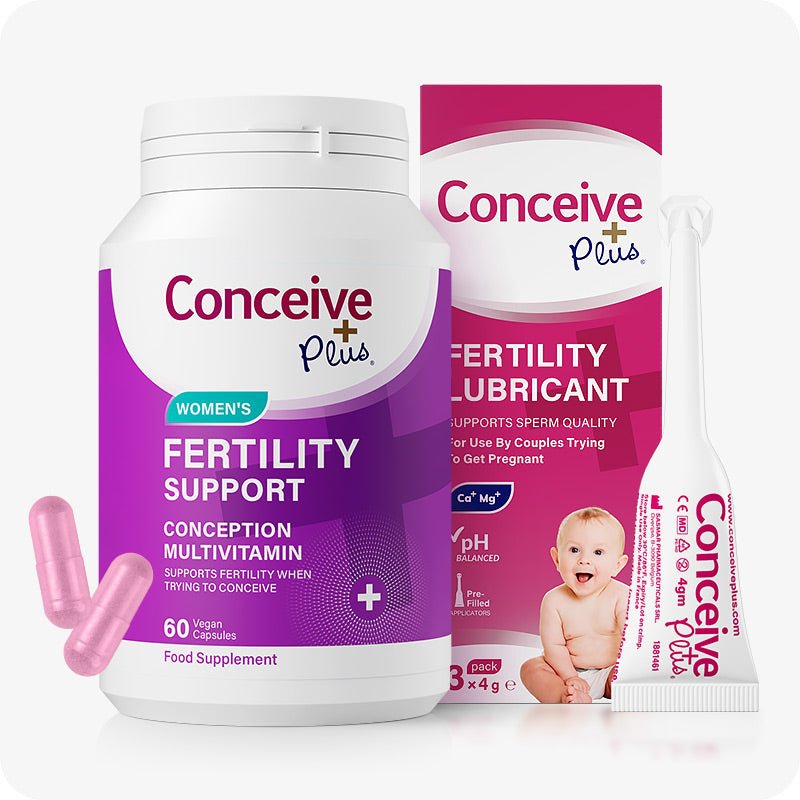
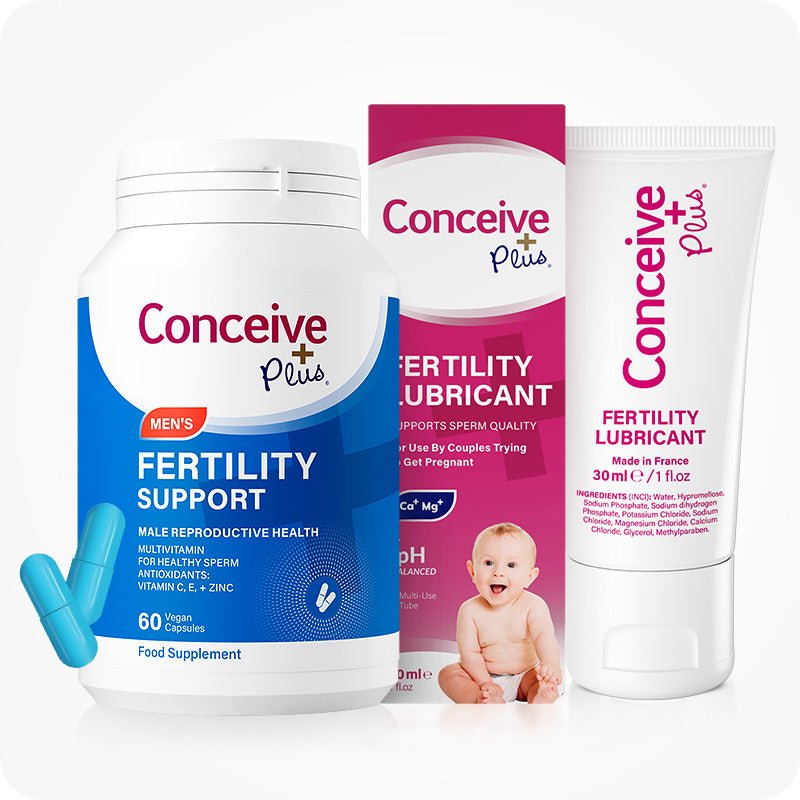
Sperm require a specific balance of electrolytes to maintain their energy and swimming ability. Traditional lubricants act as a physical and chemical barrier, but specialized formulas work with your body. For example, Conceive Plus Europe fertility lubricants are formulated with essential Calcium and Magnesium ions. These minerals are vital for the fertilization process, helping sperm stay viable as they travel toward the egg. Using a pH-balanced lubricant ensures that you aren't accidentally working against your body's natural efforts during your most fertile days.
When to Consult a Fertility Specialist
Knowing when to seek professional help is a key part of how to increase fertility in your 30s. The general rule is to try for 12 months if you're under 35. If you're 35 or older, that window shrinks to six months. This "Age 35 Rule" isn't a reason to panic; it's about giving you more time to explore options if a hurdle exists. If you decide to consult a specialist, ask for a comprehensive panel including an AMH test for egg reserve and a semen analysis for your partner.
It's helpful to know that as of January 1, 2026, 25 states and Washington D.C. have passed laws requiring some level of fertility insurance coverage, making these initial screenings more accessible than ever. Despite the focus on medical data, keep in mind that most women in their 30s still conceive naturally with a proactive approach. If you're looking for an easy first step in your journey, you can use an ovulation calculator to start pinpointing your window with confidence today.
Empowering Your Path to Parenthood
Conceiving in your 30s is a journey that benefits from a blend of science, timing, and biological optimization. You've now seen that by mastering multi-modal tracking and refining your nutritional intake, you can effectively navigate the gradual shifts in your reproductive window. By understanding how to increase fertility in your 30s through these proactive measures, you aren't just waiting for a positive test; you're actively preparing your body for a healthy pregnancy.
Every decision you make, from choosing sperm-friendly products to managing your metabolic health, contributes to a more receptive environment for conception. If you're ready to take the next step with professional support, Shop the Conceive Plus Europe Fertility Collection to Support Your Journey. Our products are FDA cleared, recommended by doctors, and specifically formulated for couples trying to conceive. Having helped millions of couples worldwide, we provide the targeted support your body needs during this vital stage.
Trust in your body and the proactive steps you've implemented. While the journey requires patience, the 2026 medical landscape offers more tools and insurance support than ever before. Stay focused on your goals, keep your stress levels low, and move forward with confidence.
Frequently Asked Questions
Is it really much harder to get pregnant after 35?
Conception often takes longer after 35, but it isn't an overnight drop in ability. While the monthly chance of natural pregnancy is about 15% for those in their late 30s, most women still conceive successfully within a year of trying. The challenge is usually related to a gradual decline in egg quality rather than a total loss of fertility. Staying proactive with timing and health can help overcome these age-related shifts.
Which supplements are best for egg quality in my 30s?
CoQ10, Myo-Inositol, and Methylfolate are the most effective supplements for supporting chromosomal health and cellular energy. These nutrients provide the mitochondria within the egg the "fuel" needed for proper division and fertilization. Incorporating these into your daily routine is a proven strategy for those learning how to increase fertility in your 30s. Always choose high-quality, bioavailable forms to ensure your body can actually use the nutrients.
How long should it take to conceive in your early 30s?
Most healthy couples aged 30 to 34 will conceive within 12 months of consistent, well-timed intercourse. Statistics show that roughly 80% of couples succeed within the first year, with many achieving pregnancy in the first six months. If you are under 35 and haven't conceived after a full year of regular trying, it's a good idea to schedule a baseline fertility assessment with your doctor.
Can lifestyle changes actually reverse age-related fertility decline?
Lifestyle changes won't create new eggs, but they can significantly improve the health of your remaining ovarian reserve. Reducing oxidative stress through a Mediterranean diet and avoiding endocrine disruptors like phthalates protects your eggs from premature aging. These shifts create a more receptive uterine environment and support better hormonal balance, which helps maximize your natural reproductive potential even as you age through your 30s.
What are the first signs of fertility issues in women over 30?
The most common early signs include irregular menstrual cycles, spotting between periods, or a luteal phase that lasts fewer than 10 days. These symptoms often point to low progesterone or ovulatory struggles. If you notice a significant change in your cervical mucus patterns or if your periods become unusually heavy, it's worth discussing with a specialist. These subtle clues can help you address underlying issues before they delay your journey.
Does stress really stop you from getting pregnant?
Stress doesn't usually cause permanent infertility, but chronic high cortisol can certainly disrupt your ovulation schedule. When your body stays in a constant "fight or flight" mode, it can delay the hormonal surge needed to release an egg. Managing your mental well-being is a core part of how to increase fertility in your 30s because it keeps your reproductive axis functioning smoothly and predictably each month.
How does male age affect fertility when the woman is in her 30s?
Male fertility begins a gradual decline after age 40, often resulting in lower sperm motility and increased DNA fragmentation. When both partners are in their 30s, the combined impact of slight age-related changes can make the time to conception longer. It's vital for men to focus on their health by maintaining a healthy weight and avoiding habits like smoking or excessive heat exposure to support the couple's overall success.
Should I use an ovulation calculator every month?
Using a calculator is a helpful way to predict your window, but it's most effective when combined with physical tracking. Since stress or illness can shift your ovulation date, a digital estimate might not always be 100% accurate. Pairing a calculator with LH test strips and monitoring your cervical mucus gives you the most reliable data. This multi-modal approach ensures you never miss the most critical days of your cycle.
Trusted by Couples in Over 70 Countries
Support Male Fertility From the Inside Out
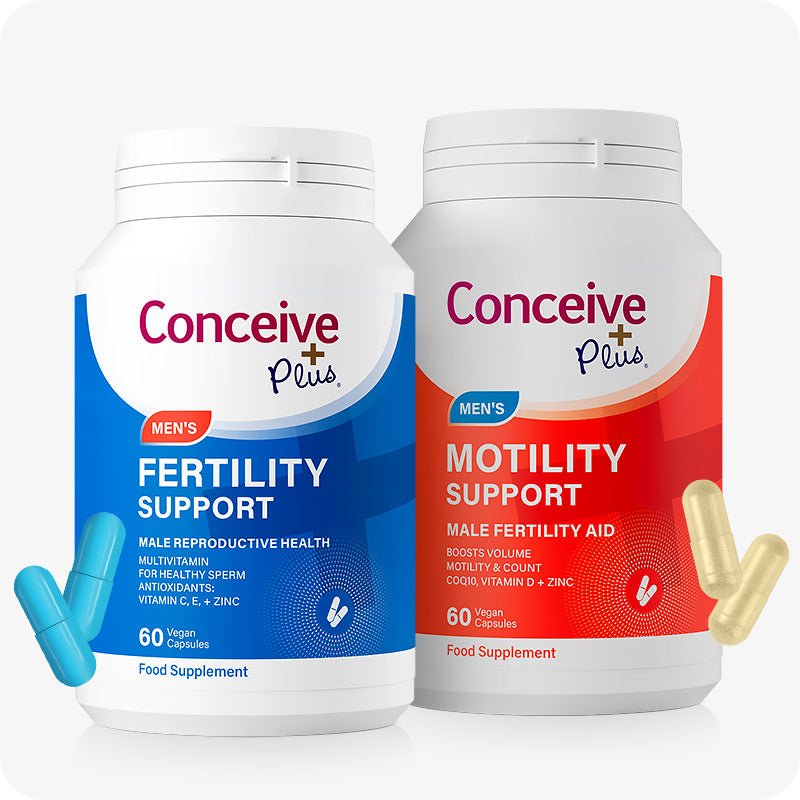
Male fertility is just as important as female fertility in the conception journey. Conceive Plus Men's range delivers targeted nutritional support to promote healthy sperm and overall reproductive wellbeing.
Shop Men's Range →