How to Get Pregnant Faster: A Science-Backed Guide for 2026


With the average cost of a single IVF cycle reaching $23,474 in 2026, more couples are searching for evidence-based ways to conceive naturally before moving to expensive clinical help. Learning how to get pregnant faster isn't about luck or generic advice; it's about achieving biological synchronization between your cycle and your body's readiness.
It's frustrating to face a negative test every month while feeling overwhelmed by conflicting internet forums. You're likely tired of the waiting game and want a clear path forward that respects your time and your health. We promise to provide exactly that by showing you how to optimize your fertility and track your body's unique signals with the most accurate tools available today.
This guide gives you a science-backed roadmap for the next three to six months. We'll cover the impact of the May 10, 2026, federal fertility benefit regulations, the rise of at-home hormone testing, and the specific lifestyle shifts that create the ideal environment for a healthy, rapid conception.
Key Takeaways
- Identify your specific six-day fertile window by understanding the biological lifespans of eggs and sperm to maximize every cycle.
- Master ovulation prediction using a two-step approach that combines historical cycle data with real-time physical signals like cervical mucus changes.
- Discover how to get pregnant faster by optimizing your internal environment, including maintaining a sperm-friendly pH and selecting fertility-safe lubricants.
- Apply the 90-day reset strategy for both partners to ensure peak egg and sperm quality during the critical maturation phase.
- Learn when to pivot your strategy and how to use targeted fertility systems to address nutritional gaps and accelerate your conception timeline.
The Science of Speed: Understanding Your Biological Clock
Speeding up conception starts with a fundamental shift in how you view your monthly cycle. Many people assume pregnancy can happen at any time, but the biological reality is much narrower. Your "fertile window" is a specific six-day period that ends on the day of ovulation. Understanding this window is the most critical step in learning how to get pregnant faster because it aligns your efforts with your body's natural rhythm.
The math of conception is dictated by two different biological lifespans. While healthy sperm can survive inside the female reproductive tract for up to five days, a released egg only lives for a brief 12 to 24 hours. This massive discrepancy is why timing is everything. By using Fertility Awareness Methods, you can distinguish between "high fertility" days, when sperm can survive and wait, and "peak fertility" days, which are the 48 hours immediately surrounding ovulation. Having sperm already present in the fallopian tubes when the egg arrives is the gold standard for success.
To better understand how these biological factors influence your timeline, watch this helpful video from fertility experts:
Why Timing is the #1 Factor in Getting Pregnant Fast
Even with perfect health and timing, the statistical probability of conception for a healthy couple is only about 20% to 25% per cycle. If you miss your six-day window by even 24 hours, that probability drops to zero for the entire month. This is why the "hit it to win it" strategy is so effective; you should aim for intercourse two to three days before you expect to ovulate. This ensures a robust "sperm bank" is available the moment the egg is released. If you aren't certain when your window begins, using an ovulation calculator can help you estimate your most fertile days based on your unique cycle history.
Common Myths About Conception Speed
Many couples waste time on strategies that have no scientific backing. For example, there's no need to hold your legs in the air after sex. Gravity doesn't play a role in how to get pregnant faster because sperm are chemically programmed to swim through the cervix almost instantly. Another common misconception is that daily sex "weakens" sperm. For most men, daily ejaculation actually maintains high-quality, motile sperm by preventing older cells from accumulating. Frequency matters much more than specific positions or elaborate post-coital rituals. Finally, while stress management is good for your overall health, the advice to "just relax" isn't a medical strategy. Focus your energy on biological synchronization and tracking your physical signals instead.
Mastering Your Fertile Window: How to Predict Ovulation
While understanding your biological clock is the foundation, mastering the practical side of tracking is what actually shortens your timeline. To figure out how to get pregnant faster, you must transition from guessing to precise prediction. This involves a multi-layered approach that combines historical data with real-time biological cues. By cross-referencing different signals, you create a high-accuracy fertility map that ensures no cycle is wasted.
Your first step is establishing a baseline by tracking your cycle length for at least three consecutive months. This helps you identify your average cycle, though you should remember that ovulation can still vary by a few days each month. Alongside this data, you can incorporate broader lifestyle tips for getting pregnant to ensure your body is primed for the signals you're about to track.
Reading Your Body's Secret Signals
Cervical mucus is your body's most reliable internal indicator of approaching ovulation. In the days following your period, you might feel "dry." As you enter your fertile window, the consistency becomes sticky or creamy. Your peak fertility is signaled by mucus that looks and feels like raw egg whites; slippery, clear, and stretchy. This specific texture protects sperm and helps it travel to the egg.
You can confirm that ovulation actually occurred by monitoring your Basal Body Temperature (BBT). This requires a sensitive basal thermometer and a strict routine. You must take your temperature immediately upon waking, before you move, speak, or even sit up. A slight, sustained rise in temperature indicates that progesterone has increased following the release of an egg. Some women also notice "mittelschmerz," a mild twinge or cramp on one side of the lower abdomen, which serves as a secondary physical sign that the window is open.
Using Modern Tools for Accuracy
While physical signs are invaluable, modern tools remove the guesswork. Utilizing an ovulation calculator simplifies the complex math of cycle averages and predicted windows. To get the most out of Ovulation Predictor Kits (OPKs), start testing about three days before your shortest recorded cycle's midpoint. These kits detect the Luteinizing Hormone (LH) surge, which typically happens 24 to 36 hours before the egg is released. Combining these digital insights with your physical observations provides the clearest picture of how to get pregnant faster this month. For those looking to optimize every aspect of their journey, supporting your reproductive health with specialized products can provide an extra layer of confidence.
Optimizing the Internal Environment for Sperm Survival

✨ Trying to Conceive?
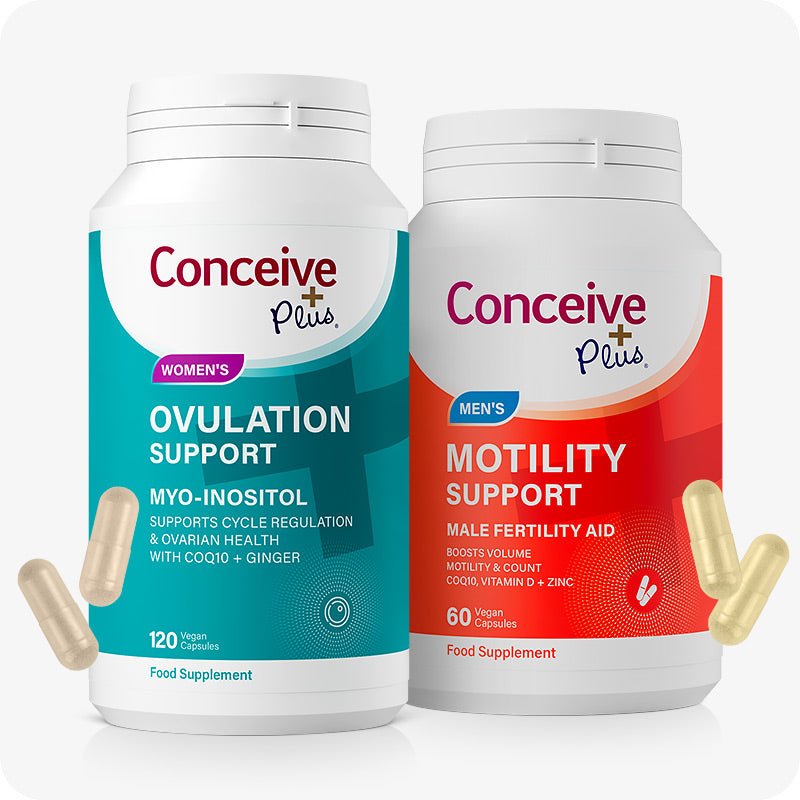
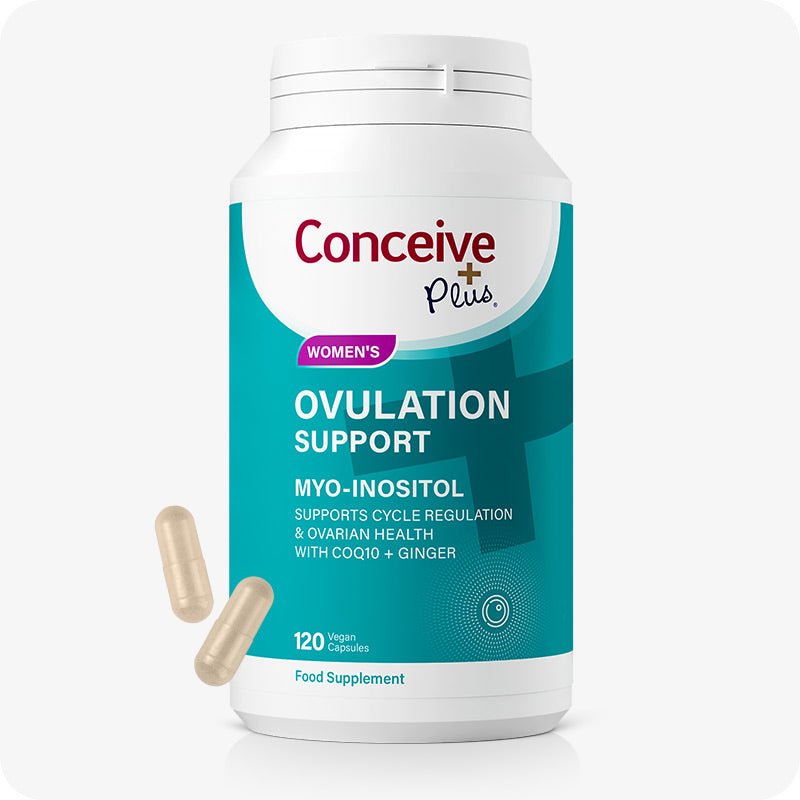
Our fertility supplements combine Myo-Inositol with essential vitamins to support healthy hormone balance and regular ovulation.
Shop Now — $44.98✓ Free shipping available | ✓ Trusted by millions of couples worldwide
Timing is only half the battle. While tracking your window is vital, the physical environment sperm encounter upon entry determines if they ever reach the egg. A major secret to how to get pregnant faster lies in the delicate chemistry of your reproductive tract. For conception to occur, the vaginal canal must transform from a protective, acidic barrier into a welcoming, alkaline pathway. If this transition doesn't happen effectively, even the best-timed efforts may fall short.
Cervical mucus plays the lead role in this transformation. During your most fertile days, this fluid becomes "fertile quality," meaning it is rich in nutrients and has a specific pH balance. This mucus doesn't just help sperm move; it actually filters out poorly performing sperm and provides a reservoir for the healthy ones to survive for several days. Without the right environment, sperm can lose their motility or die within minutes of contact with natural vaginal acidity.
The pH Factor: Why Your Vaginal Environment Matters
Most of the time, the vagina maintains an acidic pH between 3.8 and 4.5 to prevent infections. However, sperm require a much more alkaline environment, ideally between 7.0 and 8.5, to stay alive and active. During ovulation, your body naturally raises the pH to meet this need. If your system is slightly out of balance, you might produce "hostile" mucus that remains too acidic. You can support a healthy microbiome by avoiding douching and scented soaps, which often strip away the beneficial bacteria and disrupt the natural pH shift required for conception.
Choosing the Right Support Tools
Many couples unknowingly sabotage their progress by using standard lubricants. Most common household or drugstore lubes have a low pH and high salt concentrations. These factors can dehydrate sperm or act as a physical barrier that prevents them from swimming freely. To understand how to get pregnant faster, you must look for products labeled as "sperm-friendly" or "fertility-safe."
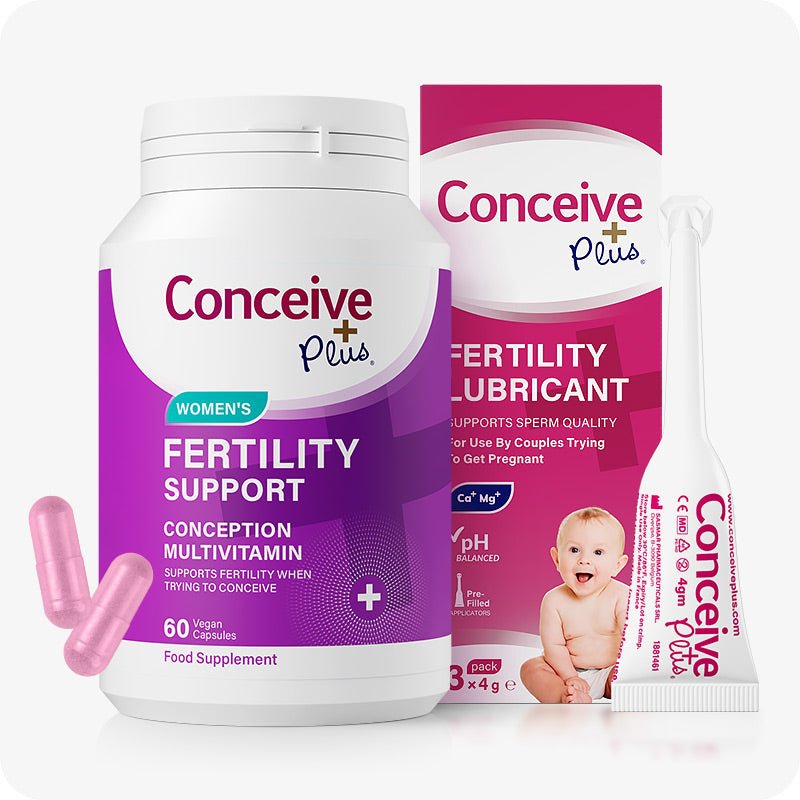
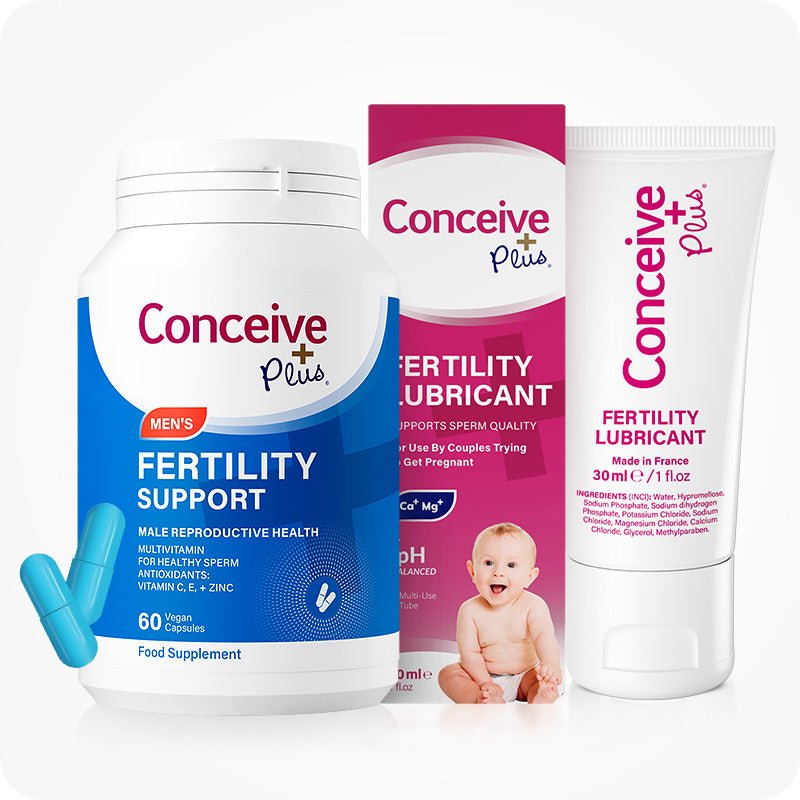
The best support tools are isotonic, meaning they match the natural salt balance of your body's cells. They should also contain essential ions like Calcium and Magnesium. These minerals are not just additives; they are crucial for the "hyperactivation" phase of sperm, giving them the burst of energy needed to penetrate the egg's outer layer. Beyond topical aids, remember that hydration is your best internal tool. Drinking plenty of water directly impacts the volume and quality of your cervical fluid. If you want to ensure you have all the right components in place, you might consider complete fertility support bundles that address both internal and external needs.
The 90-Day Fertility Reset: Preparing Both Partners
Many couples begin their journey by focusing only on the current month, but the biological reality of conception has a significant lag time. It takes approximately 90 days for an egg to mature before it's released and about 74 to 90 days for sperm to fully develop. This means your current lifestyle choices are actually preparing the "seeds" for a pregnancy attempt three months from now. If you want to know how to get pregnant faster, you must treat the three months prior to conception as a critical preparation phase.
Success isn't just about the person carrying the baby. The male factor accounts for nearly 50% of fertility challenges, yet it's often overlooked in the rush to track ovulation. Men should be equally committed to this 90-day window. During this time, foundational nutrients like Folic acid, Vitamin D, and various antioxidants work to protect cells from oxidative stress. Even your sleep patterns play a role; your circadian rhythm regulates the release of reproductive hormones like FSH and LH. Exposure to blue light late at night can disrupt melatonin production, which is a key antioxidant for egg quality.
Nutrition and Supplements for Egg and Sperm Quality
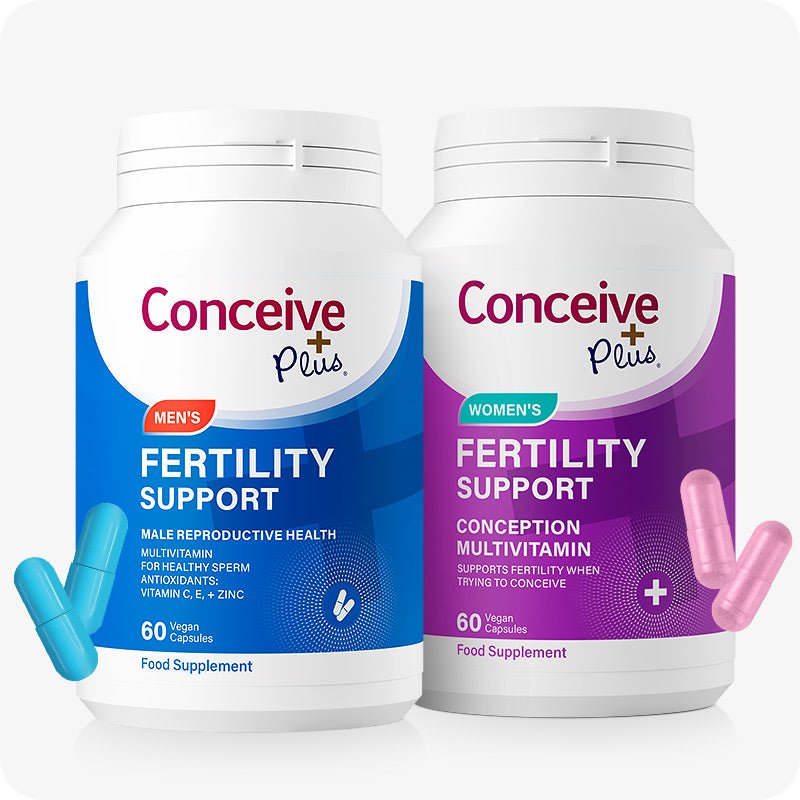
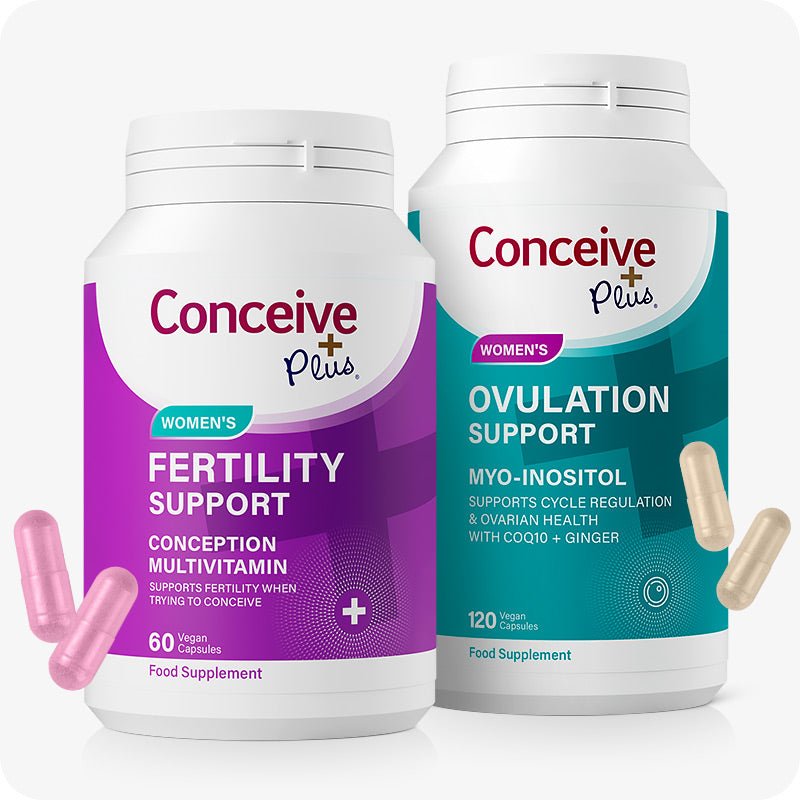
Specific nutrients act as the building blocks for reproductive health. For women, especially those managing PCOS, Myo-Inositol is a powerhouse for improving insulin sensitivity and egg quality. Men benefit significantly from Zinc and Selenium, which are essential for testosterone production and maintaining a high sperm count. You should start a high-quality prenatal vitamin at least three months before you begin trying. With the North American prenatal vitamin market valued at $251.23 million in 2026, there are more specialized options than ever to help you meet these nutritional needs.
Lifestyle Adjustments That Move the Needle
Small daily habits often dictate how to get pregnant faster over a long-term period. Caffeine is a prime example. While you don't need to quit entirely, staying under the 200mg daily limit (about one or two cups of coffee) is the safest bet for fertility. Men should also be wary of heat. Scrotal temperature is vital for sperm production, so avoiding laptops on laps, hot tubs, and tight-fitting underwear can prevent heat-induced damage to developing sperm. Finally, aim for the "Goldilocks" zone of exercise. While moderate activity boosts circulation and reduces stress, over-training can actually signal the body to shut down ovulation to conserve energy.
If you're ready to start your 90-day reset with professional-grade support, you can explore fertility-enhancing products designed to optimize both egg and sperm health.
Accelerating Your Journey with Targeted Fertility Support
Applying the science of timing and the 90-day nutritional reset creates a powerful synergy. However, even with the best tracking methods, the physical act of trying to conceive can sometimes feel clinical or stressful. Learning how to get pregnant faster involves merging these technical strategies with practical tools that support your body and your relationship. Success happens when you stop guessing and start providing your body with the specific resources it needs to thrive.
Consistency is your greatest ally. It's easy to be diligent in the first month and lose steam by the third. To maintain your momentum, keep the process as simple as possible. Focus on the big wins we've discussed: hitting the six-day fertile window, maintaining a sperm-friendly pH, and ensuring both partners stay on their supplement regimens. If you stay the course, you're not just waiting for a lucky break; you're actively building the foundation for a healthy pregnancy.
Integrated Solutions for Better Odds
Using a system of products designed to work together can remove much of the friction from your daily routine. Many couples find that fertility-friendly products, such as combined supplement and lubricant kits, ensure they never miss a critical nutrient or environmental factor. These bundles are specifically formulated to support both egg and sperm quality simultaneously. To make this long-term commitment more affordable, you can often find special offers on full systems that cover the entire 90-day maturation cycle. This integrated approach ensures that your internal chemistry and external support tools are always in sync.
When to Consult a Fertility Specialist
While natural strategies are effective for many, it's vital to know when to pivot your strategy. The standard medical advice is the "year and six months" rule. If you're under 35 and have been tracking your window correctly for 12 months without success, it's time for a check-up. If you're over 35, that timeline shrinks to six months. Don't wait if you notice red flags like highly irregular cycles or a history of pelvic inflammatory disease.
Proactive testing can save you months of frustration. At-home fertility kits, ranging from $99.99 to $169.99, offer a low-pressure way to check hormone levels before booking an appointment. When you're focused on how to get pregnant faster, understanding these baseline numbers helps you decide when to transition from home-based efforts to clinical support. Seeking help early ensures you have the most options available. As you move into your next fertile window, use this final checklist to stay on track:
- Verify your peak fertility days using your tracking data or an ovulation calculator.
- Switch to a sperm-friendly lubricant that contains Calcium and Magnesium ions.
- Ensure both partners have taken their daily fertility-specific vitamins.
- Keep the atmosphere relaxed; remember that your connection as a couple is the heart of this journey.
Your Next Steps Toward Parenthood
Success is built on the foundation of biological precision. By aligning your fertile window with the maturation cycle of both egg and sperm, you remove the guesswork that stalls many journeys. The internal environment matters just as much as the calendar. Maintaining a sperm-friendly pH and prioritizing key nutrients creates the supportive pathway your body needs for a healthy, rapid conception.
Discovering how to get pregnant faster is a proactive process that combines accurate tracking with targeted support. You don't have to navigate this path alone. Shop the complete Conceive Plus Europe fertility range to support your journey. Our solutions have been doctor recommended since 2008 and are used by millions of couples worldwide. Available in over 70 countries, these products are designed to help you reach your goals with confidence.
Every small adjustment you make today brings you one step closer to your future family. Trust the science, stay consistent with your routine, and keep your connection as a couple at the center of the process. You've got this.
Frequently Asked Questions
How many times a week should we have sex to get pregnant faster?
Aiming for intercourse every one to two days during your fertile window is a key strategy for how to get pregnant faster. While some worry that daily sex reduces sperm count, healthy men typically maintain enough motile sperm for successful conception. Having sex two to three times a week throughout your entire cycle also ensures you don't miss an unexpected ovulation day if your tracking is slightly off.
Can certain foods actually boost my fertility in 2026?
Following a Mediterranean-style diet rich in leafy greens, fatty fish, and whole grains is a proven way to support reproductive health in 2026. Foods high in antioxidants, like berries and walnuts, help protect eggs and sperm from oxidative damage. You should avoid trans fats and highly processed sugars. These substances can disrupt insulin levels and interfere with regular ovulation patterns, making it harder to time conception correctly.
Is it true that cough medicine helps you get pregnant?
There is no clinical evidence that guaifenesin, the active ingredient in many cough medicines, helps you conceive. The myth suggests it thins cervical mucus just as it thins lung mucus, but studies haven't confirmed this improves success rates. It's much safer and more effective to use a dedicated fertility lubricant. These products are specifically formulated to match your body's natural pH and support sperm motility without the side effects of medication.
How soon after stopping birth control can I conceive?
You can conceive as soon as your first cycle after stopping most forms of hormonal birth control. While some women experience a delay of a few months before their regular ovulation returns, others get pregnant within weeks. If you were using the Depo-Provera injection, it might take up to a year for your fertility to fully return to its baseline level. Most doctors suggest waiting for one natural period to help with dating the pregnancy.
Does stress really prevent you from getting pregnant?
Stress doesn't directly cause infertility, but high levels of cortisol can delay or even suppress ovulation for a cycle. Extreme physical or emotional strain can disrupt the communication between your brain and your ovaries. While "just relaxing" isn't a medical cure, managing your stress levels can help ensure your cycle remains predictable. This makes it much easier to track your fertile window and time intercourse accurately each month.
Are there any specific positions that help sperm reach the egg faster?
No scientific evidence suggests that certain positions help sperm reach the egg more quickly. Sperm are chemically programmed to swim through the cervix almost immediately after ejaculation, regardless of gravity. Instead of worrying about positions, focus on using a fertility-friendly lubricant. This supports sperm motility and ensures they aren't stopped by the wrong pH level in the vaginal canal during your most fertile days.
What are the first signs that I might be pregnant?
A missed period is the most reliable early indicator, but some women notice implantation bleeding or light spotting about 6 to 12 days after conception. Other early signs include breast tenderness, fatigue, and increased sensitivity to smells caused by rising progesterone levels. You might also experience frequent urination or mild cramping as the embryo begins to implant in the uterine lining. These symptoms often appear before a pregnancy test shows a positive result.
Should I start taking prenatal vitamins before I am pregnant?
Yes, you should start taking prenatal vitamins at least three months before you begin trying to conceive. This is a vital part of how to get pregnant faster and healthier, as it ensures your body has adequate folic acid levels to prevent neural tube defects. Starting early allows you to build up stores of Vitamin D and Iron, which support both your own health and the very early stages of fetal development.
🌱 Support Your Fertility Journey
Conceive Plus fertility supplements are clinically formulated to help regulate your cycle and support egg quality.
Shop Fertility Support →Trusted by Couples in Over 70 Countries
Support Male Fertility From the Inside Out
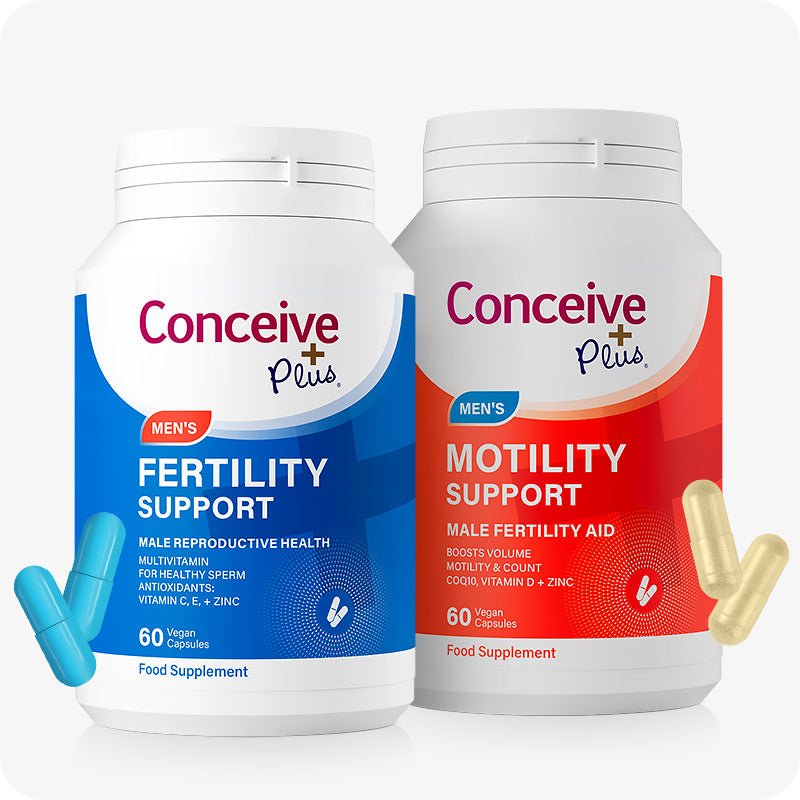
Male fertility is just as important as female fertility in the conception journey. Conceive Plus Men's range delivers targeted nutritional support to promote healthy sperm and overall reproductive wellbeing.
Shop Men's Range →