Fertility Diet: What to Eat (and Avoid) When Trying to Conceive


Fertility Diet: What to Eat (and Avoid) When Trying to Conceive
What you eat in the months before conception has a direct, measurable impact on your fertility. This is not wishful thinking — it's epigenetics, micronutrition, and cellular biology. A well-designed fertility diet improves egg quality, sperm function, hormone balance, and endometrial receptivity. And crucially, the same dietary patterns that support fertility also give your future baby the best start in life.
This guide draws on the best current evidence to tell you exactly what to eat to maximise your fertility — and what to minimise or avoid.
The Science Behind Diet and Fertility
The link between nutrition and reproduction is well-established. Multiple large prospective studies, including the Nurses' Health Study II following over 17,000 women, have identified specific dietary patterns associated with significantly higher rates of ovulatory fertility and successful conception.
Key mechanisms through which diet influences fertility:
- Antioxidant defence: Oxidative stress damages egg and sperm DNA. A diet rich in antioxidants (vitamin C, E, beta-carotene, polyphenols) reduces this damage.
- Insulin signalling: High-glycaemic diets increase insulin resistance, disrupting LH pulsatility and testosterone/oestrogen balance — impairing ovulation.
- Inflammation: Chronic dietary inflammation (from refined carbohydrates, trans fats, and processed meats) disrupts endometrial receptivity and implantation.
- Micronutrient adequacy: Deficiencies in zinc, folate, iron, vitamin D, and iodine directly impair gametogenesis and early embryonic development.
- Gut microbiome: Emerging evidence links gut microbiome composition (influenced heavily by diet) to hormone metabolism, endometrial health, and IVF outcomes.
The Mediterranean Diet: Best Evidence for Fertility
Ready to support your fertility journey?
Discover Conceive Plus — trusted by couples worldwide for evidence-based fertility support.
Shop Conceive Plus Now →The Mediterranean diet has the most robust scientific backing for fertility improvement of any dietary pattern. A 2018 study from Harvard found that women following a Mediterranean-style diet before IVF had a 65–68% higher chance of clinical pregnancy and live birth compared to those with the lowest adherence.
Core components of the Mediterranean fertility diet:
- Abundant vegetables and fruits: Especially leafy greens, tomatoes, berries, citrus, and colourful produce — high in folate, vitamin C, lycopene, and antioxidants
- Whole grains over refined: Oats, quinoa, brown rice, barley — lower glycaemic index supports insulin sensitivity
- Legumes: Lentils, chickpeas, beans — excellent plant protein source plus fibre, iron, and folate
- Olive oil as primary fat: Extra virgin olive oil provides oleocanthal (anti-inflammatory) and oleic acid supporting cellular membrane integrity
- Fatty fish 2–3 times weekly: Salmon, sardines, mackerel — rich in omega-3 fatty acids (EPA and DHA)
- Nuts and seeds: Walnuts (omega-3), Brazil nuts (selenium), pumpkin seeds (zinc), flaxseeds (lignans)
- Moderate dairy: Full-fat dairy (not low-fat) is specifically associated with better ovulatory function in research
- Herbs and spices: Turmeric, ginger, rosemary — potent anti-inflammatory and antioxidant phytochemicals
Best Fertility Superfoods for Women
Leafy Greens (Spinach, Kale, Rocket)
Rich in folate, iron, calcium, and vitamin K. Folate is critical for preventing neural tube defects and supporting cell division in early embryonic development. Leafy greens also contain lutein and zeaxanthin, which accumulate in follicular fluid and may support egg quality.
Eggs
One of nature's most complete fertility foods — rich in choline (critical for neural tube development), vitamin D, B12, and lutein. Choline is often overlooked in preconception nutrition, but deficiency is linked to neural tube defects and impaired placentation.
Berries (Blueberries, Raspberries, Strawberries)
Exceptionally high in vitamin C and polyphenols. Berries reduce follicular oxidative stress and support healthy corpus luteum function (essential for progesterone production after ovulation).
Avocado
Rich in monounsaturated fatty acids, vitamin E, potassium, and folate. Research from Harvard has linked higher avocado consumption (and other monounsaturated fat sources) with significantly better IVF embryo quality.
Full-Fat Dairy (Yoghurt, Milk, Cheese)
Counterintuitively, full-fat dairy is associated with better ovulatory fertility than low-fat versions. The Nurses' Health Study found women consuming full-fat dairy had a 25% lower risk of anovulatory infertility. Processing to remove fat also removes fat-soluble reproductive hormones — interestingly, full-fat retains small amounts of oestrogen, progesterone, and IGF-1 that may benefit follicular development.
Salmon and Oily Fish
Omega-3 fatty acids (EPA and DHA) reduce follicular inflammation, improve endometrial blood flow, support embryo cell membrane flexibility, and are essential for fetal brain development in early pregnancy. Aim for 2–3 portions per week of low-mercury fish (salmon, sardines, trout, mackerel).
Best Fertility Foods for Men
Male fertility is equally influenced by diet. Sperm quality — motility, morphology, DNA integrity — is significantly affected by antioxidant intake and inflammatory load:
- Tomatoes (lycopene): Lycopene is highly concentrated in the testes and protective against oxidative sperm damage. Studies show lycopene supplementation improves motility and morphology. Cooked tomatoes have higher bioavailable lycopene than raw.
- Walnuts: A 2012 randomised trial found men eating 75g of walnuts daily for 12 weeks showed significant improvements in sperm motility, morphology, and vitality compared to controls.
- Oysters: Extraordinarily high in zinc — a single serving can provide 10x the RDA. Zinc is essential for testosterone production and sperm DNA protection.
- Brazil nuts: Two Brazil nuts daily provide the full RDA of selenium, a key antioxidant in sperm flagella that protects against lipid peroxidation.
- Dark chocolate: Contains L-arginine (improves sperm count) and antioxidants. In moderation — not the whole bar.
- Pomegranate juice: Rich in punicalagins and ellagic acid. A small clinical trial found pomegranate juice improved sperm motility and testosterone levels.
Foods and Substances to Limit or Avoid
High-Mercury Fish
Shark, swordfish, king mackerel, tilefish, and bigeye tuna should be avoided or severely limited. Mercury accumulates in oocytes and is embryotoxic at low levels. Albacore (white) tuna should be limited to 140g per week.
Trans Fats and Ultra-Processed Foods
The Nurses' Health Study found that each 2% increase in trans fat intake (replacing other fats) was associated with a 73% higher risk of ovulatory infertility. Trans fats are found in industrially produced foods — baked goods, processed snacks, fast food. Check labels for "partially hydrogenated oils."
High-Glycaemic Carbohydrates
White bread, white rice, sugary cereals, and sweetened drinks spike insulin, increasing androgen production and disrupting LH pulsatility. This is particularly harmful in women with PCOS or borderline insulin resistance. Swap to wholegrain alternatives and limit added sugar to <25g per day.
Alcohol
No safe lower limit has been established for alcohol in preconception. Alcohol disrupts oestrogen metabolism, reduces luteal phase progesterone, impairs sperm DNA integrity, and in the first weeks of pregnancy (before you know you're pregnant) can affect neural development. The recommendation from most fertility specialists is complete abstinence during the TTC period.
Excessive Caffeine
Limit to 200mg per day (approximately 2 small coffees). Higher intake is associated with delayed conception and slightly higher miscarriage risk. Note: caffeine is also in tea, cola, energy drinks, and dark chocolate.
Soy in Very High Amounts
Soy contains phytoestrogens (isoflavones) that can weakly mimic oestrogen. Normal dietary amounts from tofu, edamame, or soy milk are not a concern and may actually benefit fertility. However, very high-dose soy supplements or very frequent consumption (multiple times daily) may potentially affect hormone balance in sensitive individuals.
Key Fertility Nutrients and Food Sources
Rather than just eating "healthy," target these specific nutrients known to directly support fertility:
- Folate (B9): Dark leafy greens, legumes, fortified cereals, eggs. Take as methylfolate supplement for optimal absorption.
- Zinc: Oysters, beef, pumpkin seeds, chickpeas. Critical for both egg and sperm quality.
- Vitamin D: Fatty fish, egg yolks, UV-exposed mushrooms. Most Europeans are deficient — test and supplement if needed.
- Iron: Red meat, lentils, spinach, tofu. Iron deficiency can impair ovulation. Take with vitamin C to improve absorption.
- Iodine: Seaweed, dairy, fish. Essential for thyroid function and early neural development. Often overlooked in preconception nutrition.
- Omega-3 (DHA/EPA): Oily fish, algae oil (vegan option), walnuts. Reduces follicular inflammation and supports endometrial receptivity.
- CoQ10: Primarily obtained from supplements (food sources are minimal). Essential for mitochondrial energy in eggs and sperm — declines with age.
- Selenium: Brazil nuts, tuna, sunflower seeds. Antioxidant protection for sperm and thyroid function.
Sample Fertility Diet Meal Plan
Breakfast: Porridge with mixed berries, flaxseeds, and a handful of walnuts + 2 scrambled eggs on whole grain toast
Lunch: Large salad with rocket, chickpeas, avocado, cherry tomatoes, pumpkin seeds, extra virgin olive oil and lemon dressing
Snack: Full-fat Greek yoghurt with a drizzle of honey and 2 Brazil nuts
Dinner: Baked salmon with roasted Mediterranean vegetables (courgette, peppers, tomatoes, garlic), served with quinoa
Evening: Small handful of mixed nuts, herbal tea (red raspberry leaf or peppermint)
Conceive Plus Supplements: Bridging the Gap
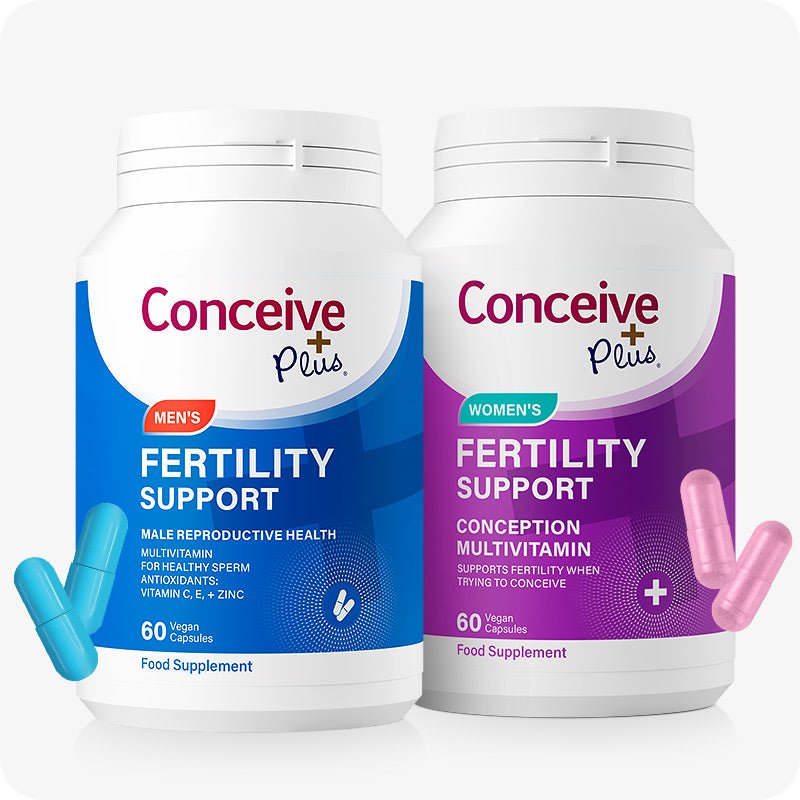
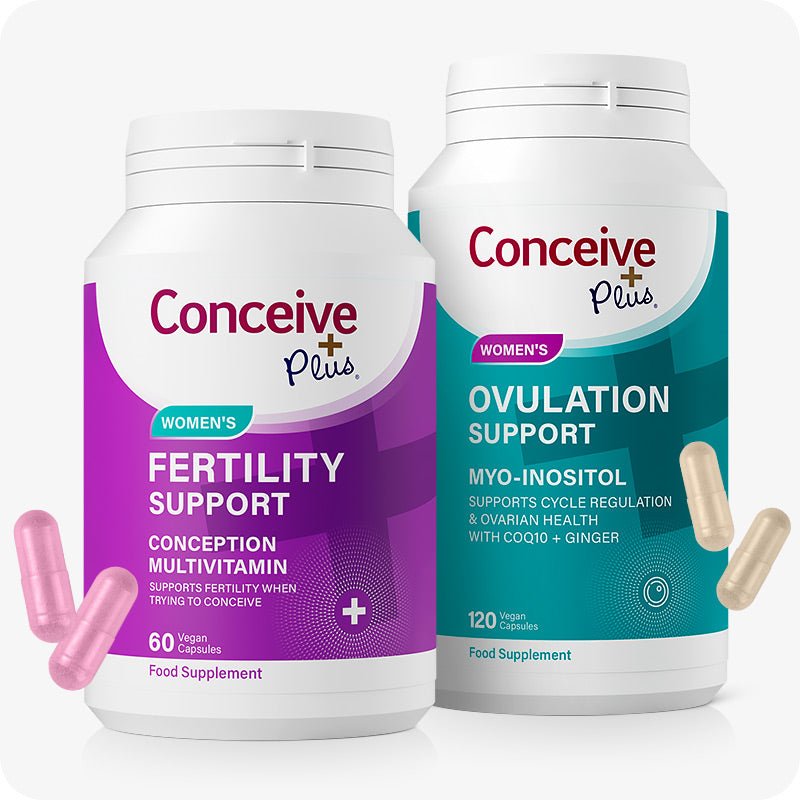
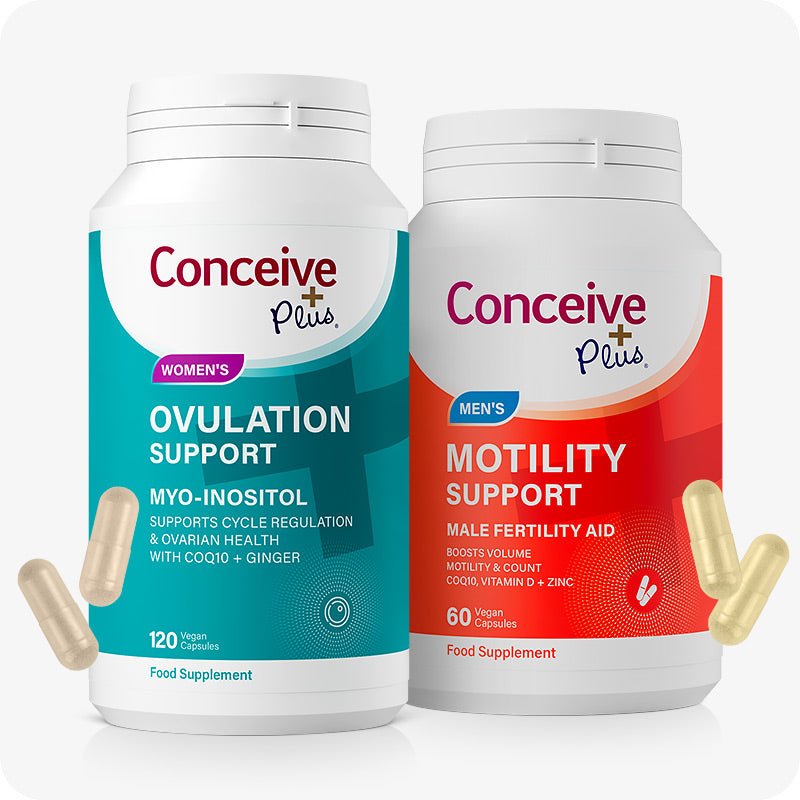
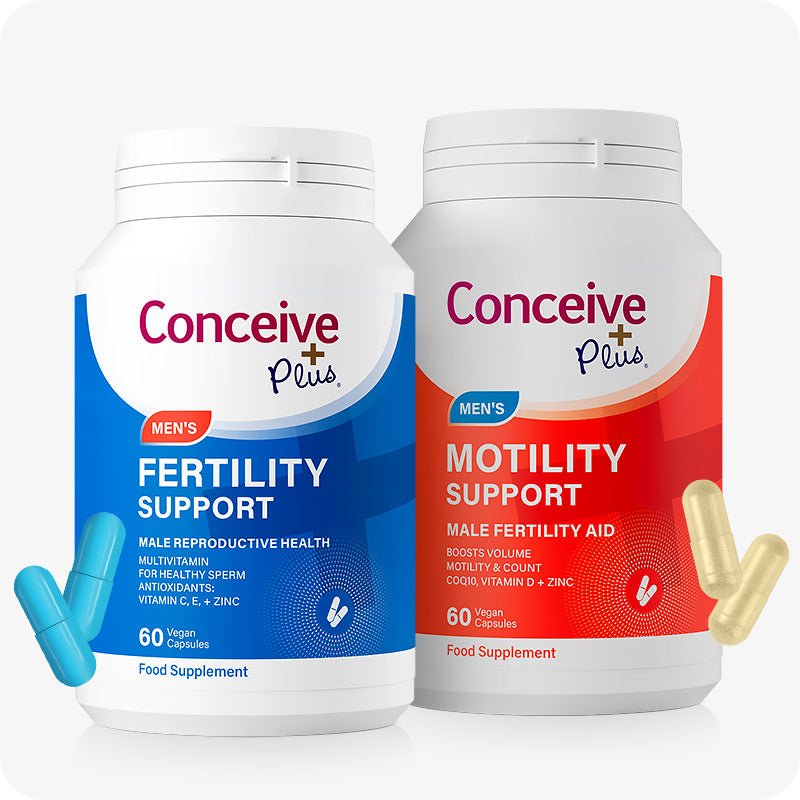
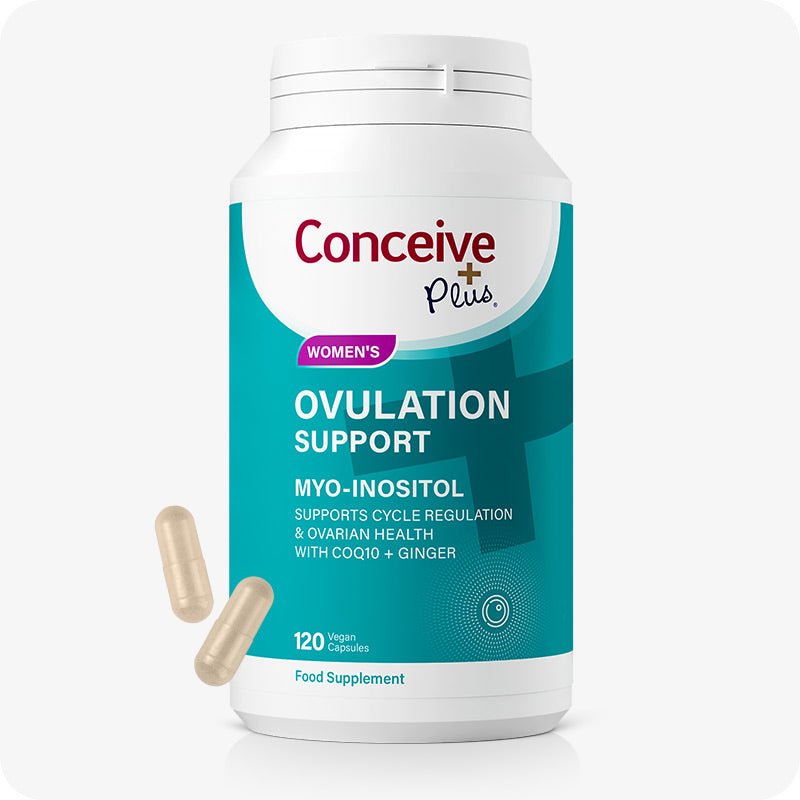
Even an excellent fertility diet may leave nutritional gaps — particularly for CoQ10, methylfolate, and vitamin D at therapeutic doses. Conceive Plus fertility supplements are designed to complement your dietary efforts with clinically informed doses of the most important fertility nutrients.
Explore Conceive Plus Fertility Supplements for Europe →
Frequently Asked Questions: Fertility Diet
How quickly does diet affect fertility?
Hormonal improvements can occur within 4–8 weeks. Egg and sperm quality changes take 3 months. Start dietary improvements as early as possible — ideally 3+ months before actively trying.
Is a vegetarian diet compatible with good fertility?
Yes, with attention to key nutrients. Vegetarians may need to supplement B12, zinc, iron, omega-3 (algae DHA), and iodine, as plant sources are often less bioavailable. A well-planned vegetarian diet can fully support fertility.
Should men follow a fertility diet too?
Absolutely. Male factor contributes to approximately 40–50% of fertility challenges. A diet high in antioxidants and omega-3s, and low in processed foods and alcohol, significantly improves sperm quality.
Can being vegetarian or vegan affect sperm quality?
Research is mixed. Some studies show lower sperm counts in strict vegans (possibly due to lower zinc and B12); others show no significant difference. The key is ensuring adequate intake of all key nutrients through diet and supplementation.
Is organic food important for fertility?
Some pesticide residues (organochlorines, phthalates) are endocrine disruptors that may impair fertility at high exposures. The benefit of organic is primarily for produce with high pesticide residue (the "dirty dozen"). Prioritise organic for thin-skinned produce; conventional for thick-skinned.
Can a fertility diet help with recurrent miscarriage?
Nutritional deficiencies — particularly vitamin D, folate, and CoQ10 — are associated with early pregnancy loss. Optimising these through diet and supplementation is a reasonable first step, though recurrent miscarriage requires full medical investigation.
How does body weight affect fertility?
Both underweight and overweight significantly impair fertility. Excess fat tissue converts androgens to oestrogen, disrupting the hypothalamic-pituitary-ovarian axis. Even a 5–10% reduction in body weight in overweight women can restore ovulation and dramatically improve conception rates.
Are there any supplements I should take regardless of diet?
Methylfolate (or folic acid), vitamin D, and omega-3 fatty acids are universally recommended for preconception regardless of dietary quality. CoQ10 is strongly advised for anyone over 35 or with known egg/sperm quality issues.
Ready to support your fertility journey?
Discover Conceive Plus — trusted by couples worldwide for evidence-based fertility support.
Shop Conceive Plus Now →