Fertility Diet: The Evidence-Based Eating Plan for Couples Trying to Conceive


Fertility Diet: The Evidence-Based Eating Plan for Couples Trying to Conceive
What you eat in the months before trying to conceive — and throughout your TTC journey — has a measurable impact on your reproductive health. A well-designed fertility diet can support egg quality, sperm health, hormonal balance, and uterine receptivity. Conversely, a diet high in processed foods, sugar, and certain fats is associated with reduced fertility in both men and women.
This guide presents the most current evidence on nutritional fertility factors — what to eat, what to limit, and how to build a sustainable fertility diet as a couple. We also cover how targeted supplementation with Conceive Plus can fill the nutritional gaps that even the best diet may leave.
The Science Behind Diet and Fertility
The connection between diet and fertility is well-established in the scientific literature. The Harvard Nurses' Health Study — one of the largest diet and fertility studies ever conducted — followed over 17,000 women and identified dietary patterns strongly associated with ovulatory infertility. Women following what researchers called a "fertility diet" — high in plant proteins, full-fat dairy, complex carbohydrates, and micronutrients — had significantly lower rates of ovulatory infertility.
The same dietary principles also apply to male fertility. Research published in Human Reproduction and Andrology consistently links Western dietary patterns (high in processed meats, refined carbs, and trans fats) with lower sperm concentration, motility, and morphology — the three core parameters of sperm quality.
The good news: unlike genetic factors, diet is modifiable. And changes in nutritional status can influence egg and sperm quality within 90 days — the maturation time for both eggs and sperm.
Fertility Diet Principle 1: Prioritise Plant Proteins
The Harvard fertility diet research found that replacing animal protein with plant protein was one of the most powerful dietary shifts for reducing ovulatory infertility risk. Women who got more of their protein from legumes, nuts, seeds, and plant sources had significantly lower rates of ovulatory dysfunction than those consuming high amounts of red and processed meat.
Best plant protein sources for a fertility diet:
- Lentils — protein + folate + iron
- Chickpeas and other legumes
- Edamame and tofu (moderate soy consumption is fine; excessive amounts may affect oestrogen)
- Quinoa — complete protein with all essential amino acids
- Nuts: walnuts, almonds, Brazil nuts
- Seeds: pumpkin seeds, chia seeds, hemp seeds
This does not mean eliminating animal protein entirely. Fish — particularly fatty, cold-water fish — is strongly associated with improved fertility outcomes. The specific concern is red and processed meat consumption at high levels.
Fertility Diet Principle 2: Choose Anti-Inflammatory Fats
Fat is not the enemy of fertility — the type of fat matters enormously. Omega-3 fatty acids (DHA and EPA) are strongly linked to egg quality, sperm motility, and reduced inflammation throughout the reproductive system. Trans fats, by contrast, are associated with increased ovulatory infertility risk and reduced sperm motility.
Anti-inflammatory fats to include in a fertility diet:
- Oily fish: Salmon, sardines, mackerel, anchovies — 2–3 portions weekly
- Extra virgin olive oil: Rich in oleic acid and antioxidants
- Avocado: Healthy monounsaturated fats plus folate
- Walnuts: Plant-based omega-3 (ALA) plus antioxidants
- Flaxseeds and chia seeds: Plant-based omega-3
Fats to minimise or eliminate:
- Trans fats (partially hydrogenated oils) — found in many processed, fried, and packaged foods
- Excessive saturated fat from processed meats
- Refined vegetable oils high in omega-6 (soya bean oil, corn oil) when consumed in excess
Fertility Diet Principle 3: Complex Carbohydrates Over Refined Carbs
Blood sugar and insulin regulation are closely tied to ovulatory function and hormonal balance. High glycaemic index (GI) foods — white bread, white rice, sugary drinks, sweets — cause rapid blood sugar spikes and elevated insulin, which can impair ovulation by disrupting LH and FSH signalling.
The Harvard study found that women consuming higher amounts of slowly digested carbohydrates (low GI foods) had lower rates of ovulatory infertility. This effect was particularly pronounced in overweight women.
Complex carbohydrates to emphasise in a fertility diet:
- Whole grains: oats, barley, brown rice, quinoa, farro
- Legumes: beans, lentils, chickpeas
- Root vegetables: sweet potato, parsnip, squash
- Berries: low-GI, high in antioxidants
Refined carbohydrates to reduce:
- White bread and white pasta
- Sugary cereals and snacks
- Sweetened drinks (including fruit juices)
- Alcohol (which also directly impairs fertility in both sexes)
Fertility Diet Principle 4: Key Micronutrients
Several specific micronutrients are especially critical for a fertility diet:
Folate / Methylfolate
Essential for DNA synthesis, cell division, and neural tube development. Found in dark leafy greens, legumes, and avocado. Supplementation is essential as dietary intake rarely meets pregnancy requirements.
Iron
Iron deficiency is linked to ovulatory infertility. Non-haem iron from plant sources (lentils, spinach, pumpkin seeds) is associated with better fertility outcomes than haem iron from red meat. Pair with vitamin C for absorption.
Vitamin D
Receptors for vitamin D are present in ovarian follicles, the uterus, and sperm. Deficiency is widespread in Europe and associated with reduced fertility and implantation rates. Sun exposure is the primary source; supplementation is frequently needed, especially in winter months.
Zinc
Critical for sperm production, testosterone synthesis, and egg maturation. Found in oysters, pumpkin seeds, red meat, and legumes. Male fertility depends heavily on adequate zinc.
Selenium
Supports sperm motility and protects sperm DNA from oxidative damage. Brazil nuts are the richest source (1–2 per day provides adequate intake). Also found in fish, eggs, and whole grains.
CoQ10
Supports mitochondrial energy production in both eggs and sperm. Particularly important for women over 35, as CoQ10 levels decline with age and egg quality depends on mitochondrial function. Food sources (meat, fish, nuts) are insufficient for therapeutic doses; supplementation is typically required.
Iodine
Essential for thyroid function, which regulates the entire reproductive hormone cascade. Thyroid dysfunction is a common and underdiagnosed cause of fertility problems. Found in seafood, dairy, and iodised salt.
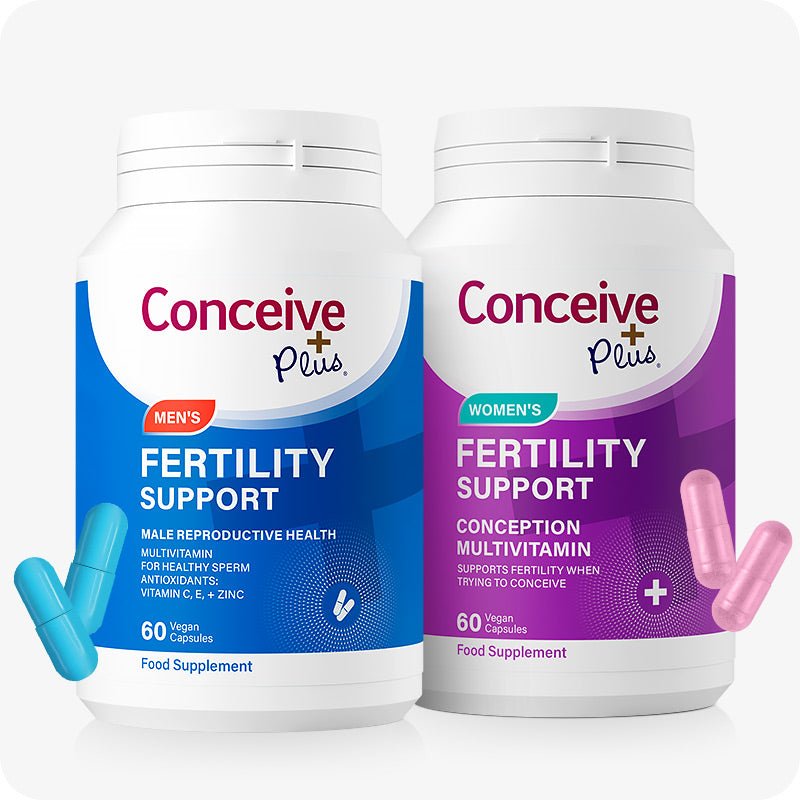
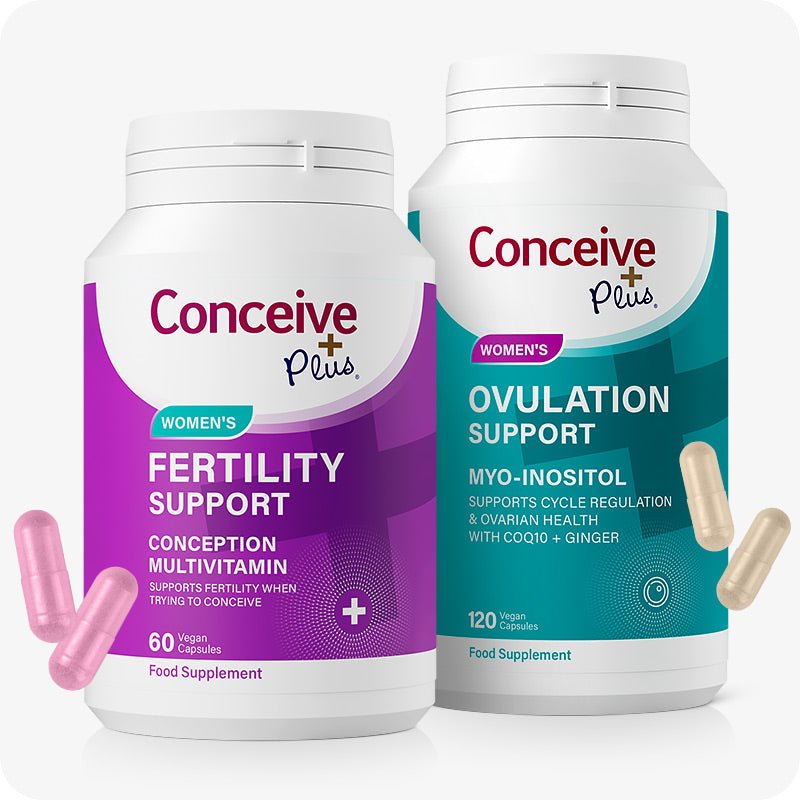
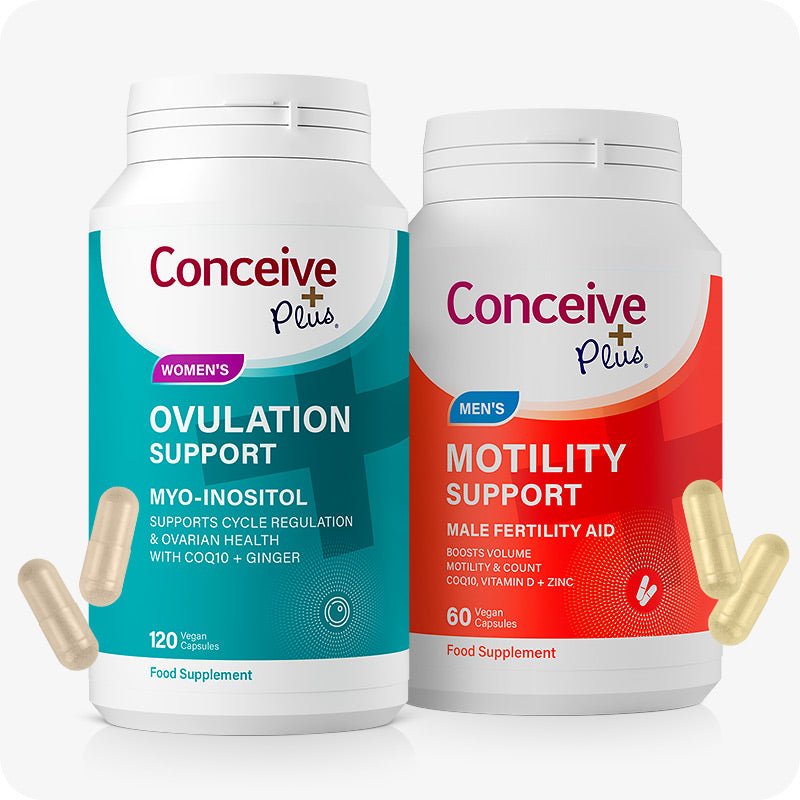
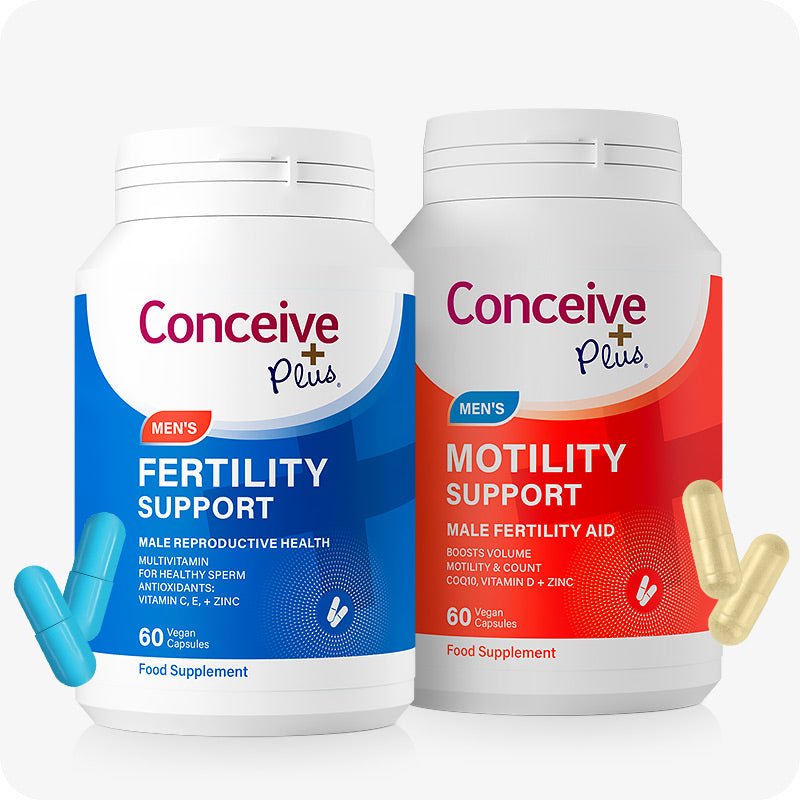
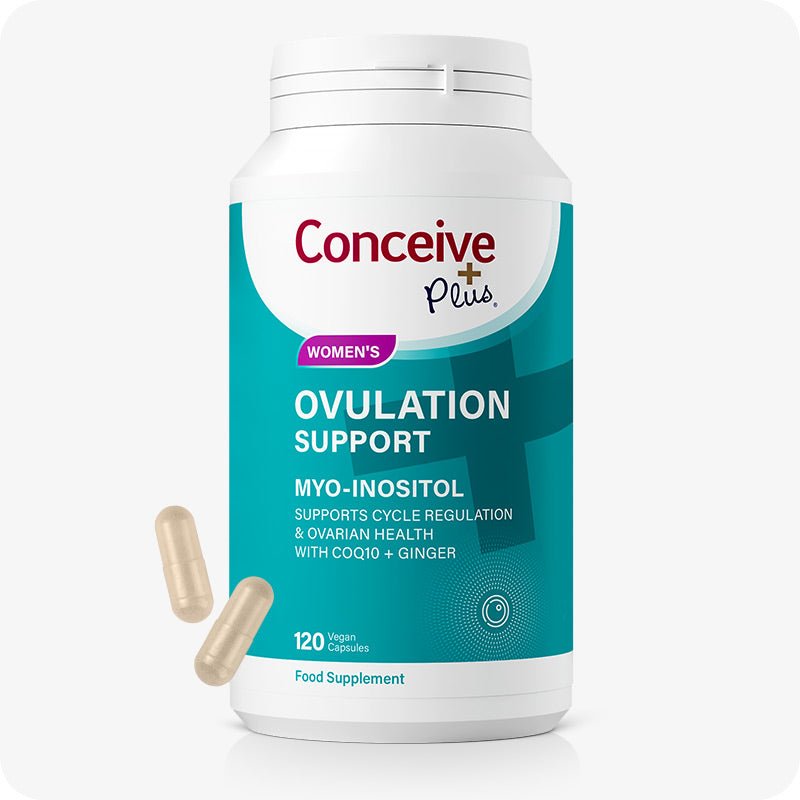
Conceive Plus fertility supplements are formulated with the key micronutrients that support both male and female reproductive health.
Shop Conceive Plus EU Supplements →
Foods to Limit or Avoid on a Fertility Diet
A fertility diet is as much about what to remove as what to add:
- Alcohol: Even moderate consumption affects hormone levels, sperm quality, and egg development. Abstinence or significant reduction is recommended during active TTC.
- Processed meats: Linked to reduced sperm quality and elevated trans fats. Limit sausages, hot dogs, deli meats.
- High-mercury fish: Shark, swordfish, marlin, tilefish — mercury accumulates in reproductive tissues and can impair fertility and fetal development. Stick to low-mercury options (salmon, sardines, cod, trout).
- Excess caffeine: Some research links high caffeine intake (>200 mg/day) with longer time to conception. One to two cups of coffee per day is generally considered safe.
- Ultra-processed foods: High in trans fats, additives, and refined carbohydrates; associated with worse reproductive outcomes in multiple studies.
- Pesticide-heavy produce: Some pesticides are endocrine disruptors. The "Dirty Dozen" list (strawberries, spinach, kale, etc.) is worth considering for organic choices when budget allows.
The Mediterranean Diet as a Fertility Template
The Mediterranean dietary pattern — high in vegetables, fruits, whole grains, legumes, olive oil, and fish, with moderate poultry and dairy — aligns almost perfectly with fertility diet principles. Multiple studies have linked Mediterranean diet adherence with better IVF outcomes, improved egg quality, and higher pregnancy rates.
A 2021 study in Nutrients found that women undergoing IVF who followed a Mediterranean diet had significantly higher live birth rates than those with lower adherence. The same dietary pattern was associated with better sperm parameters in male partners.
The Mediterranean diet is not restrictive or extreme — it is a sustainable, enjoyable way to eat that also happens to be optimal for fertility.
Fertility Diet for Men: Don't Forget the Other Half
Male fertility is involved in approximately 50% of couple infertility cases, yet dietary advice is often directed exclusively at women. A fertility diet approach should be a couple's project.
Key dietary factors for male fertility:
- Antioxidants: Vitamin C, vitamin E, and selenium protect sperm DNA from oxidative damage
- Zinc: Essential for testosterone and sperm production
- Lycopene: Found in tomatoes; associated with improved sperm morphology
- Omega-3: Associated with higher sperm motility and concentration
- Folate: Involved in sperm DNA integrity
- Avoid: Excessive alcohol, recreational drugs, anabolic steroids, and high-heat exposure (saunas, hot tubs) which all reduce sperm quality
Fertility Diet FAQ
How long does it take for a fertility diet to improve egg or sperm quality?
Sperm take approximately 72–90 days to mature, so dietary improvements in men will show up in sperm parameters after about three months. Egg quality follows a similar timeline — the follicle that ovulates in a given cycle has been developing for about 90 days. Starting a fertility diet at least 3 months before TTC is ideal.
Should I take supplements if I'm eating a fertility diet?
Yes. Even the best diet rarely provides optimal amounts of all fertility-critical nutrients — particularly folate, vitamin D, CoQ10, and omega-3. Supplements fill these gaps. Conceive Plus fertility supplements are formulated to complement a healthy diet.
Is organic food necessary for a fertility diet?
Not strictly necessary, but reducing pesticide exposure is a sensible precaution. Focus on organic for the highest-pesticide produce (the Dirty Dozen) and don't stress about everything. Washing produce thoroughly also reduces pesticide residue significantly.
Can a fertility diet help with PCOS?
Absolutely. For women with PCOS, the most evidence-supported dietary approach focuses on blood sugar regulation: low-GI carbohydrates, adequate protein and fibre, and anti-inflammatory fats. This dietary approach can improve insulin sensitivity, reduce androgen levels, and restore more regular ovulation in many PCOS patients.
Is dairy good or bad for fertility?
The Harvard data suggested that full-fat dairy (whole milk, yoghurt, cheese) was associated with lower ovulatory infertility risk compared with low-fat dairy. The proposed mechanism involves fat-soluble hormones and factors present in full-fat dairy. This doesn't mean unlimited dairy — but it does challenge the assumption that low-fat is better for fertility.
What about intermittent fasting and fertility?
Intermittent fasting (IF) may be beneficial for weight management and insulin sensitivity in overweight women with PCOS. However, extreme caloric restriction or extended fasting periods can suppress the hypothalamic-pituitary axis and disrupt ovulation. If you're at a healthy weight and TTC, standard IF with adequate nutrient intake is likely fine; discuss with your healthcare provider.
Should I avoid caffeine completely when trying to conceive?
The evidence suggests moderation rather than elimination. Up to 200 mg caffeine per day (about 1–2 cups of coffee) is generally considered safe during TTC and early pregnancy. Higher intakes are associated with longer time to conception in some studies.
Can diet affect implantation success?
Yes. Uterine receptivity and endometrial health are influenced by nutritional status. Anti-inflammatory diets, adequate vitamin D, and iron sufficiency are all linked to better endometrial conditions. Omega-3 fatty acids are specifically associated with improved endometrial thickness and receptivity in some studies.
How important is hydration for fertility?
Adequate hydration is important for cervical mucus production, blood viscosity, and overall cellular function. Aim for 8–10 glasses of water daily. Dehydration can reduce CM quantity and quality — a factor relevant to sperm transit.
Can my partner's diet affect our chances of conceiving even if his semen analysis is normal?
Yes. Standard semen analysis (count, motility, morphology) does not assess sperm DNA integrity. Diet influences sperm DNA quality through oxidative stress — even a "normal" semen analysis can coexist with elevated sperm DNA fragmentation that impairs fertilisation. An anti-inflammatory, antioxidant-rich diet improves sperm DNA quality regardless of initial parameters.
Building Your Fertility Diet: A Simple Starting Framework
You do not need a perfect diet — you need a consistently good one. Here is a simple framework to follow:
- Half your plate: Colourful vegetables (spinach, broccoli, bell peppers, tomatoes, beets) and fruits
- Quarter of your plate: Whole grains or legumes (quinoa, oats, lentils, brown rice)
- Quarter of your plate: Protein — fish 2–3 times/week, eggs, plant proteins, some poultry
- Fat source: Olive oil as primary cooking fat, avocado, nuts, fatty fish
- Dairy: Full-fat yoghurt or cheese, 1–2 servings daily if tolerated
- Supplements: Methylfolate-based prenatal, vitamin D, omega-3, CoQ10 (ask your doctor about dosing)
Pair this dietary foundation with Conceive Plus supplements to ensure you are covering all nutritional bases — because a comprehensive fertility diet includes both what you eat and what you supplement strategically.
Conceive Plus supplements are designed to complement your diet with clinically validated fertility nutrients for both partners.
Explore Conceive Plus Supplements in Europe →